What Do Bearded Dragons Eat: Complete Guide
Bearded dragons are omnivores, meaning they thrive on a varied diet of both animal protein and plant matter. Getting that balance right is one of the most important things you can do as an owner.
Their nutritional needs also shift significantly as they grow. What works for a hatchling can be very different from what an adult dragon requires each day.
Protein Sources: Insects and Live Feeders
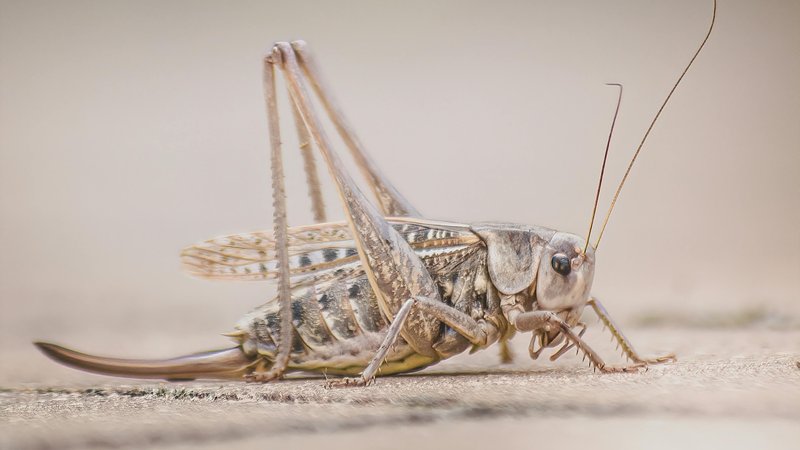
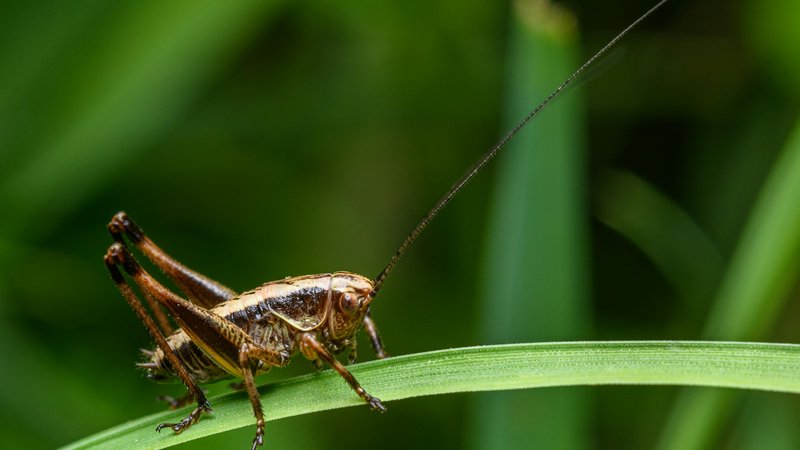
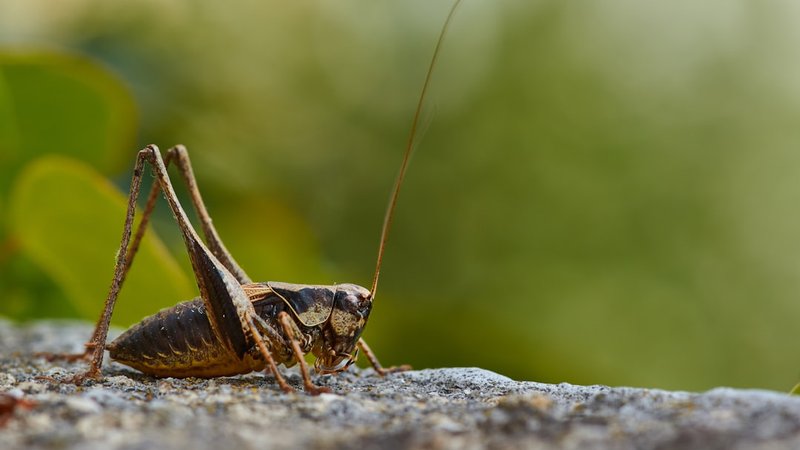
Insects form the backbone of a bearded dragon’s protein intake. Crickets, dubia roaches, and black soldier fly larvae are among the most popular and nutritious options available.
Live feeders should always be appropriately sized — no larger than the space between your dragon’s eyes. Oversized prey can cause choking or even impaction.
Mealworms and superworms can be offered occasionally but should not be staples. Their high fat content makes them more of a treat than a dietary foundation.
Vegetables and Leafy Greens for Optimal Nutrition
Leafy greens should make up the majority of the plant portion of your dragon’s diet. Collard greens, mustard greens, and dandelion greens are all excellent everyday choices.
Squash, bell peppers, and shredded carrots are good vegetable additions that provide variety and hydration. Rotating options keeps meals interesting and nutritionally diverse.
Fruits like blueberries or mango can be offered sparingly as treats. Their sugar content means they should never make up a significant portion of the diet.
Age-Based Feeding Schedules and Diet Ratios
Juvenile bearded dragons need roughly 70% protein and 30% plant matter to fuel their rapid growth. Adults flip that ratio, requiring about 70% vegetables and 30% protein.
Juveniles should be fed insects two to three times daily, with greens always available. Adults do well with one insect feeding every other day alongside a daily salad.
The NC State Veterinary Hospital at NC State’s College of Veterinary Medicine provides detailed feeding guidance that aligns with these age-based ratios for long-term health.
Essential Supplements and Calcium Requirements
Calcium supplementation is non-negotiable for bearded dragons. Without it, they risk developing metabolic bone disease, a painful and potentially fatal condition.
Dust feeder insects with calcium powder at most feedings and use a multivitamin supplement a few times per week. Always choose a calcium supplement without added vitamin D3 if your dragon gets proper UVB lighting.
Foods to Avoid and Digestive Health
Several common foods are toxic or harmful to bearded dragons. Avocado, rhubarb, onions, and fireflies should never be offered under any circumstances.
Spinach and beet greens contain oxalates that bind to calcium and can cause deficiencies over time. Iceberg lettuce offers almost no nutrition and can cause loose stools.
If you’re curious about how nutrition affects other pets too, our guide on lamb liver for dogs explores similar principles of balanced feeding.
Budget-Friendly Feeding Strategies and Cost Management
Feeding a bearded dragon does not have to break the bank with some smart planning. Buying feeder insects in bulk from reputable online suppliers is almost always cheaper than purchasing them from a pet store.
Growing your own feeder colony of dubia roaches is another cost-saving strategy that many experienced owners swear by. It requires an upfront investment but pays off quickly.
According to Dragons Diet’s cost breakdown, owners can expect to spend around $108 per month on bearded dragon care overall, which adds up to over $1,000 annually.
Sourcing leafy greens from your own garden or buying in season at farmers markets can meaningfully reduce that monthly figure. Fresh greens are often far cheaper than pre-packaged reptile salad mixes.
If you’re also thinking about traveling with your dragon, it’s worth reading about flying with a bearded dragon and what the current rules require. Planning ahead makes exotic pet ownership far more manageable on every level.
Proper nutrition is ultimately the foundation of a long, healthy life for your bearded dragon. Investing time into understanding their dietary needs pays dividends in their energy, color, and overall wellbeing for years to come.