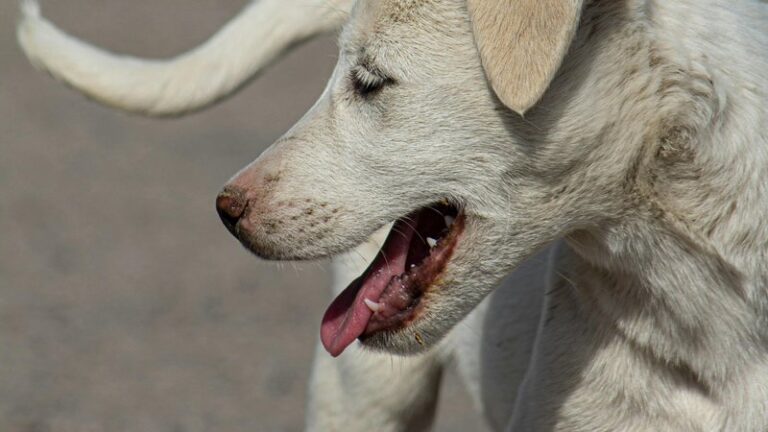

20 Dog Breeds That Don’t Bark Much: Top Quiet Picks for Your Home
Living with a loud dog can be exhausting — for you, your neighbors, and even your pet. If peace and quiet matter to you, choosing the right breed from the start makes all the difference.
Not all dogs communicate through constant barking. Some breeds are naturally calm, reserved, or simply wired to stay quiet. Quiet dog breeds exist across every size category, from tiny lap dogs to giant gentle giants.
Whether you live in an apartment, have close neighbors, or just prefer a calmer household, this list covers the best options available. Here are 20 dog breeds that don’t bark much — and what makes each one special.
1. Basenji
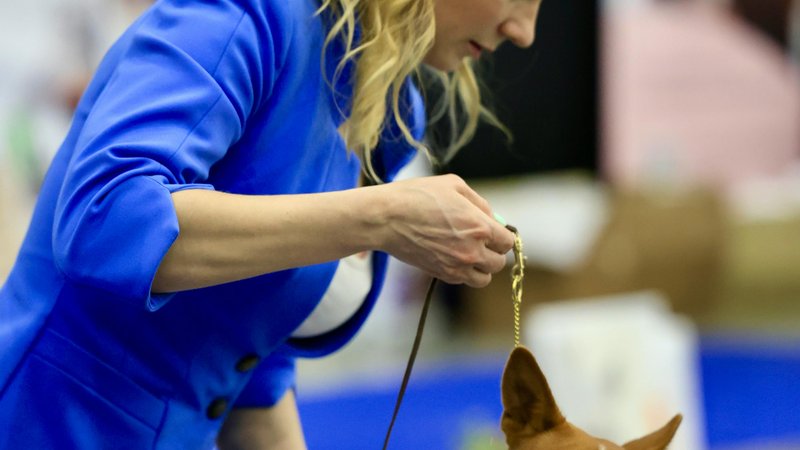
The Basenji is famously known as the “barkless dog.” Instead of barking, it produces a unique yodel-like sound called a “barroo.” It is one of the oldest domesticated dog breeds in the world.
- Key Specs: Small to medium size, 22–24 lbs, short coat, high energy
- Pros: Truly bark-free, clean and odorless, highly intelligent
- Cons: Stubborn, difficult to train, strong prey drive
2. Cavalier King Charles Spaniel
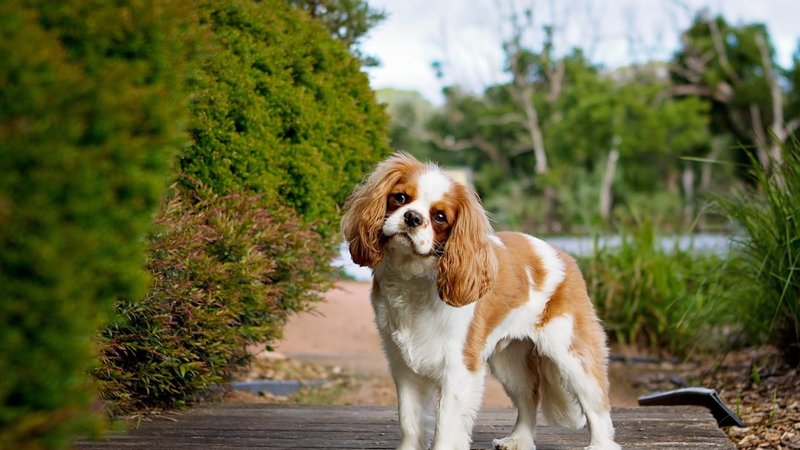
According to WagWalking, Cavalier King Charles Spaniels are placid and quiet dogs that love playing with humans but are not aggressive with strangers. Any random barking is easily curbed with training.
- Key Specs: Small, 12–18 lbs, silky coat, moderate energy
- Pros: Gentle, affectionate, great with children and other dogs
- Cons: Prone to heart conditions, needs regular grooming
3. French Bulldog

French Bulldogs are easygoing and rarely bark without good reason. They communicate more through expressive faces and the occasional snort than through noise. They’re a top choice for apartment dwellers.
- Key Specs: Small, 20–28 lbs, short coat, low to moderate energy
- Pros: Quiet, adaptable, affectionate, great for small spaces
- Cons: Brachycephalic health issues, can be expensive to own
4. Bernese Mountain Dog
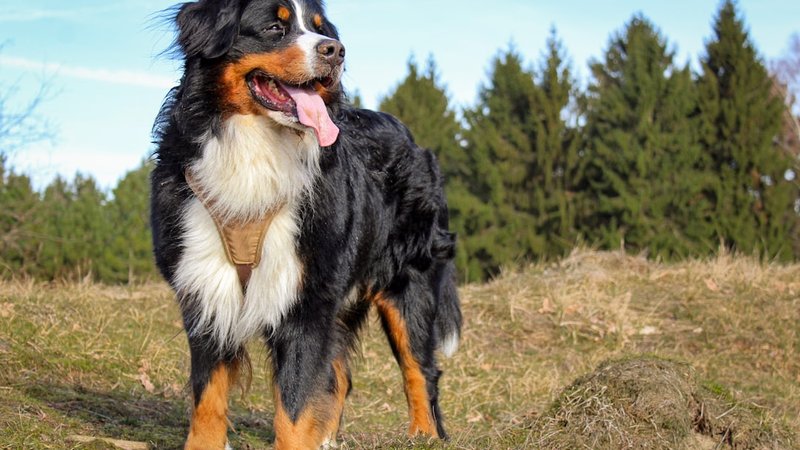
The Bernese Mountain Dog is a calm, good-natured giant that rarely barks unnecessarily. They are known for their gentle temperament and strong loyalty to their families.
- Key Specs: Large, 70–115 lbs, thick double coat, moderate energy
- Pros: Calm, loyal, excellent with children
- Cons: Heavy shedding, shorter lifespan, needs space
5. Shiba Inu

Shiba Inus are quiet and reserved by nature, though they can let out a dramatic “Shiba scream” when upset. Day to day, however, they tend to be surprisingly low-noise dogs.
- Key Specs: Small to medium, 17–23 lbs, double coat, moderate to high energy
- Pros: Clean, independent, minimal barking in normal settings
- Cons: Stubborn, can be aloof, strong prey drive
6. Greyhound

Greyhounds are gentle, quiet, and surprisingly lazy indoors. Despite their racing reputation, they are calm couch companions who rarely feel the need to bark. Check out Daily Paws for more on their low-key lifestyle.
- Key Specs: Large, 60–70 lbs, short coat, low indoor energy
- Pros: Quiet, gentle, low grooming needs
- Cons: Needs secure fencing, sensitive to cold weather
7. Afghan Hound
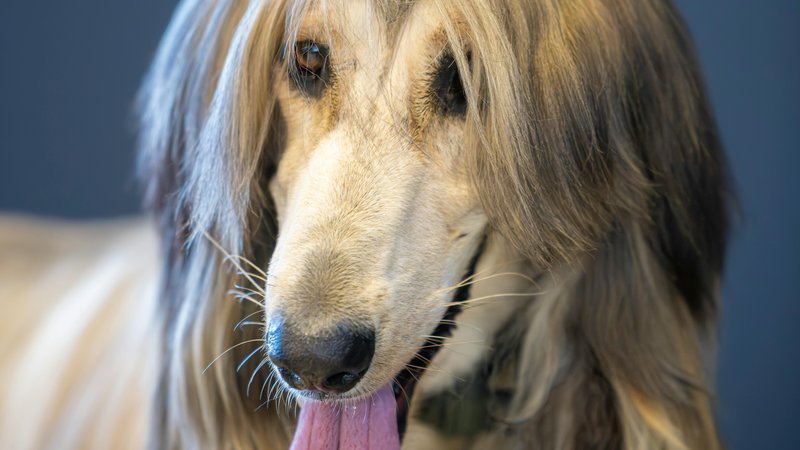
Afghan Hounds are elegant, aloof, and notably quiet. Their independent nature means they don’t react loudly to every stimulus. They are one of the oldest sighthound breeds in existence.
- Key Specs: Large, 50–60 lbs, long silky coat, moderate energy
- Pros: Quiet, regal, low tendency to bark
- Cons: High grooming demands, independent and hard to train
8. Akita

Akitas are powerful, dignified dogs that tend to be quiet and reserved. They only bark when they feel it is truly necessary, making them naturally low-noise companions. If you enjoy stories about bold dogs, you might also love reading about this big Rottweiler’s surprising encounter.
- Key Specs: Large, 70–130 lbs, thick double coat, moderate energy
- Pros: Loyal, quiet, confident, natural guardian
- Cons: Can be aggressive with other dogs, needs experienced owner
9. Chow Chow
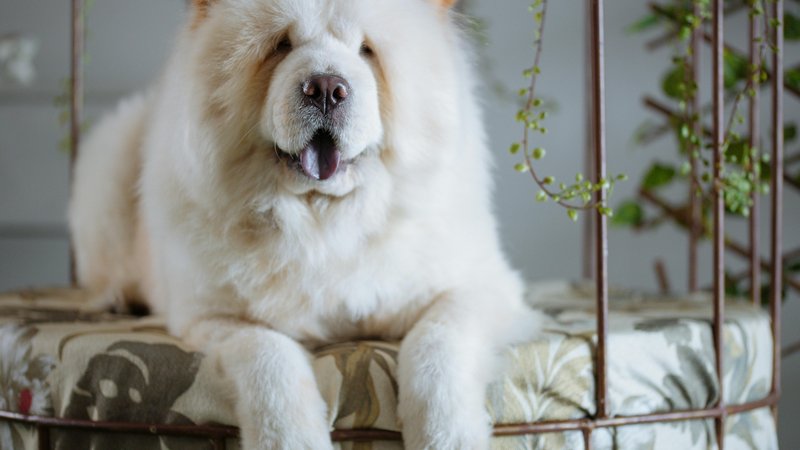
Chow Chows are serious, cat-like dogs that rarely bark without a clear reason. They are naturally aloof with strangers but deeply devoted to their family. Their quiet confidence sets them apart.
- Key Specs: Medium to large, 45–70 lbs, thick coat, low to moderate energy
- Pros: Quiet, clean, low exercise needs
- Cons: Stubborn, heavy shedding, not ideal for first-time owners
10. Newfoundland

Newfoundlands are massive, sweet-tempered dogs with a calm disposition. They rarely bark and are known for their patience, especially around children. They were originally bred as working water dogs for fishermen.
- Key Specs: Giant, 100–150 lbs, thick double coat, moderate energy
- Pros: Gentle, quiet, excellent with kids
- Cons: Heavy drooling and shedding, needs space
11. Whippet
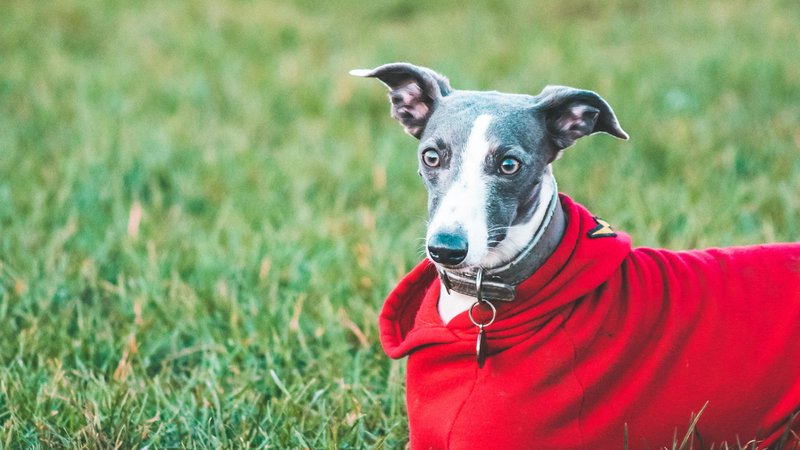
Whippets are gentle, sensitive dogs that are rarely noisy. Like their Greyhound cousins, they prefer lounging quietly at home to making a fuss. They adapt well to apartment living.
- Key Specs: Medium, 25–40 lbs, short coat, moderate energy
- Pros: Quiet, affectionate, low grooming needs
- Cons: Sensitive to cold, needs secure outdoor space
12. Boxer

Boxers are playful and energetic, but they are not excessive barkers. They communicate more through body language and their famously expressive faces than through noise.
- Key Specs: Medium to large, 50–80 lbs, short coat, high energy
- Pros: Loyal, playful, moderate barking tendency
- Cons: High exercise needs, brachycephalic health concerns
13. Bulldog

Bulldogs are laid-back, low-energy dogs that rarely see the point of barking. They are content to snooze on the sofa and greet visitors with a slow tail wag rather than noise.
- Key Specs: Medium, 40–50 lbs, short coat, low energy
- Pros: Very quiet, calm, great for small spaces
- Cons: Brachycephalic issues, prone to obesity, snores loudly
14. Collie
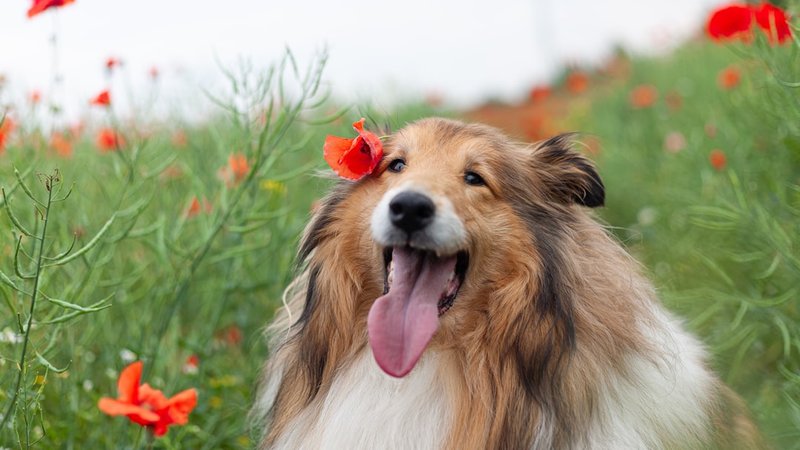
Collies can bark, but with proper socialization and training, they become remarkably quiet dogs. They are highly intelligent and eager to please, making training very effective. Understanding why dogs vocalize can help owners address any noise habits early.
- Key Specs: Large, 50–75 lbs, long or short coat, moderate energy
- Pros: Trainable, gentle, great with families
- Cons: Can bark if under-stimulated, needs regular grooming
15. Mastiff
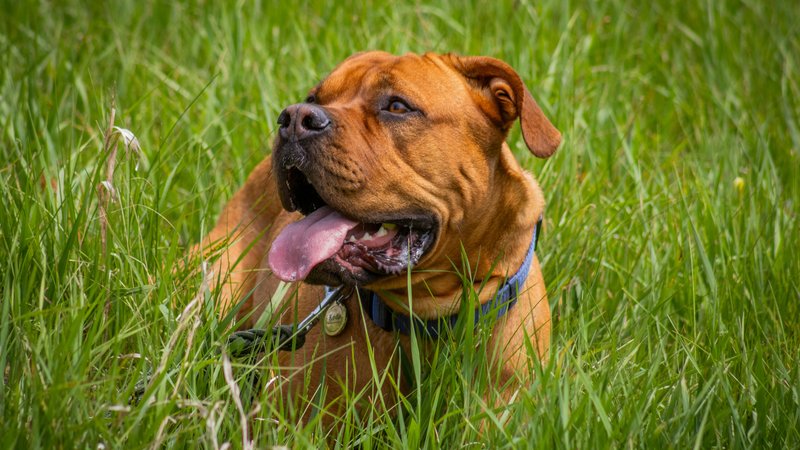
As noted by WagWalking, mastiffs quietly present themselves to strangers to be petted rather than barking at them. Their sheer size makes wild barking generally unnecessary.
- Key Specs: Giant, 120–230 lbs, short coat, low energy
- Pros: Calm, quiet, natural deterrent by size alone
- Cons: Heavy drooling, high food costs, shorter lifespan
16. Great Dane
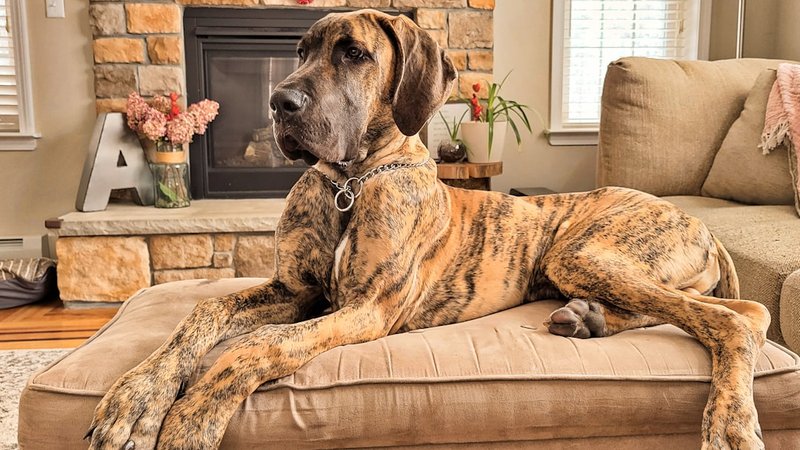
Great Danes are nicknamed “gentle giants” for good reason. Despite their imposing size, they are calm, quiet, and friendly. They rarely bark unless something truly warrants their attention.
- Key Specs: Giant, 110–175 lbs, short coat, moderate energy
- Pros: Quiet, friendly, great with children
- Cons: Short lifespan, high food costs, needs space
17. Shar Pei

Shar Peis are calm, independent dogs that tend to be quiet and reserved. They are not prone to excessive barking and carry themselves with a dignified, almost stoic presence.
- Key Specs: Medium, 45–60 lbs, short wrinkled coat, low to moderate energy
- Pros: Quiet, loyal, low exercise needs
- Cons: Prone to skin and eye issues, can be stubborn
18. Rhodesian Ridgeback

Rhodesian Ridgebacks are confident, athletic dogs that are not big barkers. Originally bred to track lions in Africa, they are fearless but composed. You might also enjoy the story of Lazare, the remarkable 30-year-old dog.
- Key Specs: Large, 70–85 lbs, short coat, high energy
- Pros: Quiet, loyal, low grooming needs
- Cons: Needs significant exercise, strong-willed
19. Saluki

Salukis are ancient sighthounds known for their grace and silence. They are gentle, sensitive dogs that rarely bark and tend to observe the world quietly from a comfortable spot.
- Key Specs: Medium to large, 40–65 lbs, silky coat, moderate to high energy
- Pros: Very quiet, elegant, low barking tendency
- Cons: Strong prey drive, needs secure fencing, aloof with strangers
20. Pug

Pugs are charming, sociable little dogs that are generally quiet. They prefer snuggling and snoring to barking. While their grooming and care costs are manageable, their big personality more than makes up for their small size.
- Key Specs: Small, 14–18 lbs, short coat, low to moderate energy
- Pros: Quiet, affectionate, great for apartments
- Cons: Brachycephalic health issues, heavy shedder despite short coat
Understanding Breed Temperament and Natural Barking Tendencies
Not all dogs bark for the same reasons. Some breeds were developed to alert hunters with loud calls, while others were bred for silent tracking or companionship. A breed’s original purpose plays a massive role in how vocal it naturally is.
Temperament also matters. Calm, confident dogs tend to bark less because they feel less threatened by their environment. Anxious or high-strung breeds are far more likely to react to every sound and movement.
Why Certain Dogs Bark Less Than Others: Genetic and Behavioral Factors
Genetics determine a dog’s baseline vocal tendency. Breeds like the Basenji have a uniquely shaped larynx that physically prevents traditional barking. Others, like sighthounds, were selected over centuries for silent hunting.
Behavior also plays a role. Dogs that receive enough mental stimulation, exercise, and social interaction are far less likely to bark out of boredom or frustration. Understanding why dogs vocalize helps owners address the root cause rather than just the symptom.
Quiet Dog Breeds by Size Category: Small, Medium, and Large Options
Quiet dogs come in every size. Small options include the Pug, Cavalier King Charles Spaniel, and French Bulldog. Medium-sized quiet breeds include the Whippet, Shiba Inu, and Basenji.
For those who prefer larger dogs, the Greyhound, Mastiff, Great Dane, and Newfoundland are all known for their calm, low-noise temperaments. Size alone does not determine how vocal a dog will be.
Socialization and Confidence: How Early Training Reduces Excessive Barking
Early socialization is one of the most effective tools for reducing barking. Puppies exposed to a variety of people, sounds, and environments grow into confident adults who are less reactive to everyday stimuli.
Confidence is key. A dog that feels secure in its environment has little reason to bark defensively. Consistent, positive training from an early age builds that confidence steadily over time.
Apartment Living and Quiet Breeds: Finding the Perfect Match for Urban Homes
Urban living demands a dog that won’t disturb neighbors through thin walls. Breeds like the French Bulldog, Bulldog, Pug, and Cavalier King Charles Spaniel are consistently recommended for apartment life.
Beyond barking, consider energy levels too. A high-energy quiet dog may still cause issues if its exercise needs aren’t met. Matching both temperament and activity level to your lifestyle is essential.
Energy Levels and Exercise Requirements for Low-Barking Dogs
Quiet doesn’t always mean lazy. Greyhounds, Whippets, and Rhodesian Ridgebacks need regular exercise despite their calm indoor demeanor. Failing to meet their physical needs can trigger restlessness and, eventually, more barking.
On the other hand, Bulldogs, Pugs, and Mastiffs are genuinely low-energy dogs. They are naturally content with shorter walks and plenty of rest, making them ideal for less active owners.
Separation Anxiety Management in Naturally Quiet Breeds
Even naturally quiet dogs can become vocal when left alone for too long. Separation anxiety is a common trigger for barking in otherwise calm breeds like the Cavalier King Charles Spaniel and Whippet.
Gradual alone-time training, puzzle toys, and consistent routines help manage anxiety effectively. Daily Paws offers practical guidance on helping dogs feel comfortable when their owners are away.
Original Breed Purpose: How Hunting and Companion Roles Influence Barking Behavior
Sighthounds like the Greyhound, Saluki, and Afghan Hound were bred to hunt silently using their eyes rather than their voices. This heritage makes them naturally quiet compared to scent hounds, which were bred to bay loudly on a trail.
Companion breeds were selected for calm, pleasant temperaments that suited indoor living. That same selection pressure often produced dogs with lower barking tendencies as a bonus.
Training Techniques to Encourage Quiet Behavior in Your Dog
Teaching a “quiet” command is one of the most reliable methods for managing barking. Reward your dog generously when it stops barking on cue, and practice consistently in low-distraction environments first.
Desensitization is another powerful tool. Gradually exposing your dog to its barking triggers at a low intensity helps reduce its emotional reaction over time. Patience and consistency are non-negotiable here.
Health Considerations Specific to Low-Barking Dog Breeds
Many quiet breeds come with specific health concerns worth knowing. Brachycephalic breeds like Bulldogs, French Bulldogs, and Pugs are prone to breathing difficulties due to their flat faces. Regular vet checkups are critical for these dogs.
Giant breeds like Mastiffs and Great Danes face joint and heart issues and typically have shorter lifespans. Choosing a breed means committing to its specific health management needs for its entire life.
Quiet Dog Breeds Ideal for Families with Children
Families with young children benefit greatly from calm, quiet breeds. The Newfoundland, Cavalier King Charles Spaniel, Bernese Mountain Dog, and Collie are all known for their patience and gentleness with kids.
A quiet dog also means a less startled, less reactive dog around unpredictable toddler behavior. That calm temperament creates a safer, more harmonious household for everyone involved. This sweet Labrador parenting a human baby perfectly captures that bond.
Best Quiet Breeds for First-Time Dog Owners
First-time owners benefit most from breeds that are both quiet and easy to train. The Cavalier King Charles Spaniel, French Bulldog, and Whippet are excellent starting points. They are forgiving of beginner mistakes and naturally low-maintenance in the noise department.
Avoid starting with highly independent or stubborn quiet breeds like the Basenji, Akita, or Chow Chow if you have no prior dog experience. These dogs require confident, consistent handling to thrive.
Hypoallergenic Quiet Dog Breeds for Allergy-Sensitive Households
Finding a dog that is both quiet and hypoallergenic narrows the field considerably. The Basenji is one option that fits both criteria reasonably well, producing minimal dander alongside its famous silence.
It’s worth noting that no dog is truly 100% hypoallergenic. Allergy sufferers should spend time with a specific dog before committing, regardless of what the breed profile suggests about allergen levels.
Grooming Needs and Maintenance for Quiet Dog Breeds
Grooming needs vary widely across quiet breeds. Short-coated breeds like the Greyhound, Boxer, and Bulldog require minimal brushing. Long-coated breeds like the Afghan Hound and Cavalier King Charles Spaniel demand much more regular attention.
Factor grooming time and cost into your decision. A professional grooming appointment can add up quickly over a dog’s lifetime, especially for high-maintenance coats.
Lifespan and Longevity Expectations for Low-Barking Breeds
Lifespan varies significantly by size. Smaller quiet breeds like the Cavalier King Charles Spaniel and Pug typically live between 10 and 14 years. Giant breeds like the Mastiff and Great Dane often have lifespans closer to 7 to 10 years.
Similar Posts
Cat Boarding vs Cat Sitter: Which Is Better?
Choosing between cat boarding vs cat sitter? Discover cost, safety, stress, and care differences to make the best choice for your cat.
10 Best Indoor Pets for Families With Kids
Finding the best indoor pets for families with kids requires balancing animal temperament with household dynamics. Children often thrive when they have an animal companion to care for and learn from daily. Certain animals adapt perfectly to a life entirely inside the house and provide endless entertainment. Proper research ensures that both the children and…
5 dog breeds couples regret getting without planning first
Couples often regret certain breeds, not because the dogs are bad, but because their needs don’t match real-life schedules, budgets, and living space.
Why Golden Retrievers Like Joey Are Naturally Drawn To Women
Golden Retrievers are famous for their friendly and social nature, often treating every stranger as a long-lost friend. However, a recent viral sensation involving a dog named Joey has highlighted a specific preference that many owners have noticed. Joey has become a TikTok star because of his clear and enthusiastic favoritism toward women. In a…
This Black Cat Covered His Face in Milk and Completely Lost Himself in the Moment
There is something uniquely hilarious about watching a cat who clearly thinks very highly of himself absolutely lose all composure over a bowl of milk. A viral video making the rounds on TikTok features a black cat perched at a table like he owns the place, enthusiastically drinking milk in a way that can only…
How to Stop a Dog from Barking at Strangers
Learn how to stop dog barking at strangers using proven desensitization, positive reinforcement, and management strategies that actually work.