How to Cook Rabbit for Dogs: Safe Recipe Guide
Rabbit meat is quietly becoming one of the most popular proteins in homemade dog diets, and for good reason. It is lean, digestible, and packed with nutrients that support muscle, coat, and joint health. If you have been curious about how to cook rabbit for dogs, this guide walks you through everything you need to know, from understanding its nutritional value to serving it safely at the right portion size.
Nutritional Benefits of Rabbit Meat for Dogs
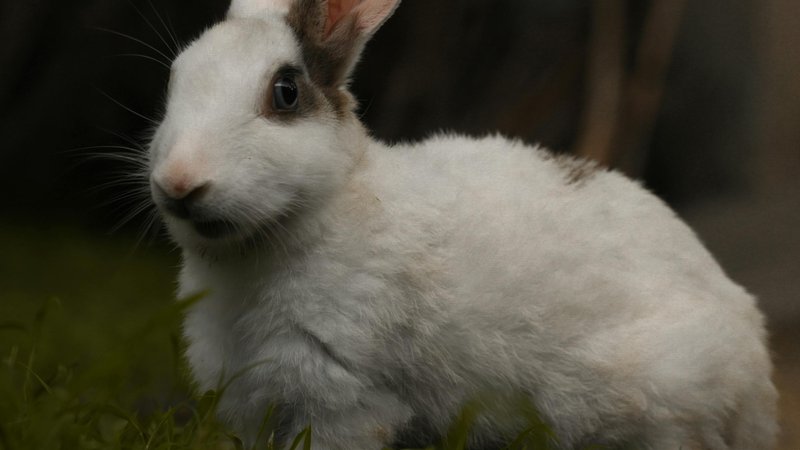
Rabbit is one of the most nutrient-dense proteins you can offer your dog. It is naturally low in fat and cholesterol while delivering an impressive amino acid profile that supports lean muscle development. According to Pawsome Raw, rabbit meat has the highest protein ratio compared to chicken, pork, turkey, duck, fish, lamb, or beef, which does wonders for your dog’s overall health. It also helps keep joints lubricated and the coat noticeably shiny. For dogs prone to weight gain, rabbit is an excellent choice because of its low caloric density relative to its protein content.
Raw Versus Cooked Rabbit: Preparation Methods and Safety
Both raw and cooked rabbit can be appropriate for dogs, depending on your comfort level and your dog’s health status. Raw rabbit, when sourced from a reputable supplier, retains more natural enzymes and nutrients. However, raw meat carries a risk of bacterial contamination, so it should always be handled with clean tools and stored properly. Cooked rabbit eliminates most bacterial risks and is a safer starting point for dogs new to this protein. If you are comparing rabbit to other proteins, it is worth reading about the best fish for dogs to understand how different meats stack up nutritionally.
Proper Cooking Techniques and Storage Guidelines
When cooking rabbit for your dog, keep it simple. Boiling or baking without any seasoning is the safest method. Never add garlic, onion, salt, herbs, or oils, as these are harmful to dogs. To boil rabbit, place the pieces in a pot of plain water and simmer for 45 to 60 minutes until the meat is cooked through and falls off the bone easily. Remove all bones before serving, as cooked bones can splinter and pose a serious choking or injury hazard. Baking at 350°F for around 40 minutes also works well. Once cooked, rabbit can be refrigerated for up to three days in an airtight container or frozen for up to three months.
Portion Sizing and Feeding Recommendations by Dog Size
Portion size depends on your dog’s weight, activity level, and whether rabbit is being served as a main meal or a supplement. As a general guideline, homemade food should make up roughly 2 to 3 percent of your dog’s body weight per day. For a 20-pound dog, that translates to roughly 6 to 10 ounces of food daily. Rabbit can make up the majority of that if it is being used as a primary protein. Smaller dogs need smaller portions, while large or highly active breeds may need more. Always monitor your dog’s weight and energy levels when introducing a new protein source and adjust accordingly.
Nutritional Balance and Supplementation for Homemade Rabbit Diets
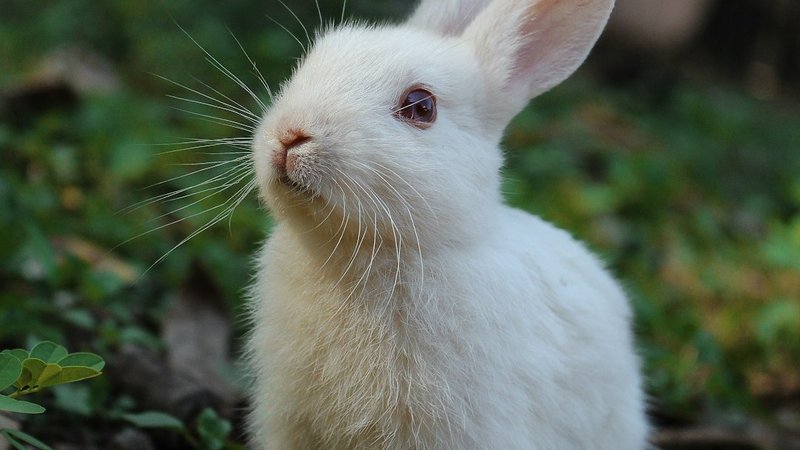
Rabbit meat alone does not constitute a complete and balanced diet. Dogs need a range of vitamins, minerals, and fatty acids that a single protein source cannot provide on its own. When building a homemade rabbit-based meal, consider adding dog-safe vegetables like carrots, zucchini, or green beans. Omega-3 supplementation is often recommended, and you can explore options like sardines in olive oil as a complementary addition. Calcium balance is especially important in homemade diets, so consult your veterinarian or a veterinary nutritionist before making rabbit a long-term staple.
Transition Protocols and Suitability for Food-Sensitive Dogs
Rabbit is classified as a novel protein, meaning most dogs have never been exposed to it. This makes it an excellent choice for dogs with food sensitivities or suspected protein allergies. Because it is unlikely to trigger an existing immune response, veterinarians often recommend it as part of an elimination diet. When transitioning, start by replacing about 25 percent of your dog’s current food with cooked rabbit for the first few days, then gradually increase the proportion over one to two weeks. Watch for any signs of digestive upset, including loose stools or vomiting, and slow the transition if needed. Just as some fish preparations require careful handling before feeding, rabbit also benefits from thoughtful preparation to ensure it is both safe and nutritious for your dog.