Five Types of Dog Toys That Vets Say You Should Never Buy
Picking out a toy for your dog might feel like one of the easier parts of pet ownership, but the wrong choice can lead to painful and expensive consequences. Not everything on the pet store shelf is as safe as it looks, and some of the most popular options out there come with serious hidden risks. From brittle plastics to fraying ropes, certain toys can cause choking, digestive blockages, or lasting dental damage depending on how your dog plays. Tom Mason, a veterinarian with Perfect Pet Insurance, is urging dog owners to look beyond the packaging and really think about their dog’s individual chewing style before making a purchase.
Mason points out that dogs vary enormously in how they interact with toys. Some carry them around gently, while others chew, shred, and swallow with real intensity. A toy that poses zero risk for one dog can be genuinely dangerous for another, which is why breed, size, and chewing habits should all factor into every buying decision. He recommends choosing toys made by reputable manufacturers, sized appropriately for your dog, and suited to how they naturally play. Owners should also get into the habit of inspecting toys regularly and removing them at the first sign of wear or damage.
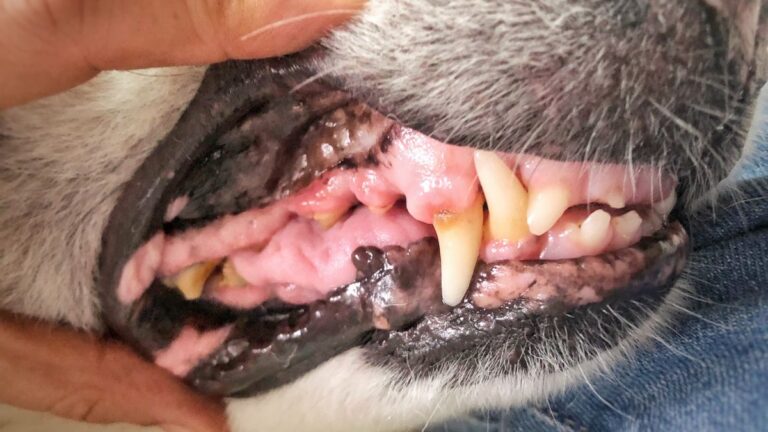
It is also worth knowing that unlike children’s toys, pet toys are not subject to strict safety regulations, which means the responsibility falls entirely on the owner to make informed choices. Mason has identified five toy categories that come up again and again as sources of injury and emergency vet visits. Hard plastic or metal toys are the first concern, since dogs with powerful bites can fracture or wear down their teeth on overly rigid materials. Mason offers a simple test to check whether a toy is too hard: if you press your thumbnail into it and it leaves no dent, it is likely hard enough to cause dental fractures or enamel damage.
Cheap rubber or plastic toys present a double threat, as they tend to break apart quickly and can contain toxic materials that are unsafe for chewing and swallowing. Rope toys are another common offender that many owners overlook because they seem harmless. Mason explains that once a rope toy starts unraveling, the loose threads become a genuine hazard since dogs can swallow them and develop serious or even life-threatening digestive blockages. He advises throwing rope toys away the moment you notice the first signs of fraying, not waiting to see how bad it gets.
Tennis balls round out the list of unexpected dangers. While countless dogs love chasing them, standard tennis balls were never designed with dogs in mind. Their rough, abrasive surface combined with dirt and grime acts almost like sandpaper against a dog’s teeth over time, gradually wearing down enamel to the point where extractions may be needed. On top of that, a strong dog can collapse a tennis ball in their jaws, creating a choking risk in seconds. Finally, any toy that is small enough to be swallowed whole, or that contains detachable parts like squeaky inserts, button eyes, or decorative accessories, should be avoided entirely since those pieces can separate and block either the airway or the digestive tract.
If you have strong opinions on dog toy safety or have had your own experience with a toy that caused problems, share your thoughts in the comments.