Which Nuts Are Safe for Dogs to Eat? (And the 5 That Are Highly Toxic)
Many dog owners love sharing snacks with their pets, and nuts are often sitting right there on the kitchen counter. Before tossing one to your pup, it is worth knowing exactly which nuts are safe for dogs to eat and which ones could cause serious harm.
Not all nuts are created equal when it comes to canine health. Some are perfectly fine in small amounts, while others can trigger anything from digestive upset to life-threatening toxicity. Understanding the difference could genuinely save your dog’s life.
Safe Nuts for Dogs That Can Be Given as an Occasional Reward
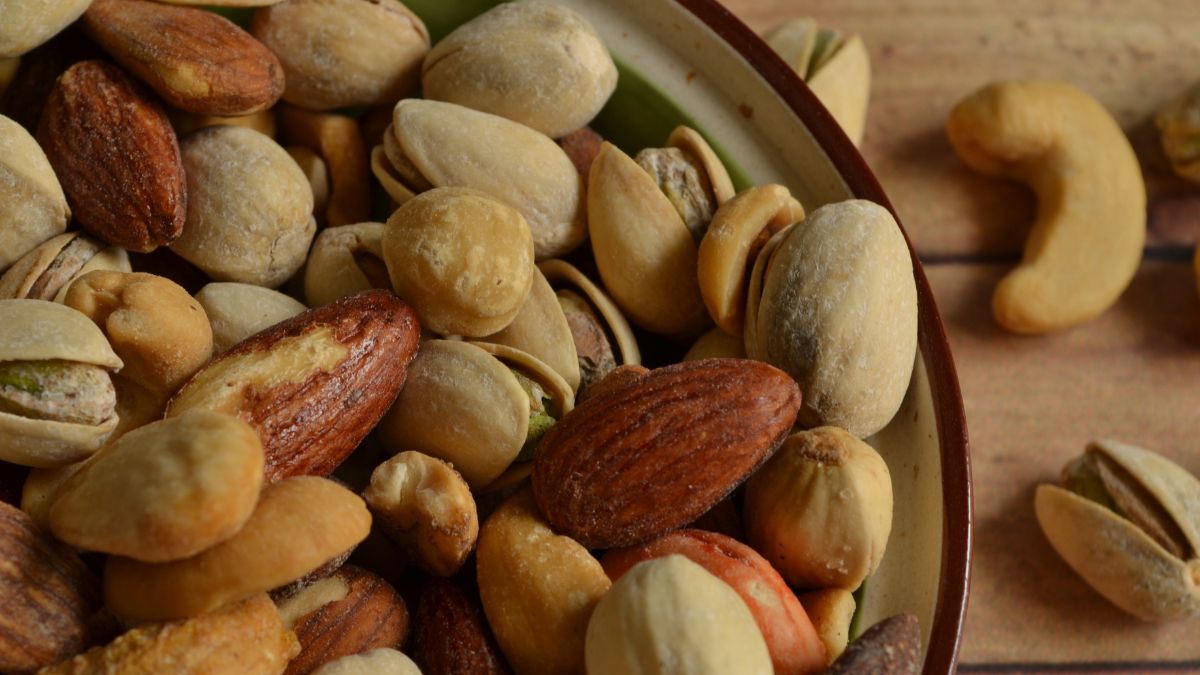
Peanuts are probably the most commonly shared nut between humans and their dogs, and the good news is that they are generally safe in small amounts. They should always be plain, unsalted, and offered without the shell to avoid any choking risk or unnecessary digestive trouble.
Cashews are another nut that dogs can occasionally enjoy without serious concern. They are not toxic to dogs, but they are notably high in fat, so they should be treated as an infrequent reward rather than a regular part of the diet.
Roasted chestnuts are also considered safe for dogs, provided they carry no added salt, sugar, or seasonings of any kind. They offer a decent source of fiber and can be a pleasant seasonal treat when given with appropriate restraint.
Plain almonds sit in a grey area worth mentioning. They are not considered directly toxic, but their hard texture and high fat content make them a poor choice for most dogs, particularly smaller breeds who may struggle to chew and digest them properly.
Toxic Nuts for Dogs You Should Never Allow Near Your Pet
Macadamia nuts are among the most dangerous foods a dog can consume, and this fact cannot be overstated. Even a small amount can lead to weakness, vomiting, tremors, and hyperthermia, and any suspected ingestion should be treated as a veterinary emergency without delay.
Black walnuts are another nut that poses a genuine threat to dogs and should always be kept well out of reach. They contain a compound called juglone, which is toxic to many animals, and the shells in particular can cause severe gastrointestinal distress.
Pecans and hickory nuts also fall firmly into the danger category. They can contain tremorgenic mycotoxins when they begin to mold, leading to neurological symptoms that require immediate veterinary attention and should never be dismissed as minor.
Regular walnuts, while less acutely dangerous than the black variety, are still not recommended for dogs. Their large size and high fat content increase the risk of gastrointestinal obstruction and pancreatitis, making them a snack best avoided entirely.
Dog Nutrition and Snacking With Moderation Always in Mind
Even the nuts that are technically safe for dogs come with important caveats tied directly to dog nutrition and responsible snacking. Nuts are universally calorie-dense and high in fat, meaning they can contribute to weight gain and even pancreatitis if fed too frequently or in excessive quantities.
Salt and artificial flavorings found on many packaged nuts represent another significant concern for pet owners. Dogs are far more sensitive to sodium than humans, and flavored varieties often contain garlic or onion powder, both of which are genuinely toxic to dogs in any amount.
The best approach is to think of safe nuts as an infrequent treat rather than a nutritional staple. Your dog’s regular balanced diet should always be the primary source of their vitamins, minerals, and healthy fats rather than human snack foods.
Portion size matters enormously here, especially when it comes to smaller breeds. What feels like a negligible snack to you can represent a substantial caloric load for a small dog, so always adjust the amount based on your individual pet’s size and overall weight.
Healthy Treats for Dogs That Carry Far Fewer Risks
If you are looking for healthy treats for dogs that sidestep the complications of nuts altogether, there are many excellent alternatives worth incorporating into your routine. Fresh fruits like blueberries, watermelon without seeds, and thinly sliced apple are popular options that most dogs enjoy and tolerate very well.
Vegetables such as carrots, cucumber slices, and cooked sweet potato are naturally low in fat and rich in beneficial nutrients. They make satisfying crunchy snacks that many dogs find just as rewarding as higher-calorie options, and they support good dental hygiene as an added bonus.
Commercial dog treats formulated by veterinary nutritionists are always a reliable choice when you want genuine peace of mind. They are designed with the correct balance of nutrients for dogs and undergo safety testing before reaching store shelves, removing much of the guesswork for pet owners.
What to Do If Your Dog Eats a Dangerous Nut
If you suspect your dog has eaten a nut that falls into the toxic category, acting quickly is absolutely essential. Do not wait for symptoms to develop before contacting your veterinarian, because early intervention is almost always far more effective than treating a reaction that has already advanced.
Try to identify the specific type of nut and estimate how much your dog may have consumed. This information gives your vet the best possible foundation for assessing the level of risk and determining the most appropriate course of action for your pet.
In many cases your vet may advise inducing vomiting or simply monitoring for specific symptoms at home, depending on the circumstances. Always follow their professional guidance rather than attempting to manage the situation independently, as some home remedies can inadvertently make the situation considerably worse.
Storing all nuts in sealed containers kept well out of reach remains the simplest and most effective prevention strategy available to any dog owner. Dogs are naturally curious and remarkably resourceful when it comes to reaching food, so removing the opportunity entirely is always the safest habit to develop.