
The Marble Caves of Patagonia Are One of the Most Breathtaking Hidden Gems on Earth
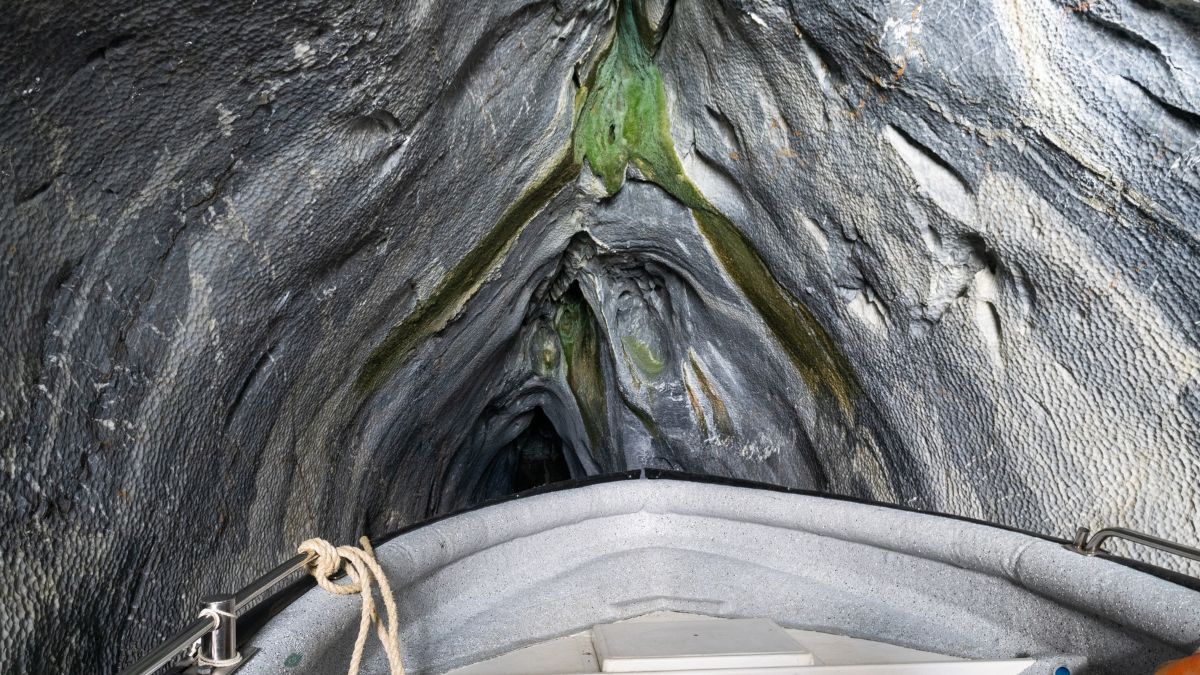
Tucked deep within the remote reaches of Patagonia, one of the planet’s most extraordinary geological wonders sits quietly on the shores of a shimmering glacial lake. The Marble Caves, known locally as Cuevas de Mármol, are a network of caverns, tunnels, and pillars carved into solid marble along the western edge of Lake General Carrera in Chile. Over thousands of years, relentless wave action has sculpted the stone walls into smooth, swirling forms that glow in breathtaking shades of blue and turquoise. The locals have long referred to this formation as the “marble cathedral,” and once you see it, the name makes perfect sense.
What makes the caves so visually stunning is the way light and water play off each other inside them. In the morning hours, when the main chamber sits in shadow, light filtering through the cave openings bounces off the surface of the lake and washes the grey and white marble walls in an ethereal blue glow. The deep turquoise hue of the water itself comes from glacial silt suspended in the lake, which amplifies the dreamlike quality of the whole experience. The sound of waves gently lapping against the stone walls echoes through the chambers, with droplets falling steadily from the marble ceiling above. Visitor Hans Claussen once described the feeling of arriving there as one of peace, clarity, and falling in love with a synthesis of colors unlike anything else.
The appearance of the caves actually shifts depending on the time of year you visit. During summer months, snowmelt from the surrounding mountains can raise the lake level by roughly three feet, which changes which parts of the cave system are visible from the water. In winter, the water recedes and reveals sections of the caves that normally remain submerged. This seasonal variation means no two visits are ever quite the same, which is part of what makes the destination so endlessly fascinating to travelers and nature lovers alike. Recognizing their exceptional value, the Chilean government officially designated the Marble Caves a Nature Sanctuary back in 1994.
Getting there is part of the adventure. The caves sit just a short distance from the shoreline but are completely inaccessible by land due to the steep, densely forested slopes surrounding them. The only way to reach them is by boat or kayak, departing from the small town of Puerto Río Tranquila. As you glide across the glacial water with the snow-capped Andes towering in the background, the formations slowly rise from the lake like ancient monuments. It is the kind of approach that builds anticipation in the best possible way.
The geological story behind the caves is just as remarkable as their appearance. The marble itself, estimated to weigh around 5.5 billion tons, began its journey more than 300 million years ago as ordinary limestone formed near the equator. Tectonic plate movement gradually carried the rock southward and deep underground, where temperatures between roughly 570 and 750 degrees Fahrenheit and immense pressure transformed the limestone through a process called metamorphosis, recrystallizing it into the hard, whitish-grey marble streaked with veins of brown and yellow minerals we see today. Francisco Hervé Allamand, a geology professor at Chile’s Andrés Bello University, has explained that after glaciers retreated somewhere between 10,000 and 15,000 years ago, the lake formed and the cave-shaping process began in earnest.
From that point on, the tireless waves of Lake General Carrera took over. Since calcium carbonate, the primary component of marble, is highly soluble in water, the constant movement slowly dissolved and carved away the stone over millennia. The result is the intricate labyrinth of tunnels, arches, and chambers we see today, a masterpiece shaped entirely by time, water, and pressure. It is the kind of place that reminds you just how patient and powerful nature truly is.
If this hidden gem of Patagonia is on your travel list or you have already been lucky enough to visit, share your thoughts in the comments.