The Road in Nepal Where One Small Mistake Can Send You Over the Edge
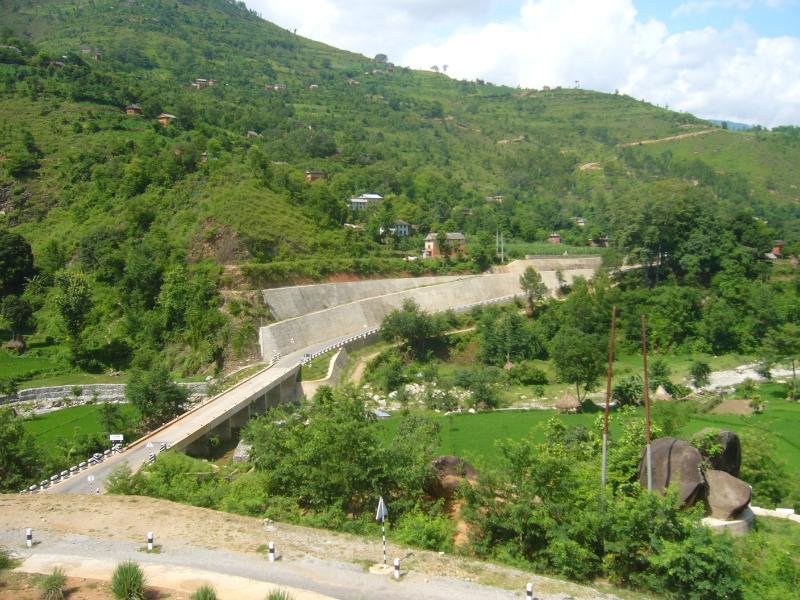
Tucked away in the Himalayan highlands of Nepal, there is a road that tests even the most experienced drivers in ways that few others in the world can. The Sindhuli Highway, officially known as the BP Koirala Highway, stretches for about 99 miles through dramatic mountain terrain, connecting the Kathmandu Valley with the eastern lowland regions of the country. It was built over nearly two decades with significant financial support from Japan and is widely considered a remarkable feat of engineering in Asia. But remarkable and safe are two very different things, and this road makes that distinction painfully clear.
The highway is just barely wider than a single traffic lane in many sections, and it runs right alongside some seriously steep drop-offs that would make even the calmest driver grip the wheel a little tighter. Countless sharp bends and switchback turns demand total concentration the entire time you are behind the wheel. There are stretches with no guardrails at all on the most exposed parts of the route, meaning a momentary lapse in focus can have catastrophic consequences. For these reasons, heavy trucks and large vehicles face strict restrictions on this road, though accidents still happen with troubling frequency.
Nature does not make things any easier here either. The geological foundation along parts of the route is unstable, which means landslides are common, especially during the monsoon season when rain saturates the hillsides. Fog rolls in thickly in the higher elevations and can cut visibility down to just a few meters, turning an already demanding drive into something truly nerve-wracking. According to police reports, one intersection where the Sindhuli Highway meets other roads saw more than two hundred accidents recorded in a single year. One particular stretch alone was the site of 82 collisions, leaving 11 people dead and more than two hundred others injured.
Beyond the physical dangers, the road has taken on a deeply spiritual dimension in the eyes of the local community. Thousands of small mirrors line the retaining walls along the route, placed there as offerings to the goddess Seti Devi. Local belief holds that an ancient temple was demolished during the road’s construction, angering the divine, and that these mirrors serve as a form of protection and appeasement for travelers passing through. There are also folk stories circulating in the area about paranormal encounters on the road, including tales of vehicles appearing suddenly out of the thick fog, which has only added to the highway’s eerie reputation.
@tilakstha92 #creatorsearchinsights #fyp #foryou #foryoupage #goviral #tiktoknepal 📍CHIYABARI, B P HIGHWAY, SINDHULI ❤️ #sindhulimuser #bphighway @Ls Photography📸 ♬ Waves & Wavs – Ahmed Spins
Recent years have brought additional hardship to an already difficult route. Flooding from the Roshi River destroyed roughly 5 miles of the road, cutting off a vital connection and forcing traffic through makeshift detours along the riverbed, which became slippery and treacherous during periods of rain. The government has since approved funding of approximately 63 million dollars for a comprehensive reconstruction project that would be carried out in phases. Plans include raising the road surface, constructing retaining walls, and widening the highway to a minimum of about 23 feet, with tunnels and viaducts being considered for the most challenging sections, with expected technical assistance from Japanese experts.
Until that work is complete, the Sindhuli Highway remains one of the most unforgiving stretches of road on the planet. Authorities already close it to nighttime traffic during the monsoon season as a preventive safety measure, which speaks volumes about how seriously the risks are taken. The road is proof that even impressive human engineering can be humbled by geography, weather, and time. It is the kind of place that reminds you just how small we are compared to the mountains around us.
If you have ever driven a dangerously tricky road or have thoughts on whether highways like this should still be in use, share your take in the comments.