chesterzoo/Instagram

Critically Endangered Roloway Monkey Welcomes a Baby at Chester Zoo After Pioneering Foot Surgery

A remarkable story of survival and new life is unfolding at Chester Zoo in England, where a critically endangered roloway monkey has given birth just months after groundbreaking surgery saved her from a life-altering amputation. Masaya, a 15-year-old roloway monkey, had a golf-ball-sized mass removed from her foot last summer in a complex operation carried out jointly by zoo vets and surgeons from the University of Liverpool’s Small Animal Teaching Hospital. The procedure was unlike anything that had been attempted before on this species, making the outcome all the more extraordinary. Against the odds, Masaya not only recovered fully but went on to do what she does best — become a mother again.

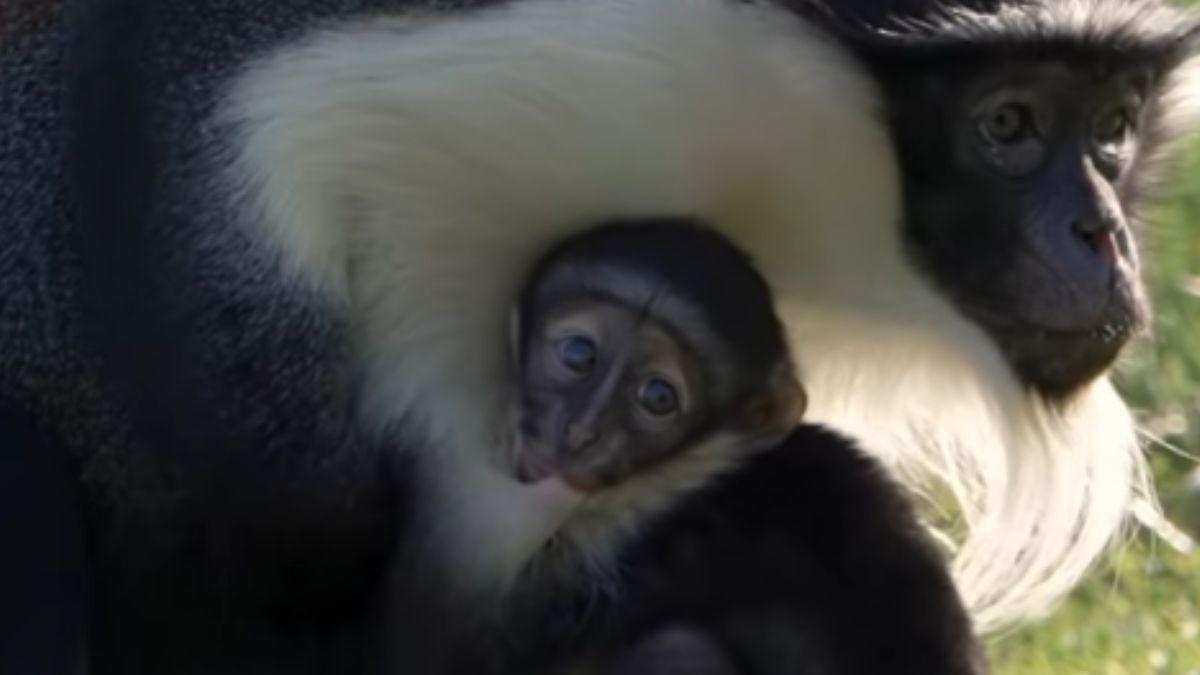
Despite finding no previous examples of the procedure on roloway monkeys, the team successfully conducted surgery to save all but one of her toes. Now, she has given birth to little Lagertha, who primate experts at the zoo say is already showing signs of her mother’s spirit. The baby’s name was inspired by the legendary Viking queen, a fitting tribute to a newborn whose very existence required a battle to secure. Lagertha is Masaya’s third daughter, and for the keepers who have watched Masaya through her ordeal, the birth feels like a genuine triumph.

Zoe Edwards, primate keeper at Chester Zoo, could not hide her delight at the new arrival. “Masaya is a very experienced mum and she’s parenting magnificently,” she said. “Lagertha is only a few weeks old and is very dinky but already curious about the roloway monkey habitat and inquisitive about us.” Edwards also underlined just how much was riding on the surgery going well, noting that an amputation could have put Masaya’s ability to raise offspring in serious doubt. “If she’d had an amputation, we’d have been left with real questions about whether she could hold her offspring or continue with her normal behaviors,” she added.

The road to the operating table was a long and frustrating one. Masaya had experienced recurring problems with her foot since she came to the zoo in 2023, and despite x-rays, ultrasounds, and biopsies, vets struggled to identify the cause, eventually concluding it was likely a persistent abscess, possibly from an old thorn injury. When the swelling worsened, the decision was made to transport her to the University of Liverpool for a CT scan. Charlotte Bentley, veterinary officer at the zoo’s animal health centre, described the unusual logistics of the situation. “It’s not every day you take a monkey to vet school. We had to bring everything she might need, from anaesthesia equipment to medications and blankets. Following the scan, we decided an operation was the way forward. She’s been an absolute trooper all the way through and I’m just glad we were able to do something for her,” Bentley said.

For Rachel Burrow, vet and lecturer at the University of Liverpool who played a central role in the operation, the experience was one she will not forget. “This was the last chance to save Masaya’s foot before amputation. Working with primates is completely different from my usual patients, who are typically cats and dogs, and it was a real privilege to care for such a rare animal. It’s great to see the surgery was a success — she’s comfortable, active and using the limb well,” Burrow said. The collaborative nature of the procedure, drawing on expertise from both the zoo and a leading university veterinary team, set a new benchmark for what is possible in the care of endangered primates.

The stakes surrounding Masaya’s health extend far beyond Chester Zoo itself. According to the International Union for Conservation of Nature (IUCN), fewer than two thousand roloway monkeys live wild in Ghana and the Ivory Coast, where they face habitat loss and poaching. Hunters and illegal pet dealers have triggered an 80 percent fall in their numbers, and the species now survives only in isolated pockets of old-growth forest. Chester Zoo is one of only two places in the UK that roloway monkeys can be found, and there are only a few breeding females in zoos across Europe. Every healthy birth within the European Endangered Species Programme carries enormous significance for the long-term survival of the species.

Baby Lagertha and her mother Masaya can currently be seen alongside four other roloway monkeys at Chester Zoo, giving visitors a rare chance to witness one of the world’s most endangered primates up close. The arrival of this tiny, curious infant is a reminder of what dedicated conservation medicine can achieve when zoos and universities pool their resources and refuse to give up on an animal in need.

Roloway monkeys are so visually distinctive that they were once thought to be a subspecies of Diana monkey before being reclassified as their own species in the 1980s, a taxonomic shift that helped scientists recognize just how uniquely imperiled they were. The species communicates through an elaborate system of alarm calls that can distinguish between aerial predators like eagles and ground-based threats like leopards, a level of vocal sophistication that researchers continue to study today. Chester Zoo’s roloway group is part of a coordinated European studbook, meaning Lagertha’s birth has likely already been logged by conservation coordinators tracking every individual in the global captive population.

What do you think about the role zoos play in saving critically endangered species — share your thoughts in the comments?

Similar Posts

  • Why Your Dog Chases Its Own Tail and What It Is Really Trying to Tell You

    It might look like one of the most entertaining things your dog does, spinning in circles and going after its own tail like it just discovered the world’s most elusive toy. But this behavior is more layered than it appears, and paying attention to it can tell you a lot about what your pup is…

  • A New Study Reveals That Playing With Your Dog Builds a Stronger Bond Than Training

    Most dog owners spend a lot of time and energy on training, teaching their pup to sit, stay, and behave on a leash. It makes sense on the surface since a well-trained dog is easier to live with and safer in public. But a fascinating new piece of research suggests that all that time spent…

  • A Firefighter’s Own Dog Accidentally Started a Blaze at Home

    A security camera inside a North Carolina firefighter’s home caught one of the most ironic incidents imaginable — the family’s own dog accidentally triggered a fire while the owners were away. The footage, shared on Facebook by the Chapel Hill Fire Department, shows the dog, Colton, jumping back in alarm as a device he had…

  • A Dog’s Heartwarming Trick for Getting His Owner’s Attention Goes Viral: “My Heart Is Breaking”

    There is something genuinely special about the bond between a dog and their person, and the internet has once again been reminded of just how deep that connection runs. A Labrador named Beau recently became a social media sensation after his owner shared a video that left millions of people both smiling and reaching for…

  • 5 ways Vacation Routines Stress your Pet: Psychology Science most owners Miss

    Vacations are exciting for humans, but for pets, they can feel confusing, stressful, and even scary. Many animals rely on routine to feel safe, so small travel changes can trigger anxiety in ways owners do not expect. The science is simple: pets read patterns, smells, and body language, not calendars. These five overlooked vacation habits can raise stress fast, even in calm pets, and knowing them helps you prevent problems before they start. A few small adjustments can make travel days easier for everyone.
    1. Packing Early Signals “Something Is Wrong” to Your Pet
    When you start pulling out suitcases, your pet often notices before you do. Many animals link luggage with separation, which can trigger anticipatory anxiety. Dogs and cats are experts at pattern recognition, so even quiet packing can create stress because it predicts a major change. Some pets respond by pacing, whining, hiding, or becoming clingy. Others may stop eating or start acting unusually alert. Psychology research on animal behavior shows that uncertainty is often more stressful than the event itself. Packing in smaller steps, keeping normal routines, and adding calm activities can reduce the buildup of anxiety.
    2. Your Mood and Body Language Change More Than You Realize
    Vacation prep usually comes with stress, rushing, and distraction. Pets notice that shift immediately because they rely heavily on your tone, facial expression, and energy. Even if you are excited, the fast movement, shorter patience, and unusual household noise can signal danger to an animal’s brain. This is especially true for anxious dogs and sensitive cats. Behavioral science shows that animals can mirror human stress through increased vigilance and restlessness. A pet may start shadowing you, refusing naps, or becoming reactive. Slowing down, using a calm voice, and keeping playtime normal can make a big difference.
    3. Skipped Walks, Late Meals, and Broken Timing Disrupt Safety Signals
    Many owners think pets will adjust easily to vacation timing changes, but routine is a major source of security for most animals. Meals, walks, and bedtime create predictable anchors that tell a pet their world is stable. When those anchors shift, stress rises, especially in dogs who depend on consistent potty breaks and activity. Cats can also become unsettled when feeding schedules change, which may lead to hiding, vocalizing, or litter box issues. Studies on animal stress show that predictable patterns lower cortisol over time. Even on travel days, keeping timing as close as possible helps pets stay calmer.
    4. New Smells and Spaces Can Trigger Overload, Not Curiosity
    People often assume pets will be excited by a new place, but unfamiliar environments can overwhelm them. Animals process the world through scent and sound, so hotels, rentals, or relatives’ homes can feel like sensory overload. New cleaning products, unfamiliar pets, strange floors, and different noises can raise stress quickly. Dogs may become hyper-alert, bark more, or refuse to settle. Cats may hide for hours or stop eating. Animal behavior research shows that novelty is not always enriching, especially when the pet has no control. Bringing familiar bedding, toys, and maintaining a quiet corner helps reduce that overload.
    5. Handing Them Off to a Sitter Without a Transition Creates Separation Shock
    Even if you trust your sitter, your pet may not. A sudden handoff can feel like abandonment to an animal that does not understand travel plans. Dogs may respond with barking, destructive behavior, or loss of appetite. Cats may become withdrawn, refuse interaction, or show stress through litter changes. Psychology studies on attachment show that animals form strong bonds and feel distress when those bonds are disrupted without a predictable transition. A short meet-and-greet, a trial visit, or a practice overnight can reduce stress dramatically. Familiar scents, written routines, and consistent feeding also help the sitter maintain stability.

  • The Nairobi Birdman Is Rescuing Injured Birds While Rebuilding His Own Life

    In the bustling streets of Nairobi Kenya a man named Rodgers Oloo Magutha has become known as the Nairobi Birdman. He walks through the city with birds calmly perched on his head and shoulders drawing curious glances from passersby. After losing his mother at a young age Rodgers spent years living on the streets yet…