UK Animal Park Euthanizes Entire Wolf Pack, Saying “We Had No Choice”
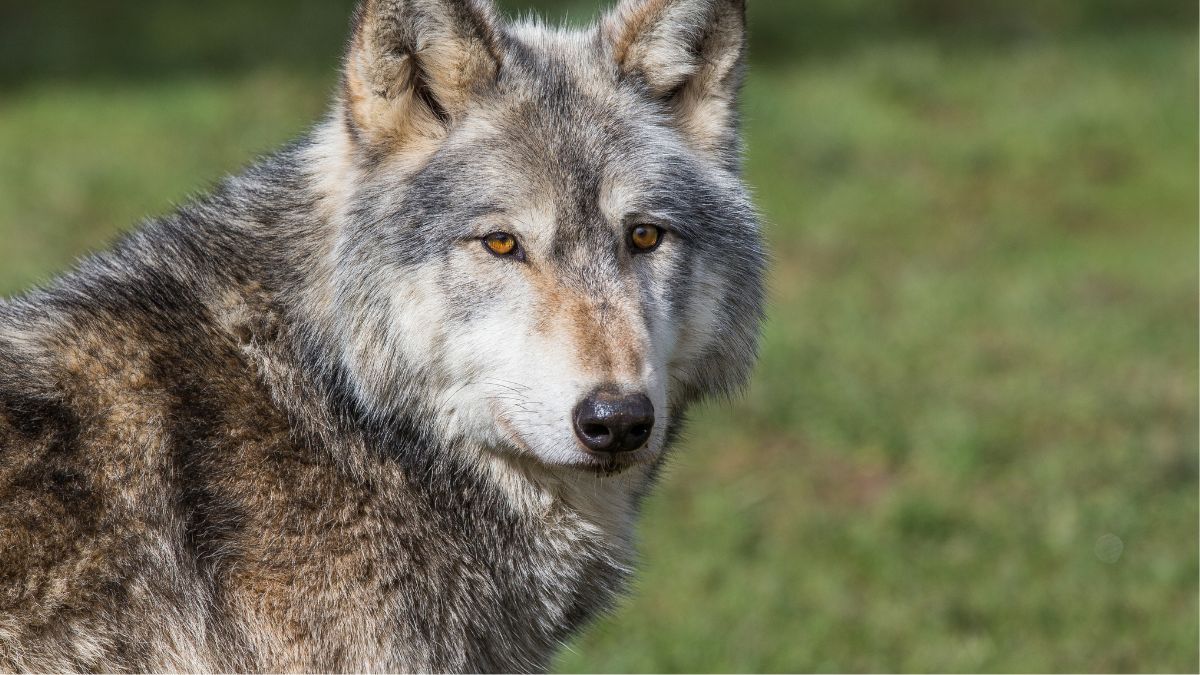
A wildlife park in southeast England has sparked widespread outrage and heartbreak after euthanizing its entire pack of five European grey wolves, citing a catastrophic breakdown in pack dynamics that left staff with no viable alternatives. Wildwood Trust in Herne Common, near Herne Bay in Kent, described the drastic measure as an “absolute last resort” following a severe escalation in aggression that resulted in multiple life-threatening injuries. The decision drew an immediate and emotional response from the public, with visitors, animal lovers, and conservation advocates expressing grief and frustration across social media platforms. For many, the loss felt deeply personal — these were not anonymous animals but a family with names, histories, and years of relationships with the people who cared for them.
The pack had called Wildwood home since 2018, when Nuna and Odin arrived from Switzerland and Sweden respectively and underwent a lengthy bonding process before being described as inseparable. By the following summer, their three cubs — Minimus, Tiberius, and Maximus — were born at the park. For years, the wolves appeared to thrive, with footage from as recently as last year showing the pack interacting normally within their enclosure. Then, without warning, everything changed. Paul Whitfield, director general of the Wildwood Trust, said that a few weeks ago the level of aggression within the pack “really exploded, completely unexpectedly,” describing the shift from a harmonious group to animals causing each other “quite serious harm” as “really distressing for everyone to see.”
Three of the five wolves sustained serious, life-threatening injuries, with one individual showing signs of sepsis. The charity stated that the severity of wounds was “extremely high” and that the instability within the pack made it impossible to safely intervene or provide necessary veterinary treatment. Staff and outside experts explored every possible alternative before arriving at their grim conclusion. Responding to backlash online, Wildwood explained that moving the wolves was not an option, stating that wolves are “highly social animals with complex pack structures, and once that breaks down in this way, relocation or separation is not safe or viable.” Attempting to sedate and relocate the animals in such a volatile state, the park argued, would have posed serious risks to both the wolves and the human team involved.
Whitfield explained that because the pack had deteriorated to such a severe degree, euthanizing only the three most seriously injured wolves was not a solution either, as the remaining two would simply continue fighting. “It was just an awful situation to be in,” he said. “At that point, the decision was taken that the only humane thing to do would be to euthanize all five of them at the same time.” A post-mortem conducted by the International Zoo Veterinary Group confirmed the extent of the animals’ suffering. A Wildwood Trust spokesperson said the post-mortem “confirmed that all five wolves demonstrated wounds, injuries and pathologies that it would not have been moral, or legal, to continue with,” and that “prompt pack euthanasia was the only viable option at this point.”
The public reaction was swift and divided. Many expressed deep sorrow for the animals and the staff who had bonded with them over years. One visitor wrote, “Devastated to see this. The wolves were so important and always my main reason to visit. Absolutely heartbreaking,” while another offered empathy, saying, “Have been there before with a pack I worked with… Very sad but completely understand. Thoughts are with the keepers.” Others directed their anger at the concept of keeping wolves in captivity at all. One commenter wrote, “In the wild they would at least be able to get away. This is why keeping packs and prides isn’t a good idea,” while another said, “This is a heartbreaking outcome that highlights why I don’t believe any animals, especially a pack, should be kept in cages.”
The debate has reignited broader conversations about the ethics of wildlife parks and whether they can ever truly serve the needs of highly social, wide-ranging species like wolves. Richard Morley, director of the Wolves and Humans Foundation, argued that captive wolves “contribute significantly” to education and support conservation of the species in the wild, adding that if there is hope to one day have wolves back in the UK, “it is important that people can see them in the flesh and learn more about them.” On the other side, Chris Lewis, captivity research and policy manager at Born Free, said it is “almost impossible” to maintain the complex and hierarchical social groups of species such as wolves in captivity. Whitfield himself acknowledged the difficulty, saying the wolves are “not an easy animal to keep in captivity,” and confirmed the park will now review whether it will continue housing wolves at all.
The Wildwood Trust has looked after wolves for more than 25 years. The 40-acre site is home to over 200 species, including bears, bison, and wild boar. In a statement, the park’s team described themselves as “heartbroken,” noting that many staff members had cared for these particular wolves for years and that the loss would be deeply felt by everyone connected to the park.
The European grey wolf once roamed across nearly all of the Northern Hemisphere before centuries of hunting and habitat destruction wiped out populations across much of Europe — in fact, wolves were hunted to extinction in Britain by around 1680, making the UK one of the earliest countries to lose them entirely. Pack dynamics in wolves are so intricate that researchers have observed packs self-organizing into complex hierarchies that shift with age, season, and family relationships, with bonds between individuals sometimes persisting for an animal’s entire lifetime. Wildwood had actually been involved in conversations about the potential reintroduction of wolves to parts of Scotland, making this loss particularly poignant for those who saw the park’s pack as ambassadors for the species’ future.
What are your thoughts on keeping wolves in captivity — do wildlife parks help or hinder the long-term survival of species like these? Share your views in the comments.