

The “Survivalist” Carry-On: 8 Tiny Tools That Could Save Your Life on the Trail
A well-packed carry-on is not only for airports. For hikers, road trippers, and weekend campers, a small kit of smart tools can mean the difference between inconvenience and real danger. Weather shifts quickly, trails change, and cell service disappears without warning. The right compact gear fits easily into a daypack yet delivers outsized protection. These eight tiny tools deserve space in any survivalist carry-on built for modern trail safety. Smart packing reflects experience, not paranoia. Preparation often determines how smoothly an unexpected moment unfolds.
1. Compact Emergency Whistle
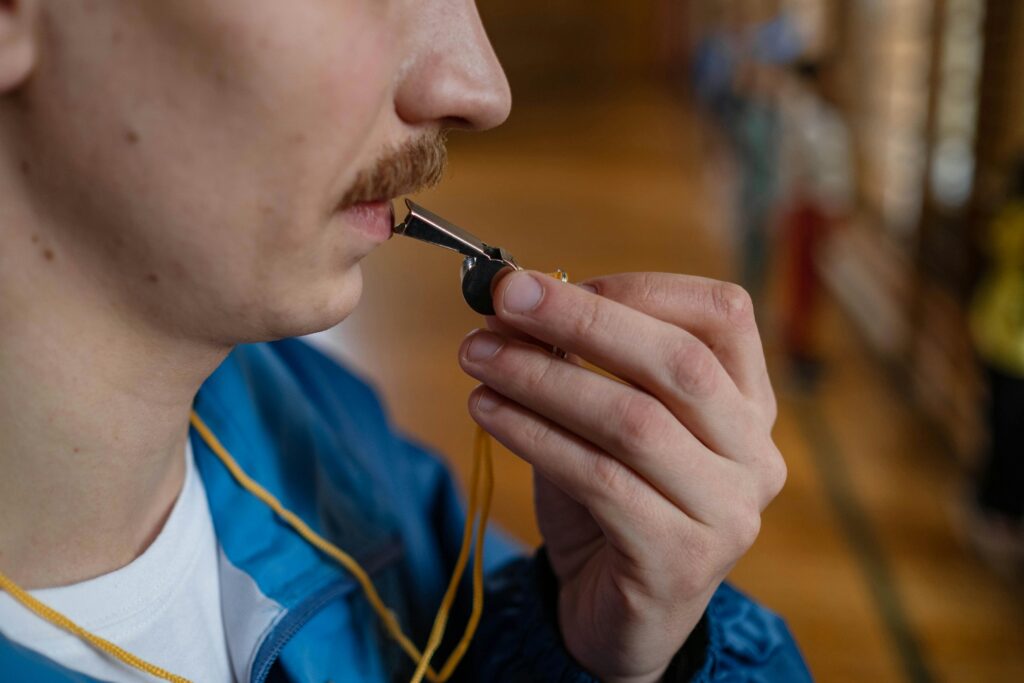
A whistle weighs almost nothing, yet it carries farther than a human voice in distress. Three sharp blasts are widely recognized as a universal distress signal, making it one of the simplest ways to call for help. Unlike shouting, a whistle conserves energy and works even when you are exhausted or injured. Many outdoor packs include one built into the sternum strap, but standalone versions are easily available and highly affordable. In low visibility conditions or dense forest, sound often travels more effectively than sight. This small tool can significantly increase your chances of being located quickly.
2. Lightweight Emergency Bivvy
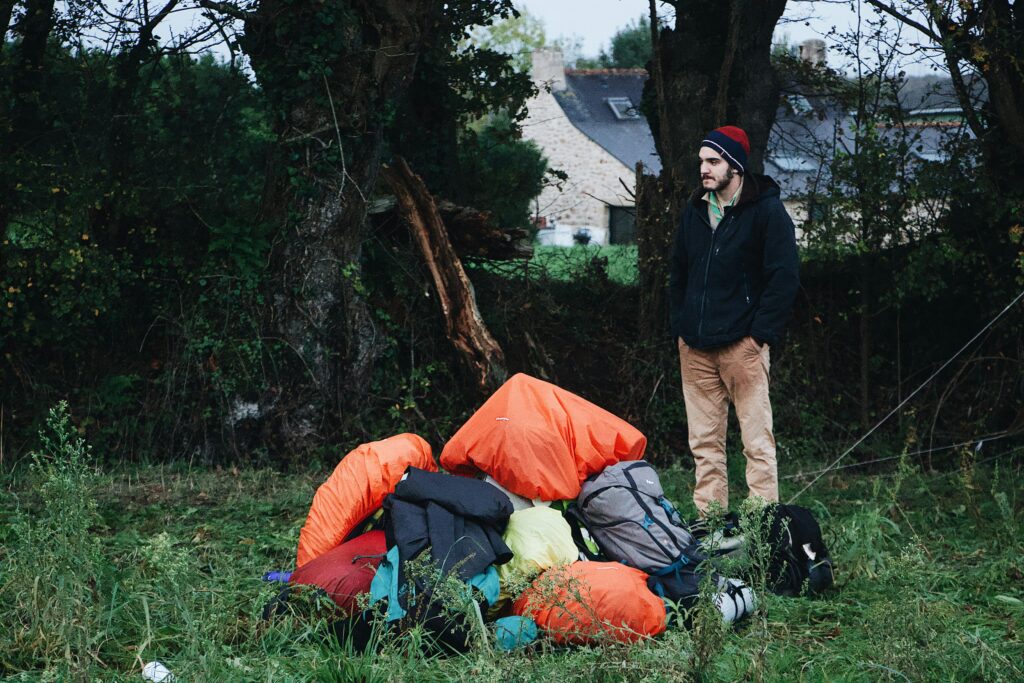
An emergency bivvy, often made from reflective thermal material, helps retain body heat during sudden exposure. Even in mild climates, temperatures can drop quickly after sunset or during storms. This compact shelter reflects body heat and blocks wind, reducing the risk of hypothermia. It folds to the size of a wallet and fits neatly into a side pocket. Many models are cost-effective and designed for single-use emergencies. For solo hikers especially, having a thermal barrier can transform a cold, frightening night into a manageable situation until help arrives. The material is surprisingly durable for its size.
3. Mini First Aid Kit
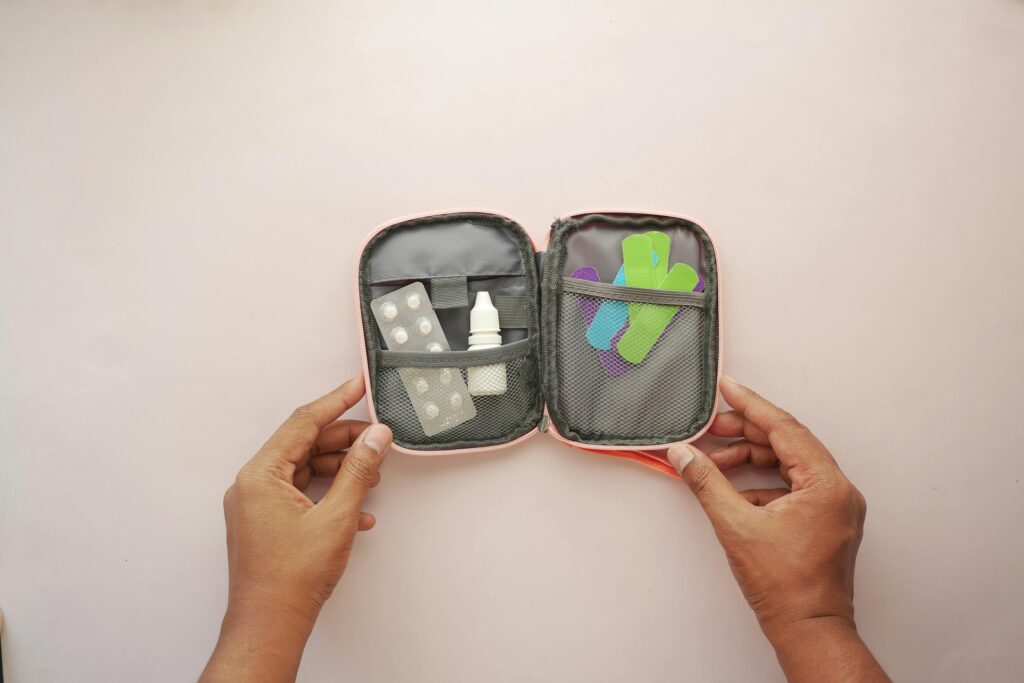
A small first aid kit tailored for trail use should include bandages, blister treatment, antiseptic wipes, gauze, and pain relief tablets. Minor injuries can become serious if untreated, particularly miles from assistance. Blisters, cuts, or sprains may not seem urgent at first, but can quickly limit mobility. Choose a compact, waterproof pouch that keeps supplies organized and easily available. Replenish items after each trip. Preparedness reduces panic and allows you to respond calmly to manageable injuries before they escalate into larger problems. The organization speeds up treatment time. Quick response often prevents complications.
4. Rechargeable Headlamp
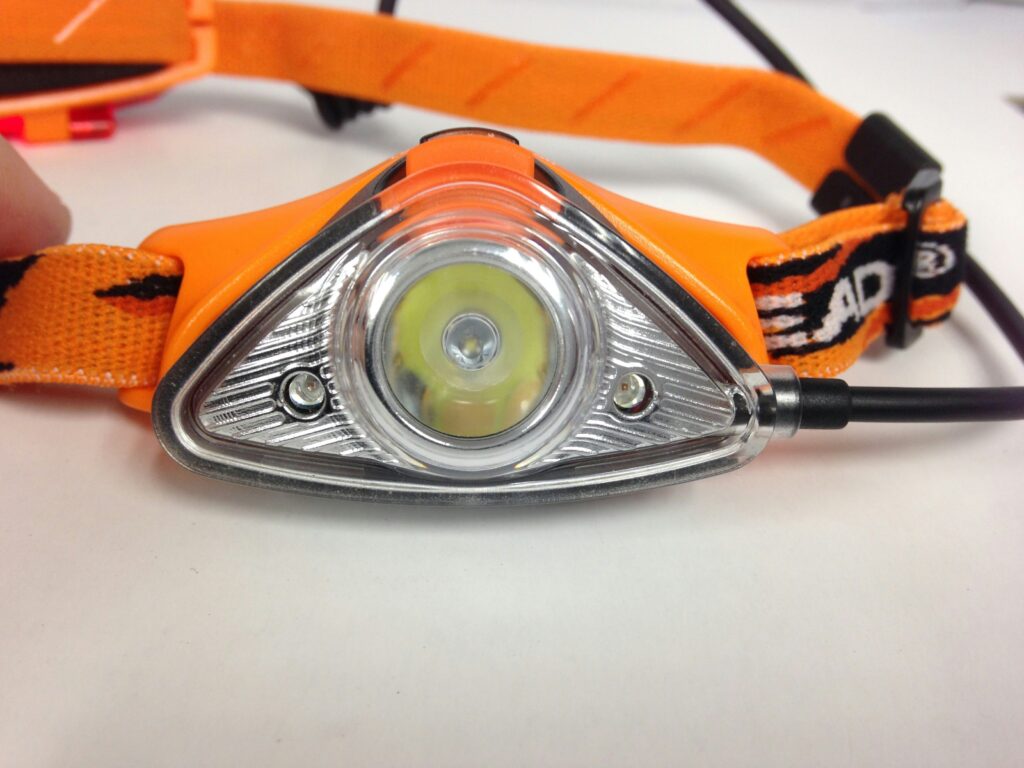
HEAD Accessories/unsplash
A headlamp frees your hands while providing steady illumination after sunset or inside dense forest cover. Trails that appear simple during daylight can become disorienting in darkness. A rechargeable model with adjustable brightness and emergency strobe mode adds flexibility. Compact designs are affordable and light enough to forget until needed. Reliable lighting prevents missteps, improves map reading, and helps signal your location if required. Even short hikes can extend unexpectedly, making dependable visibility essential rather than optional. Bright light also boosts confidence in unfamiliar terrain. Clear vision reduces avoidable risks.
5. Portable Water Filtration Straw

Dehydration impairs judgment and physical endurance, especially during long hikes. A portable filtration straw allows you to drink directly from streams or lakes by removing bacteria and parasites. While not a substitute for planning, it offers backup protection when water supplies run low. These devices are lightweight, easily available, and designed for repeated use. Access to clean water supports clear thinking and steady movement, both critical during emergencies. In survival scenarios, safe hydration often determines the outcome. Lightweight filtration reduces the need to carry excess water weight.
6. Multi-Tool with Knife and Pliers
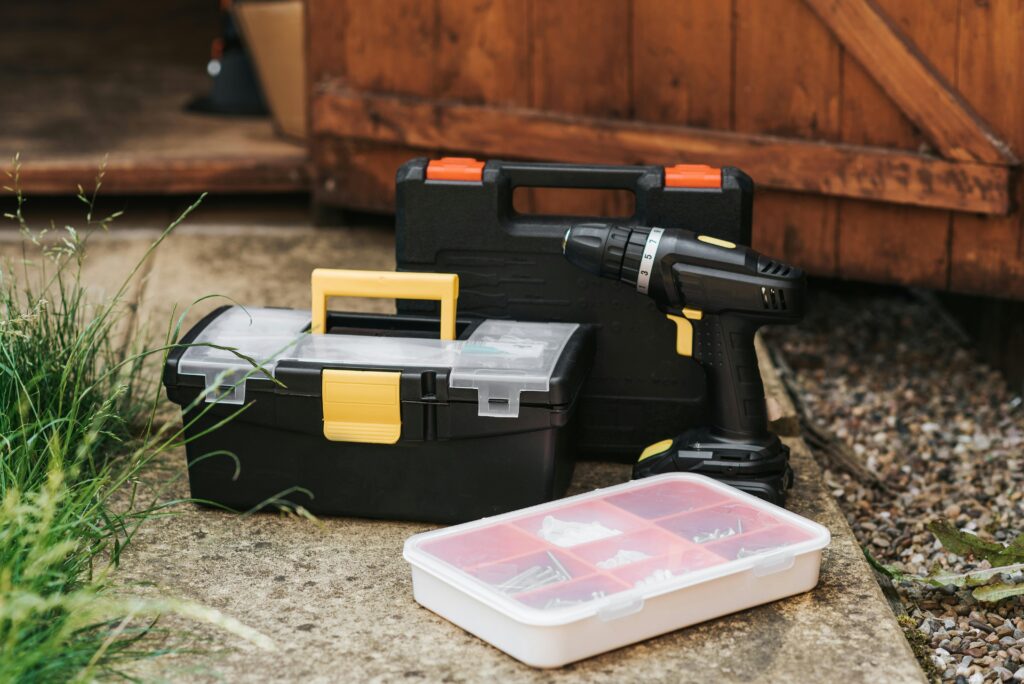
A compact multi-tool combines several functions into one small device. Basic versions include a knife, pliers, screwdriver, and small saw, covering many trail repairs. Whether tightening loose gear, cutting cordage, or preparing tinder, versatility matters. Select a durable but lightweight model that locks securely for safe handling. Many affordable options balance reliability with portability. Having multiple tools in one pocket-sized unit reduces pack weight while expanding problem-solving capability in unpredictable environments. Strong construction ensures long-term usefulness. Practical tools encourage creative solutions on the trail.
7. Compact Power Bank
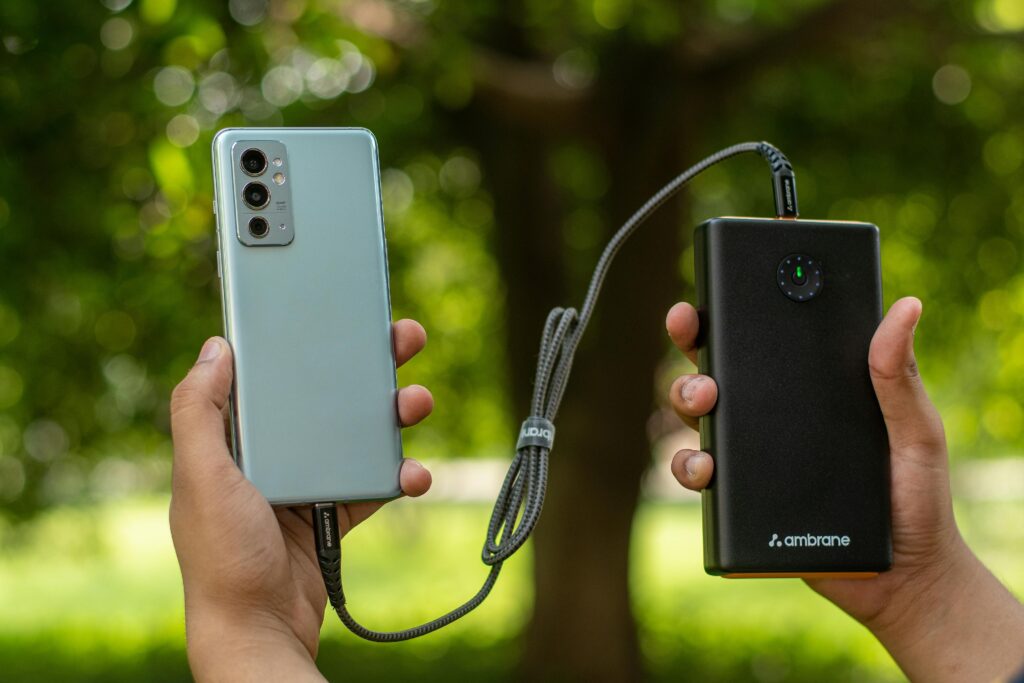
Even in remote areas, phones often serve as GPS units, emergency beacons, and weather monitors. A compact power bank ensures your device remains functional when battery levels drop. Choose a lightweight model with enough capacity for at least one full charge. Keep cables stored neatly to avoid damage. While conserving battery is wise, backup power provides reassurance when the signal briefly returns. Maintaining communication ability can be critical in urgent situations. A compact power bank helps ensure your phone remains a reliable tool for navigation, alerts, and emergency communication when it matters most.
8. Emergency Signal Mirror

A signal mirror reflects sunlight over long distances, making it an effective daytime rescue tool. When properly aimed, it can alert search teams or nearby hikers miles away. Unlike electronic devices, it requires no battery and functions reliably in clear weather. Many models include a sighting hole to improve accuracy. The mirror is small, durable, and easily available through outdoor retailers. In open terrain, reflected light may reach rescuers faster than sound, increasing visibility when it matters most. It weighs almost nothing in your pack. Visibility can be lifesaving in vast landscapes.


