

The “Main Character” Itinerary: How to Navigate the World on Your Own Terms.
Your trip doesn’t need a committee, a group chat, or a “we’ll see.”
The main character’s energy is simply solo travel on your own terms: choosing the vibe you want, building a light structure, and staying sharp.
Think one anchor activity per day, a few sit-and-exist spots saved, and walkable areas where you can pivot fast.
Add offline maps, a simple check-in routine, and a budget that buys comfort when it matters.
If this is your first solo trip, start small with a weekend in a nearby city, then level up.
Trust your instincts, romanticize the routine, and keep the plan flexible enough to feel like yours.
Main Character Energy: Destination by Feeling, Not Landmarks
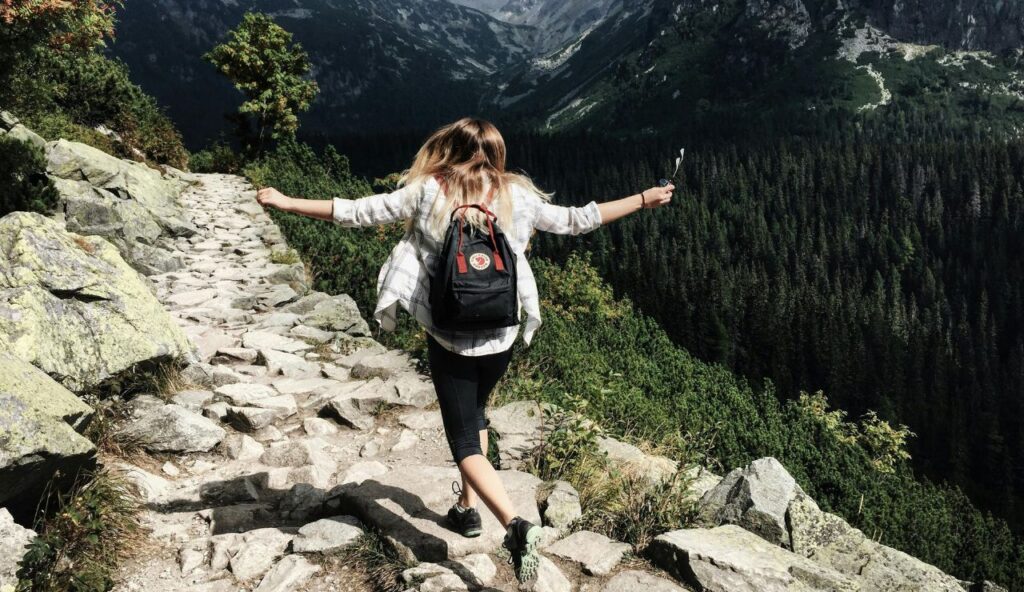
Pick the feeling first, then pick the place.
Ask: Do you want peaceful, electric, adventurous, or cozy?
That “design for your sensation” move keeps you from chasing landmarks you don’t even care about.
When you shortlist destinations, filter for walkability, reliable transit, and daytime energy.
It’s easier to build confidence when you can stroll to coffee, groceries, and a park without negotiating rides.
Also check the basics early: local norms for clothing, late-night transit, and any rules that affect entry, tickets, or ID.
Save three neighborhoods that fit your vibe, then choose your base from there.
One Anchor Activity a Day: Structure With Flexibility
Plan one anchor activity per day.
It can be a museum slot, a cooking class, a hike, or a market you refuse to miss.
That one anchor activity gives the day shape, but you’re not locked into a minute-by-minute schedule.
Around it, leave two open windows for delays, naps, or a surprise bookstore.
If you’re wondering where to start if you want to travel the world, this is it: repeatable structure with flexibility.
Book one dinner you’re excited about, then keep the rest casual for solo dining without stress.
Morning: slow mornings.
Midday: anchor.
Evening: simple plan near your base, no debates, no compromises.
Sit-and-Exist Spots: Saved Places List for Calm, Coffee, and Reset

Before you arrive, build a list of saved places.
Not just “things to do,” but sit-and-exist spots that reset your nervous system.
Pin cafés with bathrooms, bookstores with seating, parks with daylight foot traffic, and a quiet lobby-style hotel bar.
These become your safe trek breaks when the day feels loud or you need to regroup.
Romanticize the routine: same morning pastry, same bench, same view.
On a first solo trip or a start-small weekend trip, having pre-picked rest points stops you from wandering tired and unsure.
Drop them into offline maps, label them by mood, and you’ll always have a next move that feels grounded.
Walkable Areas + Offline Maps: Safety That Feels Like Confidence

Safety is what makes freedom possible.
Choose walkable areas with lighting, open shops, and easy exits.
Download offline maps and save your route back to your stay before you go out.
Do quick transition checks: leaving the room, entering transit, arriving somewhere new, heading back at night.
If something feels off, trust your instincts and change plans fast, cross the street, step into a staffed place, call a ride.
On trains and in cafés, pick seats with good sightlines and staff nearby.
Share your live location for long walks and set a daily check-in time.
Confidence isn’t ignoring risk; it’s moving early, on purpose.
Solo Dining Mindset: Self Love, Not Loneliness
Solo dining is not a punishment; it’s a power move.
Pick places where you’d happily eat even with friends, then show up as if you belong there.
If you’re nervous, start with lunch, counter seating, or a busy café in a nearby city.
Bring a small ritual, a notes app, a journal, a camera, or a book so you’re documenting your story instead of doom-scrolling.
Sit where you can see the room, order one “signature” item, and let the meal be self-love, not a performance.
If attention gets weird, pay, stand, and relocate without explaining.
The goal is a soft and safe trip where you feel seen by yourself first.
Budget on Your Own Terms: Comfort Line + “Is $20,000 Enough?” Reality
Money is part of traveling on your own terms.
Split funds across two places: a daily wallet and a backup card/cash.
Build a “comfort line” into your budget for nights when you need the safer option: a tracked ride, a better room location, or a guided activity.
If you’re asking, “Is $20,000 enough to travel the world?” it depends on your pace, the regions you visit, and how often you buy convenience.
Slow travel costs less per day, but only if you stop upgrading.
Start by pricing a two-week test run, set a daily cap, then scale.
Freedom comes from knowing what you can spend without stress, not from spending the least.
Social, But Selective: Public Plans, Clear Exits, Zero Pressure
Be social, but stay in the driver’s seat.
Choose connection points that are public and structured: walking tours, classes, museum talks, coworking cafés.
Keep details light until trust is earned, no room number, no exact solo plans, no “I’m here all week.”
If someone pushes urgency, secrecy, or a second location, that’s your exit sign.
Use Instagram, Facebook, or Lemon8 for inspiration, then confirm details with official pages and reviews.
Set a return time, share your plan with someone you trust, and leave while it still feels easy.
Your itinerary is yours, and your “no” is a complete sentence, always.


