The Dog Breeds That Experts Say Ease Anxiety Better Than Almost Anything Else
For centuries, humans have turned to dogs in moments of grief, loneliness, and uncertainty. Long before the language of therapy or wellness existed, people instinctively reached for a warm coat and a wagging tail when the world felt too heavy. That ancient bond has now drawn the attention of scientists, veterinarians, and mental health professionals worldwide, and the findings are reshaping how we think about emotional healing.
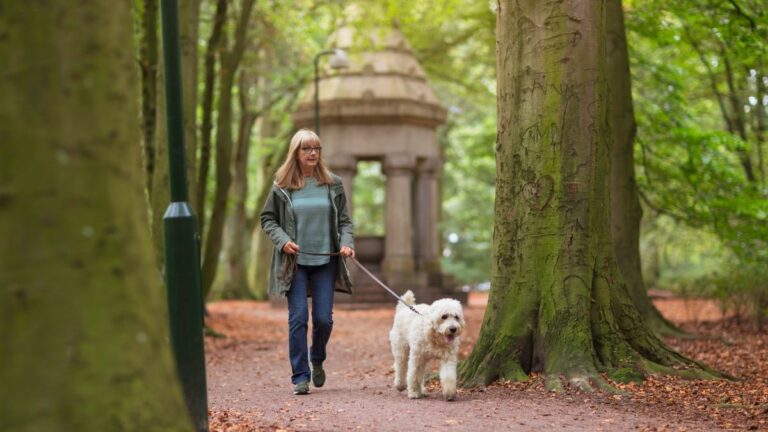
When navigating challenges such as anxiety, depression, or PTSD, the unwavering support of a loyal dog can be genuinely life-changing. Certain breeds are especially well-suited for therapeutic roles, their intuitive nature, calm temperament, and affectionate personalities making them ideal candidates for both emotional support and structured animal-assisted therapy programs. The science behind this is now difficult to dismiss. A study measuring brain activity found that playing with, walking, or stroking dogs reduced cortisol levels in humans and increased oxytocin, the hormone most associated with bonding and calm.
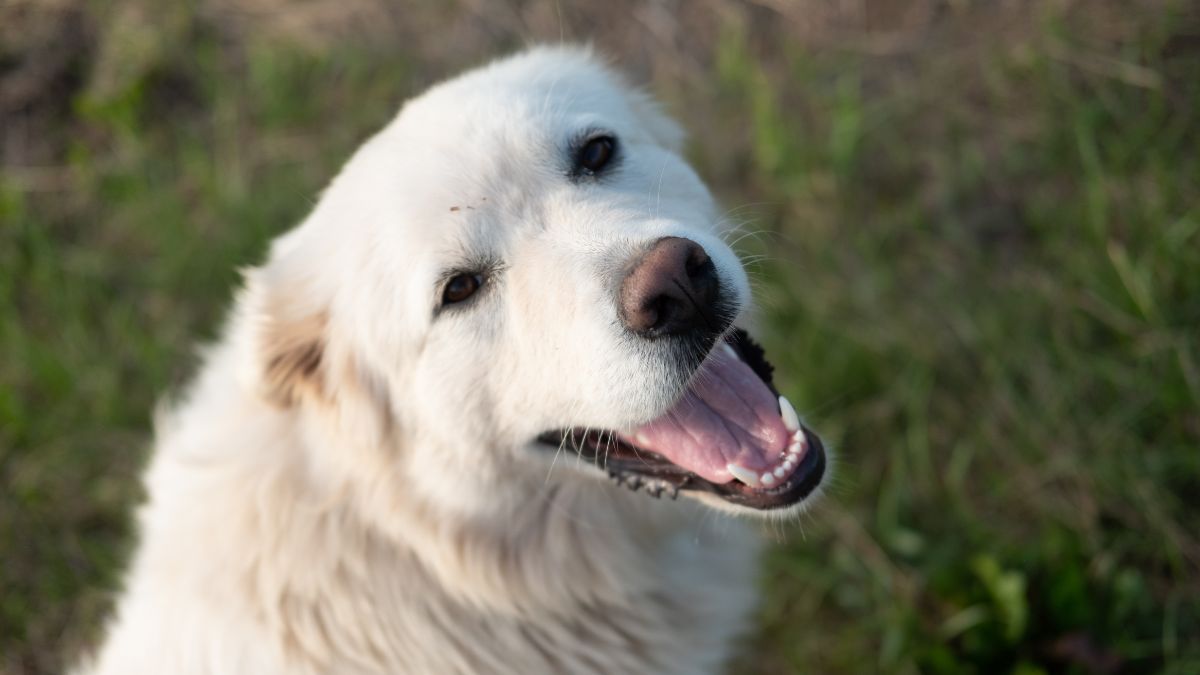
When it comes to which breeds deliver the most comfort to anxious owners, experts point to a familiar set of names. Veterinarian and trainer Gabre Denton notes that the best dogs for people with anxiety are calm, affectionate, and emotionally intuitive, singling out Golden retriever, Labrador retriever, Cavalier King Charles spaniel, Pugs, and Basset Hounds as breeds that connect deeply with humans and offer consistent affection. Golden Retrievers in particular are widely considered the ultimate therapy dogs, praised for their gentle temperament, intelligence, and ability to read human emotions, qualities that make them exceptional in hospitals, nursing homes, and support settings involving children.
The Cavalier King Charles Spaniel, a breed originally bred as a lapdog for royalty, possesses what many describe as a healing presence and an innate ability to detect anxiety, offering instant comfort through companionship and helping to lower stress levels in even the most demanding environments. Labrador Retrievers bring a different kind of reassurance. Labs are known for their loyalty, intelligence, and even temperament, and many caregivers and therapists appreciate how quickly these dogs sense emotional shifts and respond with affection or a gentle nudge.
For those considering a dog to work in formal therapy settings such as long-term care facilities, schools, or hospitals, experts recommend looking for high trainability paired with a calm disposition, qualities found in breeds like the Bernese Mountain Dog and Labrador Retriever, though smaller breeds such as the Beagle or Toy Poodle can also thrive in these roles. Poodles offer an added advantage for allergy-prone individuals, as their hypoallergenic coats mean that no one needs to miss out on the comfort of canine companionship, while their sensitivity to human emotions allows them to sense when someone needs comfort before a word is spoken.
Research has found that interacting with dogs for just fifteen minutes reduced perceived stress in participants by more than twenty-seven percent, with human-dog interactions encompassing activities like seeing, hearing, touching, and simply being together providing meaningful co-regulation support. A landmark study confirmed that service dogs significantly reduce anxiety and depression compared to standard care alone, with dogs acting as both a social lubricant and a form of security, helping people re-engage with daily life and community.
The conversation around therapy animals and mental health is only deepening, with researchers, clinicians, and everyday dog owners alike sharing stories that numbers alone cannot fully capture. Whether it is a Labrador pressing close during a panic attack or a Cavalier simply settling its warm weight across a lap at the end of a difficult day, the healing feels both ancient and newly understood.
Which breed do you think makes the best companion for someone living with anxiety, and does your own dog have a way of knowing exactly when you need them most?