Meet Oulu, Finland’s Extraordinary 2026 European Capital of Culture That Literally Rose From the Ashes
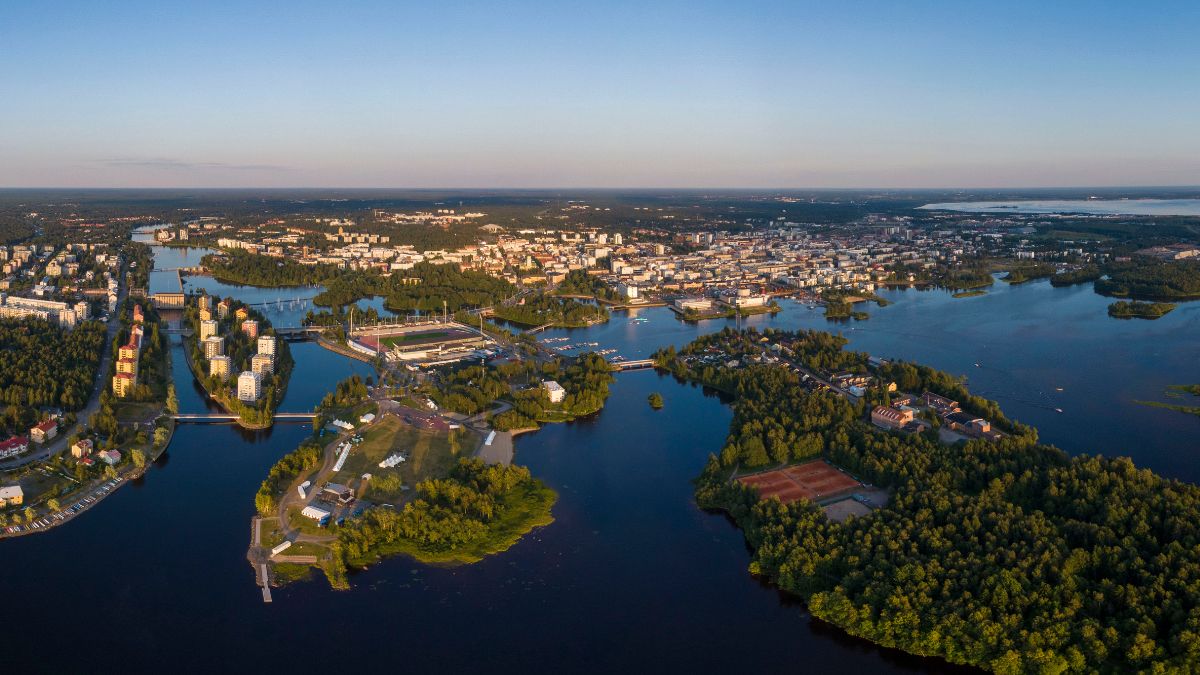
Tucked along the shores of the Gulf of Bothnia, where the Oulu River spills into the sea, sits a city that defies easy description. With more than 216,000 residents, Oulu is Finland’s fifth largest city and the unofficial capital of its north. On the surface it looks like a sleek modern metropolis, widely recognized as the Silicon Valley of the North for its deep roots in wireless technology. But underneath that high-tech exterior, there is a soul shaped by pine tar, fire, and a delightfully offbeat sense of humor.
The story of Oulu is really a story of extraordinary resilience. Swedish King Charles IX founded the city in 1605, and for centuries it thrived as a global hub for exporting pine tar, the essential coating that kept wooden ships watertight and seaworthy. What most people do not know is that Oulu burned to the ground not once, not twice, but ten times throughout its history. After the most devastating fire in 1822 wiped out nearly the entire city center, the rebuilding effort was handed to celebrated architect Carl Ludwig Engel, the same man behind Helsinki’s grand neoclassical downtown. His elegant, open urban layout still forms the heart of Oulu today.
The city’s transformation into a technology powerhouse happened in the latter half of the twentieth century, driven by the founding of the University of Oulu and the arrival of giants like Nokia. Oulu became a global center for wireless technology development almost overnight, in Finnish terms at least. That pattern of rebuilding and reinventing itself, again and again, feels deeply connected to the Finnish concept of sisu, a word that roughly translates to a gritty, quiet courage in the face of hardship. Few places on earth embody that idea quite as convincingly as Oulu does.
One of the first things any visitor notices is the sheer number of people on bicycles. Oulu holds the unofficial title of the world capital of winter cycling, and it earns that title every single day of the year. The city maintains nearly 620 miles of dedicated cycling paths, and crews clear them of snow before they touch the main roads. Even when temperatures plunge well below freezing, thousands of residents pedal to work, school, and the grocery store without a second thought. Locals will joke that the wind in Oulu always blows directly into your face no matter which direction you are heading, but even that does not slow them down.
The cultural life of the city is just as distinctive as its weather habits. The most beloved landmark in all of Oulu is the Toripolliisi, a round and cheerful bronze statue of a policeman standing watch over the city’s main market square. Getting a photo with him is practically a rite of passage for anyone passing through. Just a short walk from the square, across a pedestrian bridge, lies the charming island of Pikisaari, a former industrial zone that has been lovingly transformed into a colony of colorful wooden houses where artists and craftspeople live and work.
Then there is the festival that put Oulu on the world’s most unexpected list of must-visit destinations. Every August, the city hosts the Air Guitar World Championship, drawing competitors from dozens of countries to perform their most passionate, guitar-free solos. According to National Geographic, the event carries a beautifully sincere message of peace, built on the idea that wars would end and the world’s troubles would fade if every person on earth played air guitar. It is absurd, joyful, and somehow completely in line with everything Oulu represents.
This is a city that has burned, rebuilt, innovated, and somehow managed to keep its sense of humor intact through all of it. The combination of Nordic quiet and creative wildness, of cutting-edge technology and deep respect for nature and history, is exactly what earned Oulu the title of European Capital of Culture for 2026. It is cold up there, yes, but in the warmest possible way. If Oulu sounds like a place worth exploring, drop your thoughts in the comments and let others know what draws you to this remarkable corner of Finland.