

Leash Laws and Liability: Who is Legally Responsible if Your Pet Bites Someone While on Vacation?
Travelling with pets is common, but a bite incident can turn a vacation into a legal mess in a hurry. Liability usually hinges on local leash rules, where the bite happened, and whether the dog’s handler acted reasonably in that moment.
Because ordinances vary by state, county, and even the specific park, beach, or resort property, the same scenario can be treated very differently across town lines.
This article breaks down the most common liability frameworks, the role of leash laws on vacation, and the practical steps that protect both the injured person and the pet owner after an incident. It’s information, not legal advice.
How leash laws change the liability math
Leash rules are often the first question after a bite because they help establish negligence or a statutory violation. If a dog was required to be leashed and wasn’t, that fact can strengthen a claim that the handler failed to use reasonable care.
Some places also require specific leash lengths, muzzle rules for certain dogs, or extra control in crowded areas like boardwalks and festivals.
Separate from leash tickets, states use different bite standards, including strict liability and “one-bite” style negligence rules, which change what must be proven. On vacation, your “home” rules don’t travel with you.
Who can be responsible besides the dog owner?
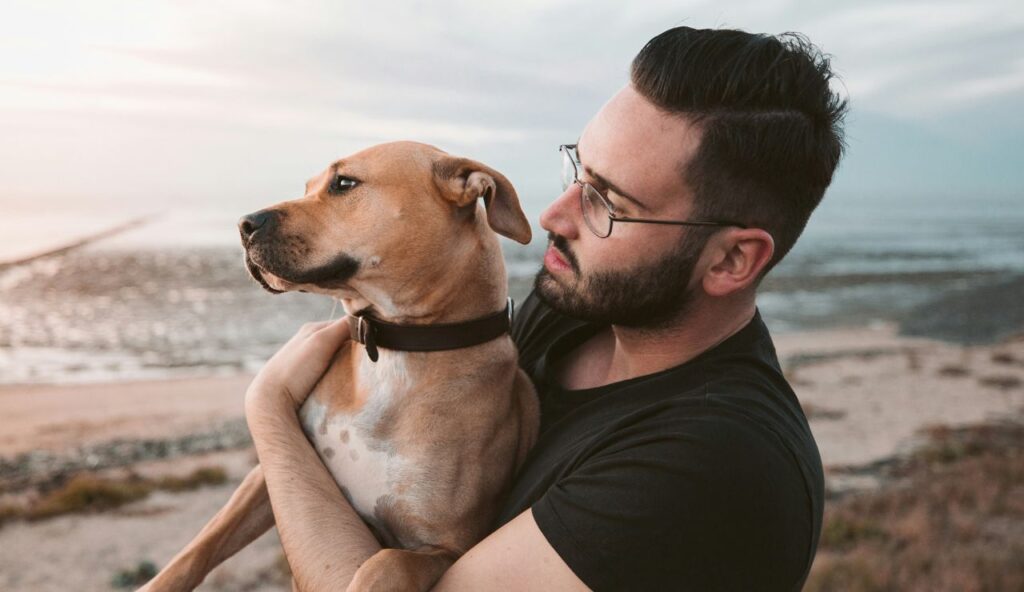
In most cases, the dog’s owner or the person handling the leash is the primary liable party, especially if they brought the animal to the destination. That said, other parties may be pulled in depending on the facts.
A vacation rental host or property manager may face claims if they knew about a dangerous dog on-site and failed to warn or enforce pet policies. A tour operator or pet-friendly venue might be questioned about crowd control and safety rules.
Shared fault is possible when multiple people contributed to the risk. Liability can shrink if the injured person trespassed or clearly provoked the dog, depending on local law.
What to do immediately after a bite on vacation
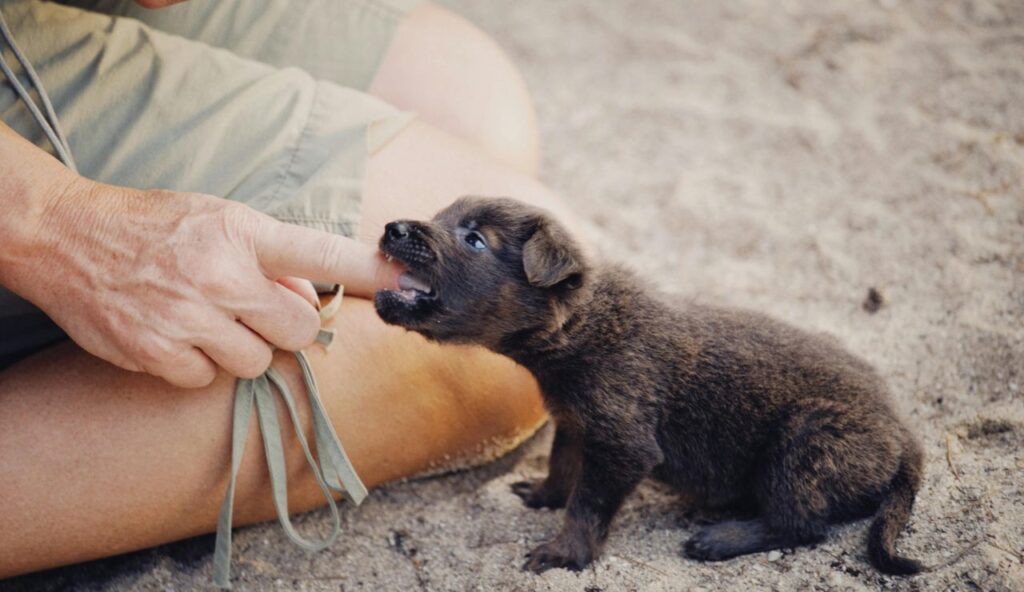
Treat the bite like a medical and reporting issue first, not an argument. Wash the wound with soap and running water, control bleeding, and get medical care, especially for deep punctures or bites to the hands and face.
Exchange contact details, verify the dog’s rabies vaccination status if possible, and take clear photos of the injury and location.
Many destinations require reporting animal bites to local authorities or animal control so the dog can be observed under public health rules. If you feel unsafe, create distance and call local emergency services. Avoid admitting fault on the spot; focus on the facts and care.
Insurance and documentation that matter
Dog-bite costs can include urgent care, stitches, antibiotics, time off work, and sometimes follow-up shots, so documentation matters. Travellers should know which policy might respond: homeowners or renters liability, an umbrella policy, or a speciality pet liability rider.
On a trip, keep a simple incident record: date and time, witness names, leash status, signage, and any communications with a host, hotel, or tour company.
If you’re staying in a rental, ask for the property’s insurance contact rather than relying on the platform’s “coverage,” which may have limits and exclusions. Prompt notice to insurers can prevent claim denials.
How to reduce risk before and during travel

Prevention is mostly boring logistics, which is exactly why it works. Before you travel, check the leash rules for parks, beaches, and downtown areas, and confirm your dog’s vaccinations are up to date.
Use gear that matches the environment: a sturdy leash with a secure clip, a well-fitted harness, and a backup tether for crowded check-ins. Manage triggers by avoiding tight spaces like elevators when your dog is stressed, and don’t let strangers approach without consent.
If your dog has a bite history or high reactivity, reconsider busy attractions and choose quieter, pet-friendly routes instead.


