Is Your Pet Drinking Enough? Hydration Guide for Extreme Summer Heat
When summer temperatures climb and the air feels thick with heat, most pet owners think to set out a bowl of water and call it done. But as veterinarians increasingly warn, casual hydration habits that work fine in spring can fall dangerously short once a heatwave settles in, leaving beloved animals quietly vulnerable before any visible signs of trouble appear.
Unlike humans, dogs and cats cannot rely on sweating to regulate their body temperature. Instead, dogs cool themselves primarily through panting, while cats manage with grooming and minimal sweating through their paw pads. This biological reality makes them far more vulnerable to overheating and rapid fluid loss, particularly when humidity levels rise and their cooling systems struggle to keep pace.
The question of exactly how much water a pet actually needs during hot weather has a clearer answer than many owners expect. On average, dogs should drink roughly half to one ounce of water per pound of body weight each day, while cats need approximately 3.5 to 4.5 ounces for every five pounds of body weight. During hot summer weather, active dogs may need even more than those baseline amounts, particularly as fluid loss through panting accelerates.
Diet plays a surprisingly significant role in how much additional drinking a pet needs. Dogs eating dry kibble typically drink considerably more water than those on canned or fresh food, because dry food contains very little moisture to begin with. For cats especially, opting for higher moisture diets can meaningfully support overall hydration, and offering water breaks every 15 to 20 minutes during any outdoor exercise helps maintain safe fluid levels.
Knowing the warning signs of dehydration can make the difference between a quick recovery and a veterinary emergency. Key symptoms include lethargy, sunken eyes, dry or tacky gums, and a noticeable loss of skin elasticity, alongside rapid heart rate and unusual weakness. A simple at-home check involves gently pinching the skin near a dog’s shoulder: if it springs back immediately, hydration is likely fine, but if the skin stays pinched or returns slowly, the animal needs water and potentially a vet visit right away.
Certain animals face a higher baseline risk and deserve extra attention during hot spells. Flat-nosed breeds such as pugs and bulldogs, as well as elderly and overweight dogs, are at particularly high risk for overheating and should be monitored closely. Cats are naturally less inclined to drink water than dogs, which makes feline dehydration harder to detect early, and since cats tend to hide signs of illness, even mild dehydration can become serious before symptoms become obvious.
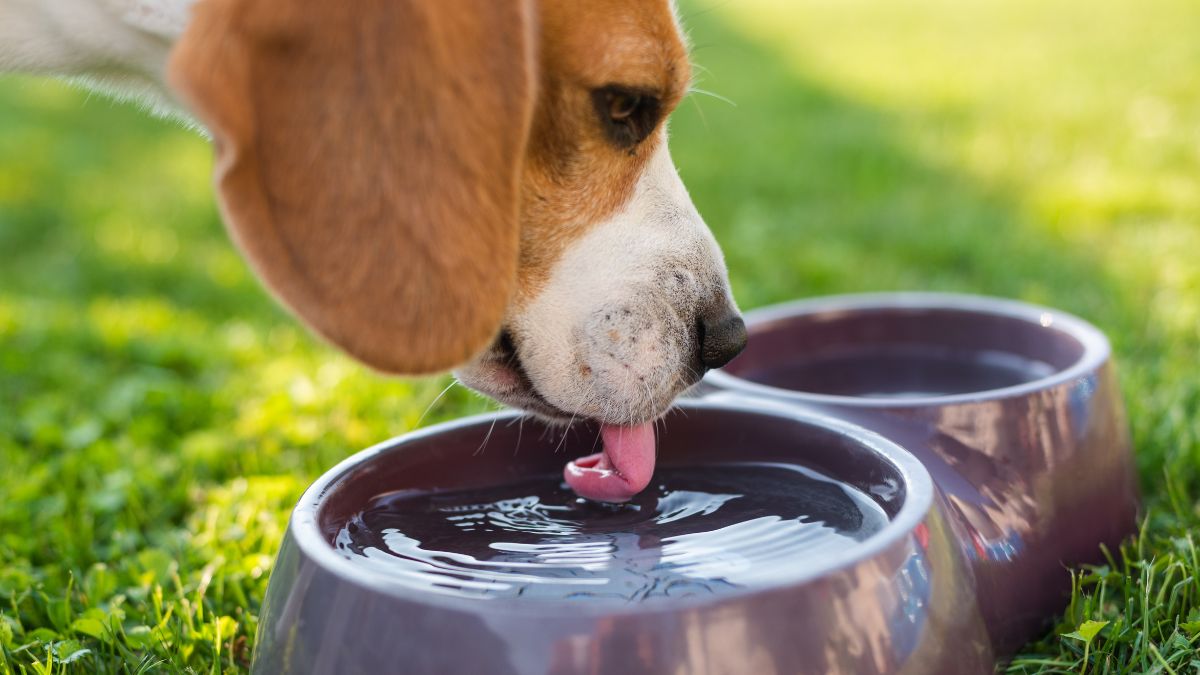
Practical steps can go a long way toward keeping pets safe through a heatwave. Offering a variety of bowl types, such as ceramic and stainless steel, placed in multiple locations around the home, can encourage more frequent drinking, and adding water directly to dry food is a reliable way to boost fluid intake for pets that resist drinking on their own. Placing water bowls in shaded, cool areas, limiting outdoor activity to early morning or late evening, and never leaving pets in parked cars remain the most critical protective measures any owner can take.
If these summer hydration habits have prompted you to rethink how you care for your pet during heatwaves, we would love to hear what tricks or routines you have found most effective at keeping your dog or cat properly hydrated when temperatures spike.