

Is Your Breed Banned? 10 Surprising International Travel Laws for Pet Owners
Traveling internationally with a pet requires more than booking a flight and packing treats. Many countries enforce breed restrictions, quarantine rules, and entry requirements that even experienced pet owners may not be aware of. Some regulations focus on safety, others on public health, and a few reflect local insurance policies. Before planning a global trip, it is essential to understand how laws vary across borders. These ten surprising international rules could directly affect your travel plans. Assumptions can lead to denied boarding or entry. Preparation protects both your pet and your itinerary.
1. The United Kingdom’s Strict Breed Ban

The United Kingdom enforces the Dangerous Dogs Act, which prohibits specific breeds, including Pit Bull Terriers, Japanese Tosa, Dogo Argentino, and Fila Brasileiro. Even mixed breeds resembling these dogs may face scrutiny at entry points. Authorities can deny entry or require seizure if a pet is identified as banned. Documentation alone does not override breed classification. Travelers must research carefully and consult official government guidance before attempting to enter with a restricted breed. Visual assessment may influence decisions at the border. Breed appearance can matter as much as pedigree paperwork.
2. Germany’s State-Level Breed Restrictions
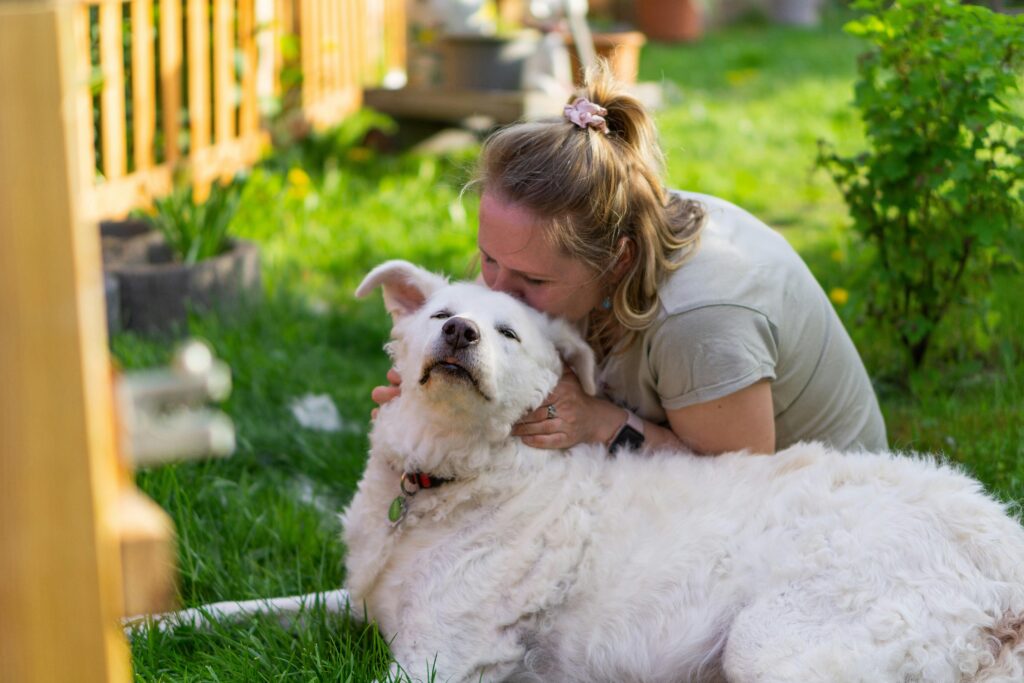
Germany does not apply a single nationwide ban. Instead, each federal state maintains its own list of restricted breeds. Some states require temperament testing, special permits, or additional insurance coverage. Owners relocating or traveling temporarily must review regulations for their specific destination within Germany. Requirements can differ significantly between regions, making preparation essential for smooth entry. A dog approved in one state may face limits in another. Local compliance rules often extend beyond simple entry clearance. Registration paperwork may need to be filed shortly after arrival.
3. Australia’s Comprehensive Import Controls

Australia maintains some of the strictest biosecurity laws in the world. Several dog breeds are banned outright, including the American Pit Bull Terrier and Dogo Argentino. Even approved breeds must complete detailed health certifications and quarantine procedures. Rabies-free status is mandatory, and documentation must be precise. Entry without full compliance is not permitted. Planning months in advance is often necessary. Testing timelines are strictly monitored. Missing a single step can reset the entire process. Approved veterinary labs must conduct specific blood tests. Quarantine reservations must often be secured before travel confirmation.
4. Singapore’s Import Categories and Quarantine Rules
Jiawei Chen/unsplash
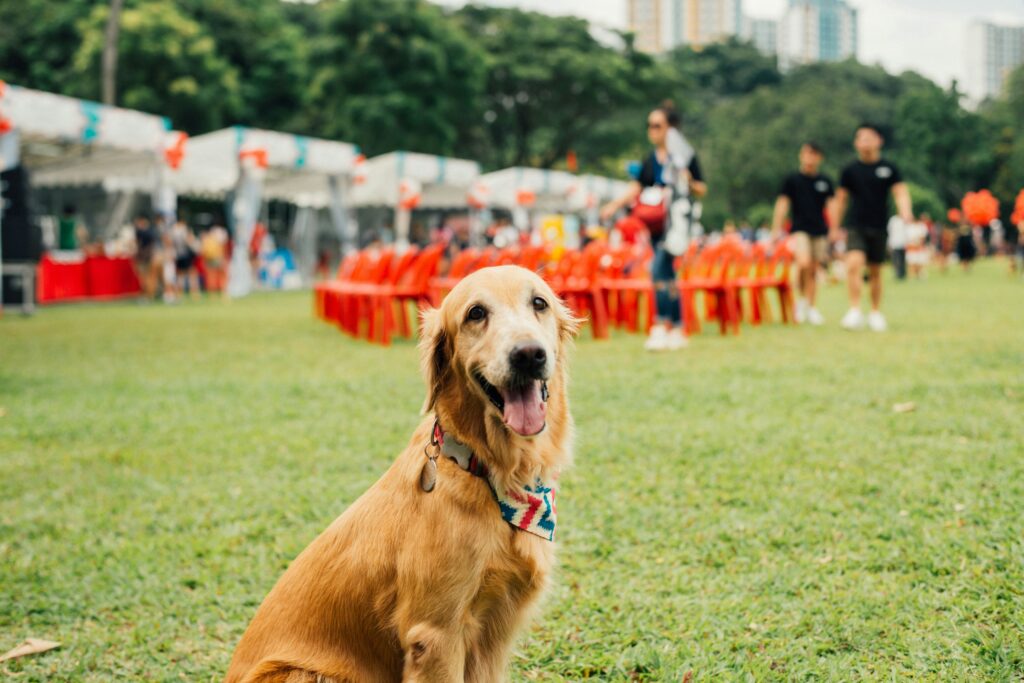
Singapore categorizes countries based on rabies risk, which affects quarantine duration. Certain breeds, including Tosa and Pit Bulls, are restricted or banned. Additional conditions may apply, such as sterilization requirements or special licensing. Microchipping and vaccination records are mandatory. Even approved breeds can face extended quarantine if documentation is incomplete. Thorough preparation significantly reduces delays. Authorities verify paperwork carefully upon arrival. Small errors can lead to longer holding periods. Import permits must be obtained before departure. Compliance inspections may occur before final release.
5. United Arab Emirates Breed Prohibitions

The United Arab Emirates prohibits the ownership and importation of specific breeds considered aggressive. This includes several mastiff and terrier types. Travelers attempting entry with a restricted breed may face denial at customs. Veterinary health certificates and import permits are required for approved breeds. Regulations are enforced strictly, so verification with official authorities before travel is essential. Airlines may apply additional screening rules. Compliance must align with both aviation and national standards. Documentation must be attested by authorized veterinary bodies.
6. Norway’s Absolute Breed Ban

Norway enforces a complete ban on several breeds, including the American Pit Bull Terrier, Fila Brasileiro, and Tosa Inu. There are no exceptions for short-term visits. Dogs suspected of belonging to restricted categories can be confiscated. Proof of lineage and breed documentation may be required at entry. Owners should confirm breed eligibility well before booking flights. Authorities do not allow temporary waivers. Strict enforcement leaves little room for interpretation. Border officials may rely on physical assessment in addition to paperwork. Travelers bear full responsibility for proving compliance.
7. France’s Category System for Dogs

France classifies certain breeds into two legal categories. Category 1 dogs, often unregistered or resembling specific mastiff types, are banned from importation. Category 2 dogs may enter but must meet strict conditions, including registration and insurance requirements. Public muzzling and leash rules also apply. Visitors must ensure compliance to avoid penalties. Documentation may be requested during routine checks. Insurance proof is often mandatory for restricted breeds. Owners may need to carry identification records at all times. Local authorities can enforce additional municipal safety regulations.
8. Japan’s Rabies Documentation Requirements

Japan does not impose widespread breed bans, but it enforces rigorous rabies testing and documentation rules. Pets must complete specific antibody testing months before arrival. Failure to meet timelines can result in quarantine lasting up to 180 days. Accurate paperwork submission before departure is critical. Many travelers underestimate the lead time required. Pre-approval documentation is highly recommended. Planning minimizes unexpected confinement. Official forms must match strict formatting standards. Advance notification to animal quarantine services is required before arrival.
9. Denmark’s Restricted Breed List

Denmark bans several breeds, including the Pit Bull Terrier and Dogo Argentino. Entry with these breeds is prohibited, even for temporary stays. Identification documentation and vaccination records are mandatory for approved breeds. Owners should also verify airline policies, which may impose additional breed limitations beyond national law. Border officials enforce regulations consistently. Documentation must match the pet’s microchip information precisely. Owners should retain copies of all veterinary certifications during travel. Travelers should confirm breed status directly with Danish authorities before departure.
10. Turkey’s Import Permit and Microchip Requirements
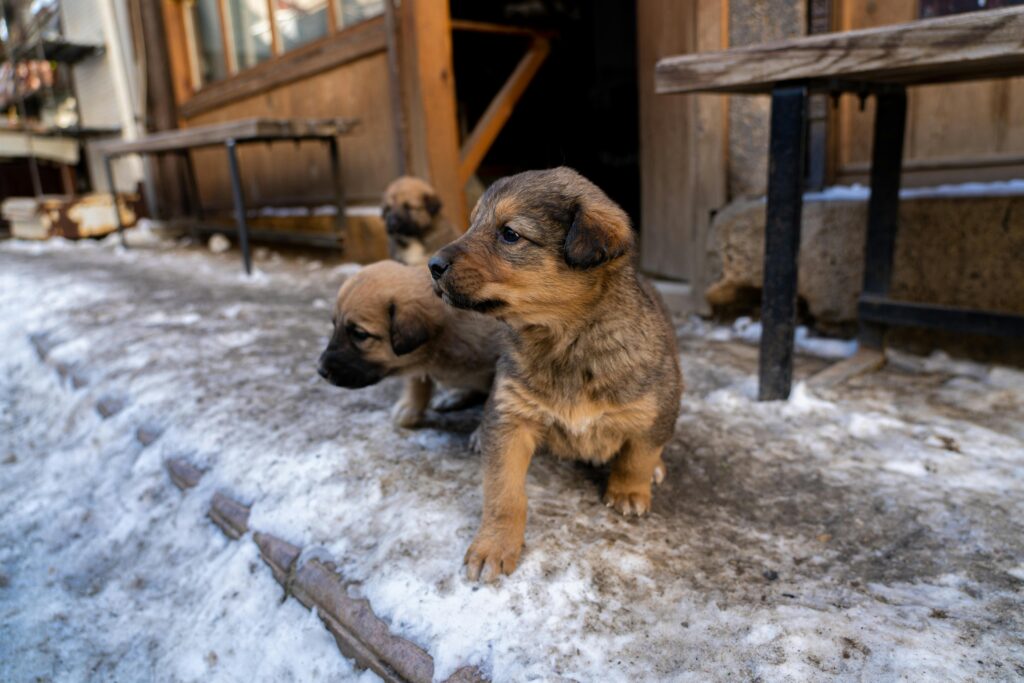
Turkey requires an official veterinary health certificate, updated vaccinations, and microchip identification for entry. Certain breeds may face scrutiny depending on local regulations. Import permits are required before arrival. Incomplete paperwork can result in entry delays or denial. Planning ensures smoother customs clearance. Health certificates must follow official templates. Documents typically need endorsement by authorized veterinary authorities. Advance coordination with airlines can prevent last-minute complications. Officials may verify documentation against microchip scans upon arrival.