Instead of a Paradise Beach, a Nightmare Awaits: “You Just Come, Take Photos and Have to Leave”
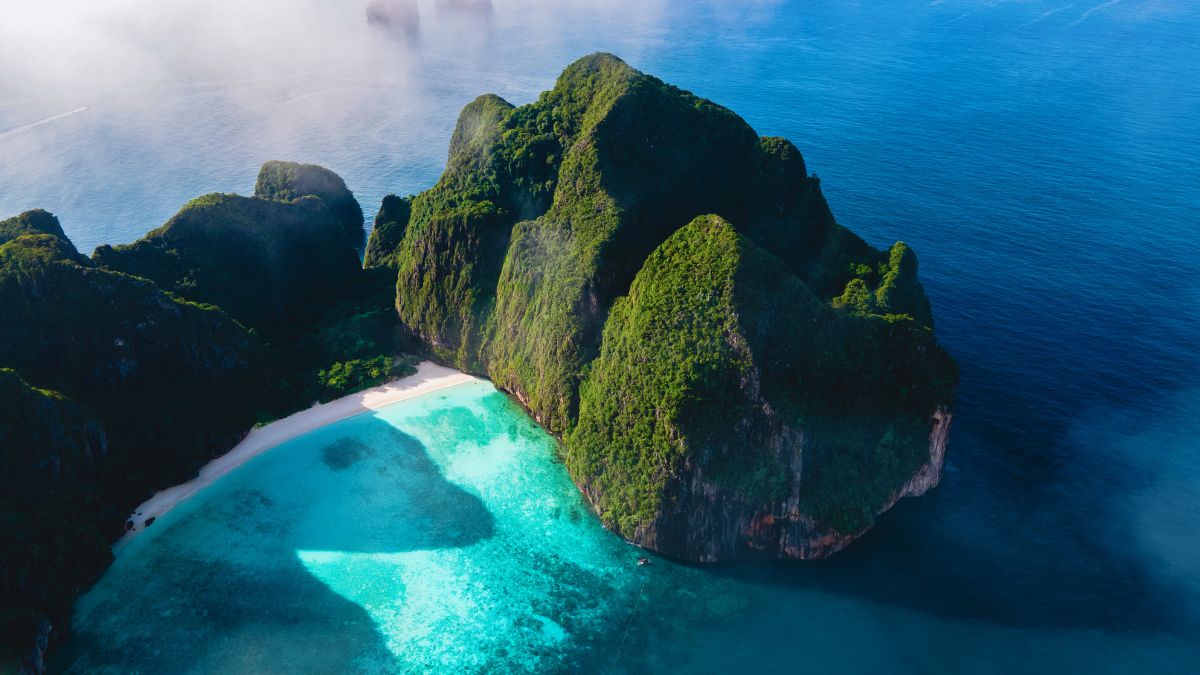
The Koh Phi Phi islands in Thailand were once the kind of destination that felt like a well-kept secret. Tucked away in the Andaman Sea, the archipelago is home to dramatic limestone cliffs, pristine white-sand coves, and turquoise waters teeming with tropical fish. For years, it quietly attracted travelers looking for something truly extraordinary. Then came the 2000 film ‘The Beach’, directed by Danny Boyle and starring Leonardo DiCaprio, and everything changed.
The movie turned Maya Bay on the island of Koh Phi Phi Leh into one of the most sought-after spots on the planet. Thousands of tourists began making the pilgrimage every year, hoping to swim in the same impossibly blue water and lounge on the same golden sand they had seen on screen. A video that recently circulated on Reddit tells a very different story, showing hundreds of visitors crammed shoulder to shoulder near the pier, even before reaching the bay itself. The reaction online was swift, with one commenter writing that nothing about the scene looked remotely fun and another saying he had visited the previous month and found the crowds so overwhelming it simply was not enjoyable at all.
The damage had been mounting long before that video went viral. Koh Phi Phi Leh was closed for three full years after tourism fueled by the film devastated its coral reefs and threatened the local population of blacktip reef sharks. When it reopened in January 2022, authorities introduced timed entry slots, caps on the number of boats allowed to dock, an overnight ban, and a prohibition on wearing sunscreen in the water. The situation improved compared to 2018, but as tour operator Koh Tours noted, limiting boats to a few hundred visitors at a time still means several hundred people standing in the same shallow bay at once.
The bigger island, Koh Phi Phi Don, has not escaped the chaos either. Koh Tours described the village at Tonsai Bay as having more foot traffic per square meter than most Thai cities. It is not simply a matter of peak-season crowds becoming slightly inconvenient. The level of congestion has fundamentally changed what a visit there actually feels like for the average traveler.
Jub Yata, a destination manager at Intrepid Travel, a company specializing in sustainable tourism, put it plainly. “Currently, you just come, take photos and have to leave,” she said. “Everyone wants to see the beach from DiCaprio’s film. It is beautiful, I cannot deny that, but there are simply too many people.” Her company has shifted focus toward guiding visitors to less-trafficked but equally stunning nearby islands. Koh Thap is celebrated for a remarkable low-tide phenomenon where a sandbar emerges and connects three islands, Koh Poda offers near-total seclusion and has been described by travelers as a deserted Robinson Crusoe-style getaway, and Koh Khai near Phuket provides excellent snorkeling and swimming well away from the worst of the crowds.
The story of Koh Phi Phi is far from unique. Overtourism has become a genuine crisis for popular destinations around the world, from packed European old towns to coastal hotspots buckling under the weight of their own fame. A place can be genuinely breathtaking and simultaneously impossible to enjoy, which is a contradiction that more and more travelers are encountering firsthand. The dream of finding paradise tends to survive right up until you arrive and realize that several hundred fellow dreamers had exactly the same idea.
If you have ever landed at a dream destination only to find the magic buried under a crowd, share your experience in the comments.