

Expert Advice: What Professional Hikers Always Pack but You’re Probably Forgetting
You’ve packed the big stuff: water, snacks, a jacket.
Then a “simple” day hike turns into a late finish, a wrong turn, or a cold stop.
That’s where pros quietly win. They don’t pack more, they pack smarter, with backups for the things that fail first.
If you’ve ever searched “day hike essentials” or “what to bring on a hike,” this is the upgrade: what experienced hikers always carry, and what most people forget until it hurts.
Use it for day hikes or backpacking; the details change, the safety gaps don’t.
It’s the Ten Essentials mindset, minus the checklist vibe: fewer surprises and calmer decisions.
Navigation Tools: Physical Map + Compass + Offline GPS Backup
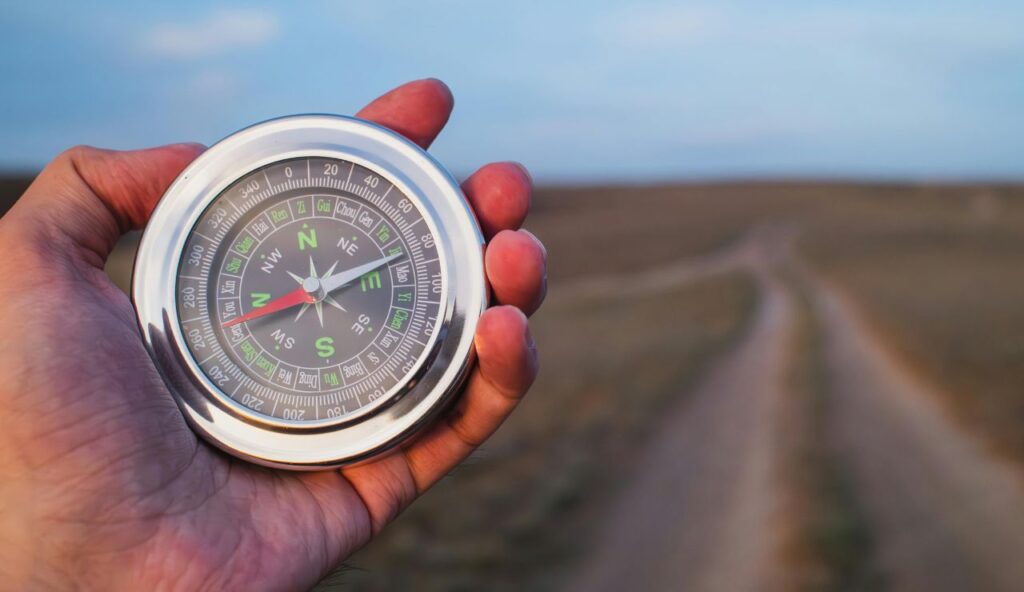
Your phone map is great, until it isn’t.
No signal, a cracked screen, or a dead battery can turn “I’ll just follow the trail” into guessing.
Pros bring a paper map and a simple compass, even when they love apps.
They also download offline maps before leaving and drop one or two waypoints, like the trailhead and a bailout turn.
It’s not overthinking; it’s how you stop small navigation slips from becoming a long, sweaty detour.
Quick habit: check your location while you still feel confident, not when you feel lost.
That one 10-second check is why “expert hiking packing tips” often sound boring, because boring keeps you en route.
Power Bank Backup: When Cold Drains Batteries and Screens Eat Percentages
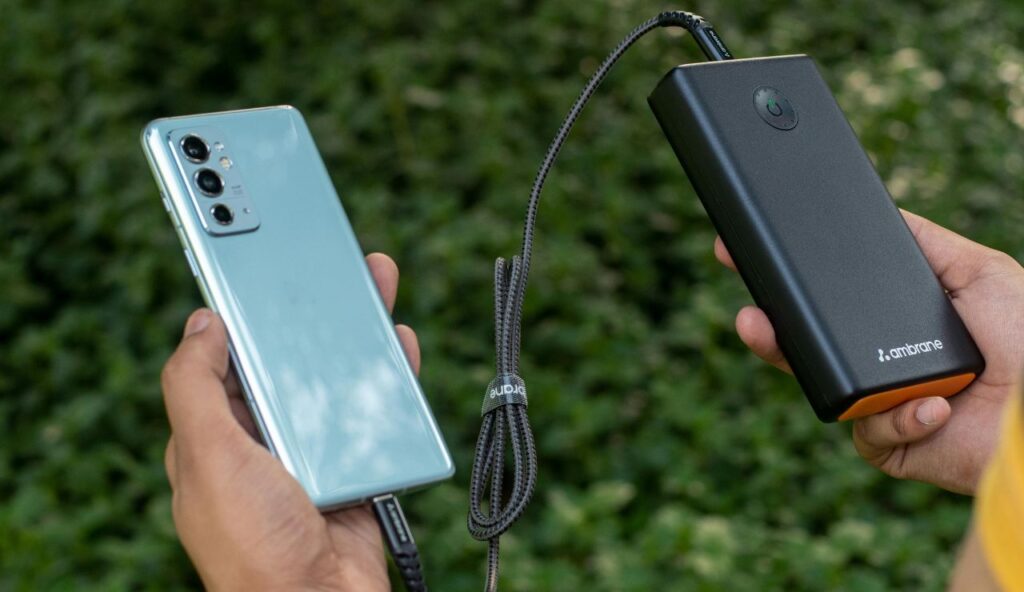
You’re not charging a phone for selfies, you’re protecting your lifeline.
Pros toss in a small power bank and the correct cable, already tested.
Cold drains batteries faster, and a bright screen in full sun eats what’s left.
If your phone handles maps, weather, photos of trail signs, or an emergency call, you don’t want “1% panic.”
A quick top-up at lunch can be the difference between calm navigation and stumbling out at dusk.
Keep it in an inside pocket when it’s chilly, and use airplane mode when you don’t need service.
It’s the most-forgotten fix on packing lists because people assume the battery will behave as it does at home.
Hydration Redundancy: Backup Water Filter + Electrolyte Packets
Most people pack water. Pros pack a plan.
They bring a backup way to make water safe, tabs or a tiny filter, because bottles leak and filters clog.
They also pack electrolytes, especially in heat, because plain water doesn’t always fix the “why do I feel wrecked?” moment.
A soft bottle that rolls up small lets you carry extra when sources are farther than expected.
If a hike runs long, hydration is the first thing that makes bad decisions feel reasonable.
Before you start, note where reliable water actually is; guessing is how people ration too late.
If it’s freezing, keep the filter close so it doesn’t ice up and quit.
Emergency Shelter: Lightweight Bivy or Blanket for “Stuck, Not Moving” Moments
Day hikers skip shelter because they “won’t be out that long.”
Pros pack a lightweight emergency blanket or bivy anyway.
If someone twists an ankle, the weather turns, or you’re waiting for help, standing still gets cold fast.
That thin layer blocks wind, traps warmth, and buys time without needing you to be tough.
It’s also the difference between an annoying delay and a real survival situation when the sun drops behind ridgelines.
Pair it with a simple poncho or contractor bag, and you’ve got a quick shell, pack cover, and ground barrier.
It’s on every “most forgotten” list because people pack for moving, not waiting.
First-Aid Kit Upgrade: Blister Repair + Moleskin/Tape + Anti-Chafe
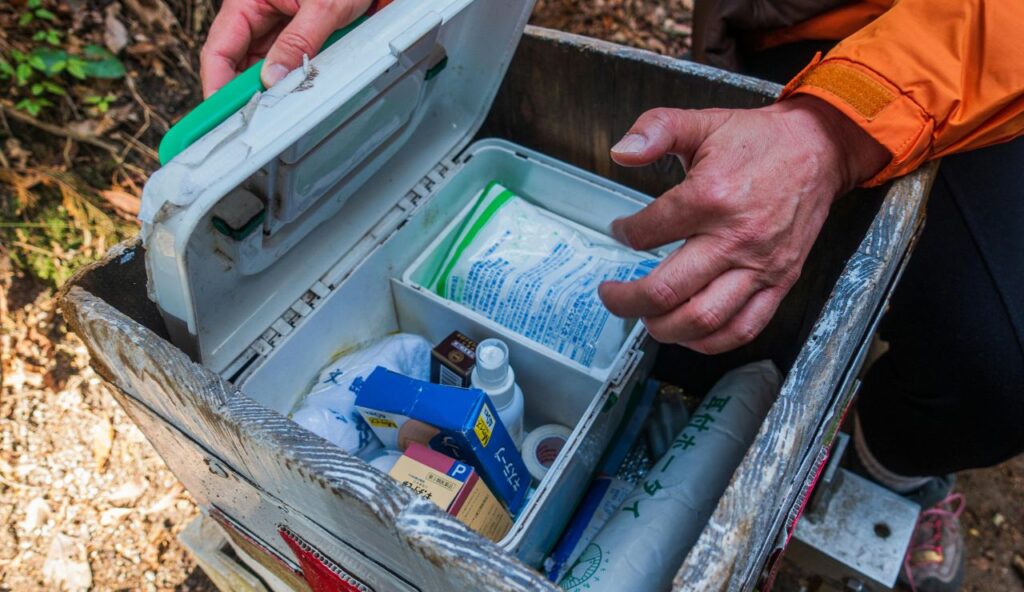
A generic first-aid kit is fine. Foot rescue is better.
Pros carry blister tape (or moleskin), a small wipe, and a dab of anti-chafe.
They stop early, when a hotspot whispers, not later, when it’s screaming.
Two minutes of taping can save the rest of the day, especially on long descents where toes slam forward hard.
Add a tiny roll of tape and one safety pin, and you can handle most “this is ruining my hike” problems without drama.
Bonus pro move: keep one dry-sock option in a zip bag, even on short hikes.
Wet feet plus grit is blister math.
This is the unglamorous answer that keeps mileage fun, mile after mile.
Illumination + Fire Starter Backup: Headlamp and a Spark for Real-World Delays
A headlamp is the classic “I didn’t think I’d need it” item.
Pros bring one on most outings, because delays happen: wrong turns, slow friends, weather, or a small injury.
Phone flashlights drain battery and leave your hands busy.
They also pack a simple fire-starting option as backup, not to play survivalist, but because warmth and signaling solve real problems.
When you can see and stay warm, you make smarter choices, and you don’t rush into sketchy shortcuts just to beat darkness.
Keep the light where you can grab it fast, and carry fresh batteries.
Light and a spark are the essentials people skip until they don’t get a choice.
Traction for Ice: Microspikes/Yaktrax Logic + The 20% Rule Buffer Mindset
Pros pack for the conditions, not the calendar.
If there’s any chance of snow or ice, they’ll bring traction that grips slick trail sections instead of gambling on “careful steps.”
They also follow simple pacing rules, like keeping effort sustainable so you don’t burn out early.
Before leaving, they check the forecast, share the route and return time with someone, and carry enough extra food to handle a longer day.
It sounds cautious, but it’s what makes experienced hikers look effortless: fewer emergencies, fewer “we should turn back” arguments, and more safe finishes.
Same idea as the 20% rule: leave a buffer for reality.