Dog Breeds That Form Unusually Deep Bonds With Just One Person in the Household

Not every dog distributes its affection equally. Some breeds move through a household like social diplomats, offering warmth to every person who walks through the door. Others do something entirely different, quietly selecting one individual from the group and directing the full weight of their loyalty toward that single person, sometimes to a degree that can feel almost startling.

These dogs are commonly referred to as velcro dogs, named for their tendency to stick closely to one specific person, and while it is natural for all dogs to seek companionship, certain breeds are genetically predisposed to form particularly intense attachments with one human in the household. The first six months of a dog’s life represent the most crucial period for determining future bonding patterns, with puppies’ brains highly receptive to early social interactions that shape their attachment preferences for the rest of their lives.

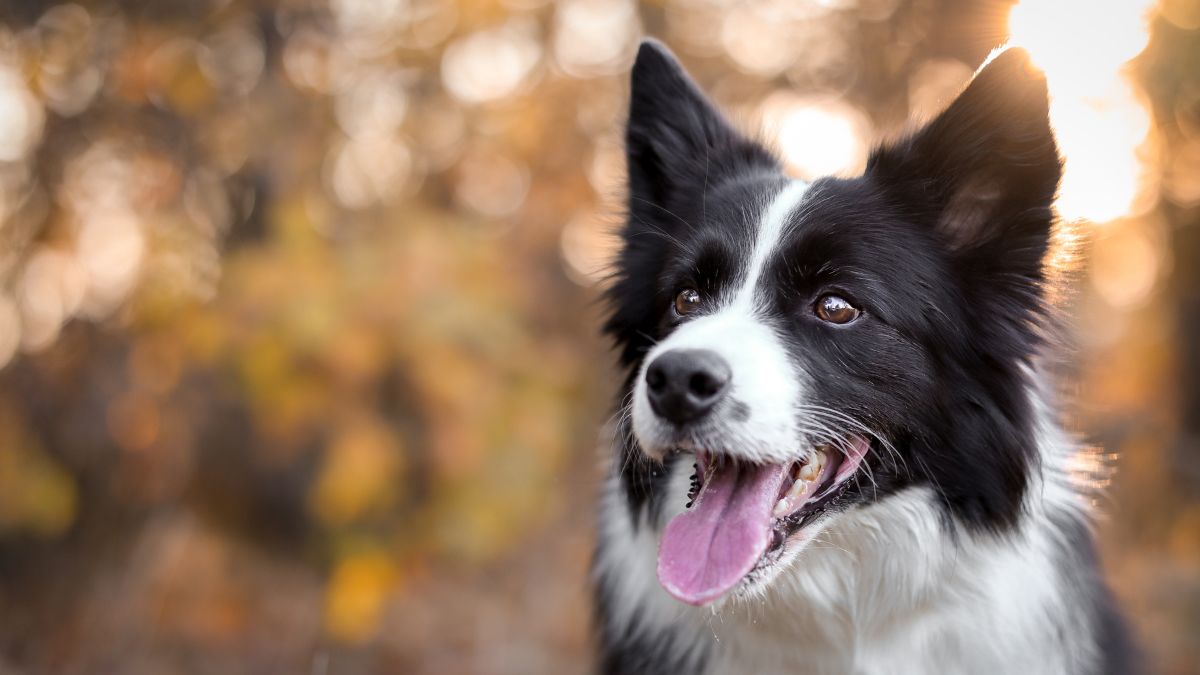
Dogs bred for herding and guardian work carry the highest tendency toward this kind of single-person bonding, since their original purpose depended on a close, almost instinctive connection with one human partner. That includes breeds like Akitas, Australian Cattle Dogs, Border Collies, Dobermans, and German Shepherds, all shaped by tasks that rewarded singular focus and fierce responsiveness to one person above all others.

Among the most complete expressions of this trait is the Vizsla, a Hungarian breed whose velcro nature traces directly to its past: the Vizsla was developed to be both a pointer and retriever who would work close to the hunter, never ranging too far away, and that trait remains fully intact in the dogs of today. Bred by Hungarian sportsmen as early as the 10th century to work long days in the field, the Vizsla was always a one-person dog that slept beside the hunter and worked alongside them from dawn to dusk, which is why they still follow their chosen person from room to room today. A Vizsla should never be left alone for more than four to five hours, as dogs left alone for long periods tend to become destructive, anxious, and visibly distressed.

The Akita expresses its singular loyalty in a quieter, more dignified way. Akitas form incredibly strong bonds with their families and demonstrate their loyalty through quiet, constant companionship, often following their chosen person from room to room and maintaining protective watchfulness over their households. No story captures this temperament more completely than that of Hachiko, a golden-red Akita born in 1923 whose owner, Professor Hidesaburo Ueno, died unexpectedly at work in 1925. Hachiko returned to Shibuya Station in Tokyo every day for nearly a decade, waiting for an owner who would never come back, until his own death in 1935.

German Shepherds, developed originally for herding and guarding sheep, often form a very strong bond with a single owner, making great companion dogs that always want to be by their person’s side. Their loyalty is prioritized rather than exclusionary, as German Shepherds are capable of building relationships with other family members too, displaying affection and loyalty across the household, but reserving their deepest devotion for the one person most engaged in their care.

It is especially important to practice independence training and socialization with these breeds, as they may also be prone to separation anxiety when apart from their chosen person. In extreme cases, dogs bonded to one person will hide, refuse to eat, or reject handling from anyone else when that individual is not present, a level of devotion that is as moving as it is demanding. The bond these breeds offer is unlike anything else in the world of canine companionship, but it asks something genuine in return.

If your dog has clearly chosen you as its person above everyone else in the household, we would love to hear which breed they are and what that singular devotion actually looks like day to day.


Similar Posts

  • This Big Rottweiler Needed His Dad’s Arms After a Run-In With a Tiny Chihuahua Left Him Shaken

    Looks can be deceiving, and nowhere is that more apparent than in a video currently melting the internet featuring Beau, a massive Rottweiler who needed to be rocked like a baby after a close encounter with the neighborhood Chihuahua. The clip, posted to the Instagram account @beauandbarneyy, has already racked up over 6,400 likes, and…

  • Veterinarian Warns Dog Owners About Symptoms That Could Prove Deadly

    Every dog owner wants to keep their furry friend safe and healthy, yet some life threatening conditions can strike without much warning. Veterinarian Jade has shared an important alert about gastric dilatation volvulus, often called bloat, which she describes as the worst nightmare for any pet parent. This emergency happens when the stomach fills with…

  • This Golden Retriever Caught Stealing His Owner’s Water in the Middle of the Night Will Have You Crying With Laughter

    There are few things funnier than catching your dog in the act of doing something they absolutely know they shouldn’t be doing. Golden Retrievers in particular have a reputation for being lovably cheeky, and Klaus, a golden-coated troublemaker with a flair for the dramatic, just proved that point to over a million people on the…

  • The Breed That Experts and Children Agree Is the Ultimate Family Dog

    Somewhere between a muddy backyard game and a quiet evening on the sofa, something remarkable happens in families that share their lives with the right dog. The energy of children and the temperament of a well-matched breed can create a relationship so warm and consistent that it shapes whole childhoods. Finding that match, however, takes…

  • 5 ways Vacation Routines Stress your Pet: Psychology Science most owners Miss

    Vacations are exciting for humans, but for pets, they can feel confusing, stressful, and even scary. Many animals rely on routine to feel safe, so small travel changes can trigger anxiety in ways owners do not expect. The science is simple: pets read patterns, smells, and body language, not calendars. These five overlooked vacation habits can raise stress fast, even in calm pets, and knowing them helps you prevent problems before they start. A few small adjustments can make travel days easier for everyone.
    1. Packing Early Signals “Something Is Wrong” to Your Pet
    When you start pulling out suitcases, your pet often notices before you do. Many animals link luggage with separation, which can trigger anticipatory anxiety. Dogs and cats are experts at pattern recognition, so even quiet packing can create stress because it predicts a major change. Some pets respond by pacing, whining, hiding, or becoming clingy. Others may stop eating or start acting unusually alert. Psychology research on animal behavior shows that uncertainty is often more stressful than the event itself. Packing in smaller steps, keeping normal routines, and adding calm activities can reduce the buildup of anxiety.
    2. Your Mood and Body Language Change More Than You Realize
    Vacation prep usually comes with stress, rushing, and distraction. Pets notice that shift immediately because they rely heavily on your tone, facial expression, and energy. Even if you are excited, the fast movement, shorter patience, and unusual household noise can signal danger to an animal’s brain. This is especially true for anxious dogs and sensitive cats. Behavioral science shows that animals can mirror human stress through increased vigilance and restlessness. A pet may start shadowing you, refusing naps, or becoming reactive. Slowing down, using a calm voice, and keeping playtime normal can make a big difference.
    3. Skipped Walks, Late Meals, and Broken Timing Disrupt Safety Signals
    Many owners think pets will adjust easily to vacation timing changes, but routine is a major source of security for most animals. Meals, walks, and bedtime create predictable anchors that tell a pet their world is stable. When those anchors shift, stress rises, especially in dogs who depend on consistent potty breaks and activity. Cats can also become unsettled when feeding schedules change, which may lead to hiding, vocalizing, or litter box issues. Studies on animal stress show that predictable patterns lower cortisol over time. Even on travel days, keeping timing as close as possible helps pets stay calmer.
    4. New Smells and Spaces Can Trigger Overload, Not Curiosity
    People often assume pets will be excited by a new place, but unfamiliar environments can overwhelm them. Animals process the world through scent and sound, so hotels, rentals, or relatives’ homes can feel like sensory overload. New cleaning products, unfamiliar pets, strange floors, and different noises can raise stress quickly. Dogs may become hyper-alert, bark more, or refuse to settle. Cats may hide for hours or stop eating. Animal behavior research shows that novelty is not always enriching, especially when the pet has no control. Bringing familiar bedding, toys, and maintaining a quiet corner helps reduce that overload.
    5. Handing Them Off to a Sitter Without a Transition Creates Separation Shock
    Even if you trust your sitter, your pet may not. A sudden handoff can feel like abandonment to an animal that does not understand travel plans. Dogs may respond with barking, destructive behavior, or loss of appetite. Cats may become withdrawn, refuse interaction, or show stress through litter changes. Psychology studies on attachment show that animals form strong bonds and feel distress when those bonds are disrupted without a predictable transition. A short meet-and-greet, a trial visit, or a practice overnight can reduce stress dramatically. Familiar scents, written routines, and consistent feeding also help the sitter maintain stability.

  • Ticks Can Be Deadly for Dogs and Here Is How to Protect Your Pet Before It’s Too Late

    As the warmer months roll in, pet owners need to be extra alert because the rise in temperatures brings a rise in parasites, and ticks are among the most dangerous threats your dog can face. These tiny creatures are far more than just a nuisance. They are capable of transmitting serious, even life-threatening diseases to…