
Dirt, Dreams, and Adrenaline: Why “Slow Adventure” Is the New High-Octane Travel.
You land on a trailhead, and the plan is simple: move under your own power, stay longer, notice more.
Slow adventure isn’t “soft” travel. It’s the same dirt and adrenaline, just paced so that weather, permits, and your body don’t get the final vote.
Instead of sprinting through highlights, you build days around daylight, recovery, and local rhythms, then the thrill comes from immersion, not hurry.
It’s why more travelers are swapping one-day hero missions for multi-day hikes, gravel rides, paddles, and camp nights that feel cinematic and real.
You still chase elevation, waves, and views, you stop treating exhaustion as the price of entry.
Slow Adventure Meaning: Presence Over Pace, Sense of Place, Human-Powered Travel
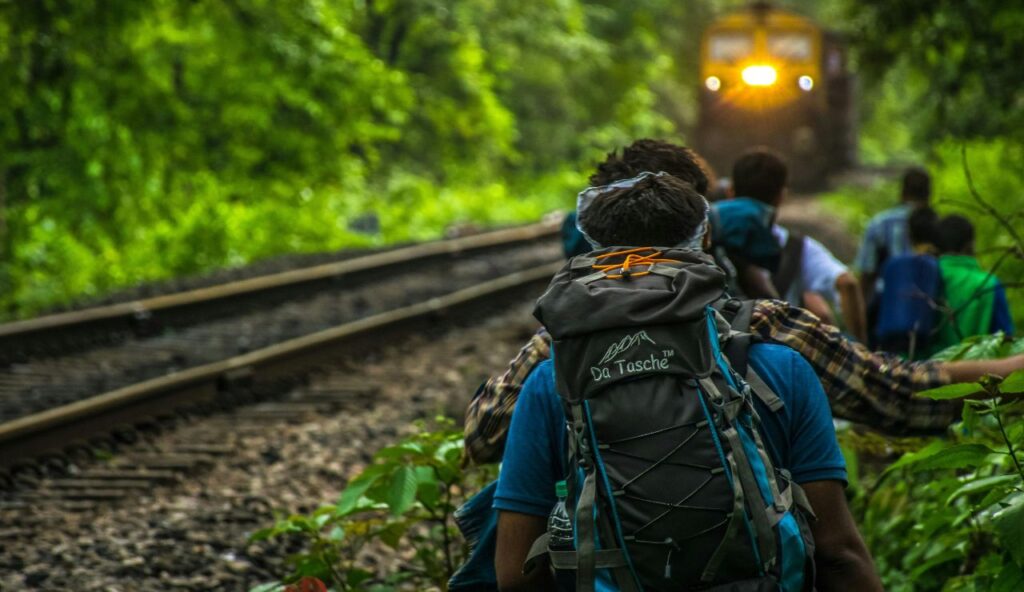
Slow adventure is the travel version of “presence over pace.” You pick a route that rewards attention: a coastal paddle with quiet landings, a hut-to-hut hike, a gravel loop between towns, or a long footpath where the trail is the point.
The “slow” part is the margin: earlier starts, shorter stages, and time to eat, dry gear, and actually feel the landscape changing.
If you’re asking “what is slow adventure,” it’s effort plus depth, without the frantic checklist.
You’re not trying to do more; you’re trying to remember more, smells after rain, the tide timing, the café that becomes your daily reset.
High-Octane Reframed: Intensity of Immersion, Thrill of Discovery, Deep Engagement
High-octane doesn’t have to mean high-speed. The rush can come from committing to a ridge with shifting weather, reading a river correctly, or pushing through the last climb knowing you still have energy to get down safely.
Slower pacing keeps your brain sharp, so the exciting moments feel cleaner rather than sloppy.
That’s why “slow travel vs adventure travel” is becoming a false choice: you can have grit, sweat, and adrenaline, while still sleeping well and waking up ready for day two.
It also dodges the rushed vibe where you’re herded between photo spots. When you earn the view, the thrill lands harder, even if you cover fewer miles.
Policy Updates and Access Reality: Timed Entry, Quotas, Closures, Route Limits
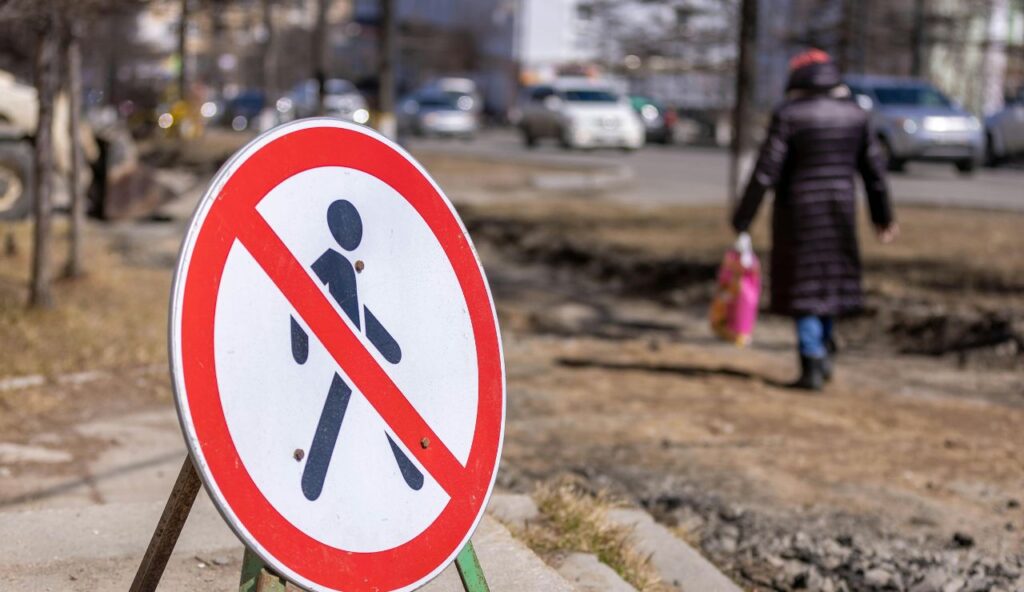
Adventure rules are getting tighter in busy places: timed-entry systems, trail quotas, seasonal route limits, fire closures, and stricter guiding rules. When access is controlled, “send it” plans fall apart fast.
Slow adventure fits because it treats permits, shuttles, and weather windows as the backbone rather than the annoyance.
Base in one area, start early, pick secondary routes, and build a buffer day so a closure doesn’t wreck the whole trip.
That’s how you stay compliant and still get the payoff.
It also eases pressure on locals by spreading visits across off-hours and smaller trailheads, which matters as rescue costs and crowding rise.
Safety That Still Feels Wild: Margin, Turnaround Time, Multi-Day Rhythm
Most trip blowups aren’t dramatic surprises; they’re the slow build of fatigue, dehydration, and “we’ll make it before dark.” A slower itinerary cuts that spiral.
You plan one hard segment, then stop while you’re thinking clearly.
You carry the boring stuff, layers, calories, dry socks, and you actually use it because you’re not racing.
Add offline maps, a check-in window, and a realistic turnaround time, and “adrenaline” turns into confidence instead of chaos.
That’s the difference between a story you tell and a rescue bill.
It’s especially useful in shoulder seasons, when storms, heat spikes, or transport delays can flip plans mid-day.
Slow Adventure Examples and Trip Planning: Multi-Day Hiking, Kayaking, Cycling Itineraries
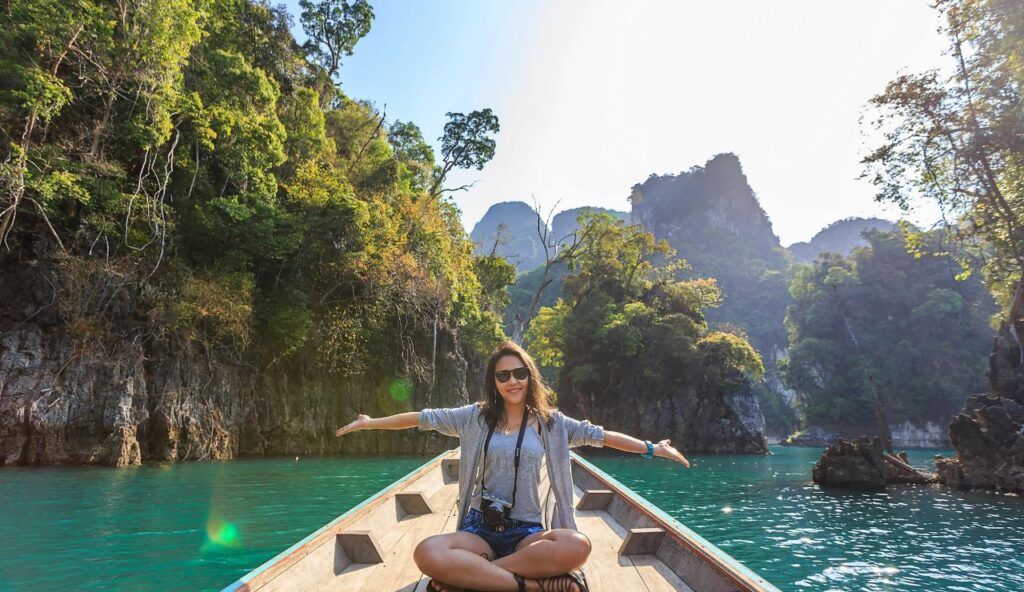
Start with the kind of effort you want: hike, bike, paddle, or a mix, then design days that end early enough to enjoy the place you’re moving through. Choose one “feature” a day: a canyon section, a ridgeline, a quiet rapid, a viewpoint at golden hour.
Book the hard constraints first (permits, huts, ferries), then let everything else stay flexible.
If you want slow adventure examples, think hut-to-hut routes, rail-and-trail loops, multi-day coastal kayaking, or a long footpath with town stops.
Keep one backup plan ready, so bad weather becomes a pivot, not a failure.
The goal isn’t less challenge, it’s cleaner wins.


