Crossing Borders: The Hidden Legal Red Tape Every Pet Owner Needs to Know.
Traveling across borders with a pet can seem straightforward on the surface, but international pet travel is actually complex, as it is layered with various legal requirements that differ by country and airline. Many pet owners focus on booking flights and choosing carriers, only to face delays due to missing paperwork or overlooked regulations. Rules may include standards for microchipping, vaccination timelines, parasite treatments, and government health certificates. Some countries require advance import permits or quarantine reservations several weeks in advance. Understanding these legal steps early helps prevent denied boarding, forced pet quarantine, or costly rebooking.
Pet Passports and Health Certificates

Most countries require official health documentation before allowing a pet to cross borders. A pet passport, where available, acts as a medical record confirming vaccinations, microchip details, and owner information. In regions without a passport system, government-issued health certificates must be completed by an accredited veterinarian shortly before travel. These documents include proof of rabies vaccination within a specific time frame and confirmation that the animal is free from infectious diseases. Missing or outdated certificates can result in travel denial, quarantine on arrival, or forced return of the pet to the origin country.
Microchip and Vaccination Compliance
Microchipping is more than identification; many countries legally require pets to have ISO-compliant microchips before vaccinations are administered. If the chip is added after vaccination, authorities may reject the record entirely. Rabies vaccination schedules are tightly regulated, with waiting periods ranging from weeks to months before travel is allowed. Some destinations also require additional vaccines or parasite treatments depending on regional disease risks. Failing to follow the correct order of microchipping and vaccination can invalidate documentation, forcing pet owners to restart the process and delay their travel plans.
Import Permits and Quarantine Rules
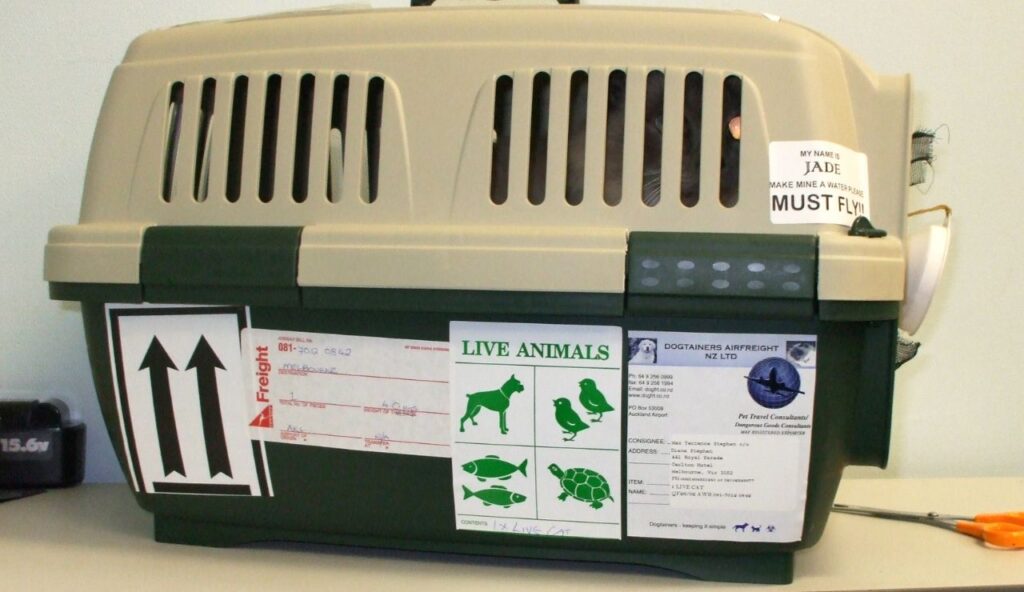
Certain countries require advance import permits approved before a pet boards a plane. These permits confirm the destination country has reviewed the pet’s health records and approved entry. Quarantine laws vary widely, with some regions requiring pets to stay in government facilities for observation. Even when quarantine is not mandatory, authorities may impose holding periods if documents are incomplete. Many pet owners underestimate how early these applications must be submitted. Late permit requests or missing approvals can lead to denied entry and costly last-minute changes to travel plans.
Airline-Specific Legal Restrictions
Airlines enforce their own legal and safety requirements for pet travel, often adding restrictions beyond government rules. Breed restrictions, seasonal heat bans, crate size standards, and documentation cut-off times can vary by carrier. Some airlines require specific crate certifications and ventilation standards to meet animal welfare policies. Even if a country allows entry, an airline can legally refuse transport if its internal rules are not met. Checking airline policies alongside government regulations is essential. Ignoring airline-specific requirements may result in denied boarding at the airport, even with valid travel paperwork.
Customs Declarations and Border Inspections
Upon arrival, pets are treated as regulated imports and must pass customs inspections. Owners are required to declare animals and present documentation for review by border officials or veterinary authorities. Customs officers may scan microchips, review vaccination records, and inspect carriers to ensure compliance with transport regulations. Some borders impose entry fees or require additional paperwork for certain species. Failure to declare a pet properly can lead to fines, confiscation, or forced quarantine. Preparing for customs checks helps avoid delays and ensures a smoother transition through border control with your pet.
Legal Liability and Insurance Considerations

Cross-border travel can expose pet owners to legal liability if an animal causes injury or damage in another country. Some destinations require proof of liability insurance for specific breeds or large animals. Travel insurance policies for pets may also have exclusions based on country-specific disease risks or quarantine costs. Without coverage, owners may face unexpected expenses for veterinary care, extended boarding, or legal claims. Reviewing insurance terms and local liability laws before travel helps reduce financial risk. Understanding these legal responsibilities protects both the owner and the pet during international travel.
Country-Specific Breed and Species Restrictions
Many countries impose legal restrictions on certain dog breeds or exotic pets due to safety or conservation laws. Breeds considered aggressive may be banned, restricted, or required to follow additional safety measures such as muzzling. Some regions prohibit the import of specific animal species entirely. These rules can change with little notice due to public safety concerns or disease outbreaks. Pet owners who fail to research destination-specific restrictions risk being turned away at the border. Verifying legal eligibility for your pet’s breed or species is a critical step before finalizing travel plans.