Chicago Is the City That Gave the World Labor Day and Its Story Runs Deeper Than You Think
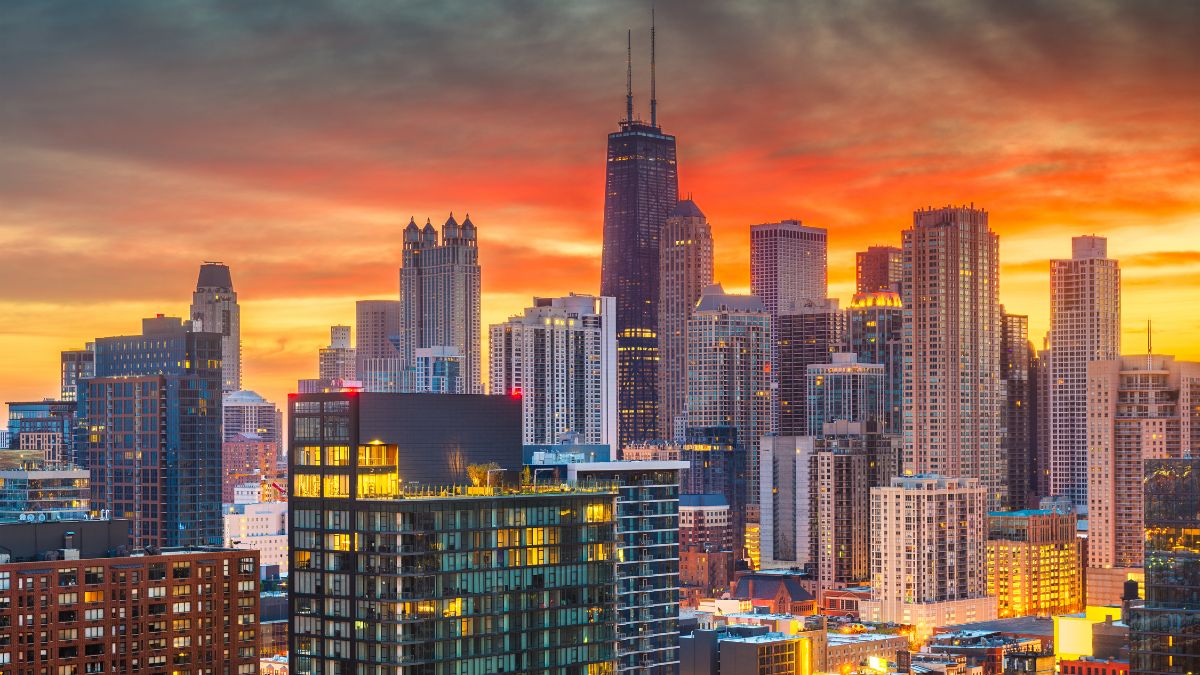
When most people picture Chicago, they think of towering skyscrapers cutting through the skyline, the relentless wind sweeping off Lake Michigan, and the legendary Al Capone lurking somewhere in the shadows. But this American metropolis carries a much deeper, globally significant story than gangster lore alone. Chicago is the birthplace of International Labor Day, and May 1st is celebrated around the world as a tribute to the tragic events that unfolded on its streets over 130 years ago, forever changing the fight for workers’ rights.
The 19th century was defined by brutal working conditions across the country. Workers endured shifts stretching up to 18 hours a day for meager wages, and child labor was entirely commonplace. The tipping point came on May 1, 1886, when roughly 40,000 workers flooded Chicago’s streets united behind a simple but then-revolutionary demand for eight hours of work, eight hours of rest, and eight hours for education and personal development. The protests stretched on for days, and tensions kept rising with every passing hour.
On May 3rd, police intervened near the McCormick Harvesting Machine Company to protect strikebreakers and opened fire on the crowd, killing at least one worker. In response, anarchist and labor leader August Spies helped organize a peaceful gathering the following evening at Haymarket Square. Even Mayor Carter Harrison attended that rally and later confirmed he saw no reason for police intervention. But as rain began to fall and the crowd thinned, 176 officers marched in and ordered everyone to disperse, and that is when someone hurled a dynamite bomb toward the police line. The chaos that followed left seven officers and at least four civilians dead, with dozens more wounded.
To this day, nobody knows for certain who threw the bomb, with theories ranging from an anarchist provocateur to a deliberate setup by authorities. What followed was a wave of mass hysteria and xenophobia directed at immigrants and labor organizers. Eight anarchists were arrested and put on trial in what many historians have since described as a judicial farce, since no evidence directly linked any of the defendants to the bomb itself. August Spies, Albert Parsons, Adolph Fischer, and George Engel were hanged on November 11, 1887, while a fifth condemned man, Louis Lingg, died by suicide in his cell the night before. Illinois Governor John Peter Altgeld later commuted the sentences of the remaining three, sharply criticizing the entire process and suggesting the convicted men were victims of hysteria rather than justice. In 1889, the Second International declared May 1st International Labor Day in their memory.
The divide this created is still visible in Chicago through what amounts to a genuine war of monuments. A statue of a police officer was erected at the site in 1889, but it was twice bombed by the radical group Weather Underground in the late 1960s and eventually relocated to the courtyard of the police academy. A monument to the Haymarket martyrs stands at the cemetery where they are buried, while a third modern memorial installed at the square in 2004 depicts the chaotic scene and leaves visitors to draw their own conclusions.
Chicago holds plenty of other secrets beneath its streets as well. The Pedway, a network of pedestrian tunnels stretching roughly five miles, connects more than 40 city blocks downtown and lets residents move through the city shielded from punishing winters or sweltering summers. Deeper still lies a forgotten freight tunnel system built in the early 20th century, once used by small electric trains hauling coal, mail, and goods between the basements of major buildings. The network was abandoned in the 1950s and largely forgotten until 1992, when construction workers accidentally broke through a tunnel wall beneath the Chicago River, triggering a catastrophic flood that caused nearly two billion dollars in damage and paralyzed the city center for weeks. The Green Mill Cocktail Lounge, Al Capone’s favorite jazz haunt, also reportedly sits above a network of tunnels the mob used to escape police raids during Prohibition.
The city is also the birthplace of modern architecture. The Home Insurance Building, completed in 1885, was the first structure in the world built with a steel skeleton and is widely considered the original skyscraper. Willis Tower, formerly known as Sears Tower, remains one of the tallest buildings in the Western Hemisphere to this day. Back in 1900, engineers managed to reverse the flow of the Chicago River entirely to stop pollution from reaching Lake Michigan’s drinking water supply, and that same river gets dyed bright green every St. Patrick’s Day in honor of the city’s large Irish community.
Chicago is far more than a striking skyline or a footnote in gangster history, and if its story of hidden tunnels, contested monuments, and the bloody origins of the eight-hour workday sparks something in you, share your thoughts in the comments.