

Can Dogs Eat Edamame? Safety Guide for Pet Owners
You’re shelling edamame at the kitchen counter, and your dog is staring up at you with those irresistible eyes. It’s a moment every dog owner knows well. But before you toss one down, it’s worth asking whether edamame is actually safe for dogs to eat.
The short answer is yes — plain edamame is generally safe for dogs in moderation. However, there are several important details every pet owner should understand before making it a regular snack.
Safety and Preparation: What Pet Owners Need to Know
The most critical rule when feeding edamame to dogs is to always remove the pod. The outer shell is tough, fibrous, and difficult for dogs to digest, posing a potential choking hazard especially for smaller breeds.
Only the inner beans should be offered. Additionally, edamame must be served plain — no salt, no seasoning, no sauces, and absolutely no garlic or onion, which are toxic to dogs.
Frozen edamame sold at grocery stores often contains added sodium. Always check the label carefully and choose unsalted varieties to keep your dog safe.
Nutritional Benefits and Protein Content for Dogs
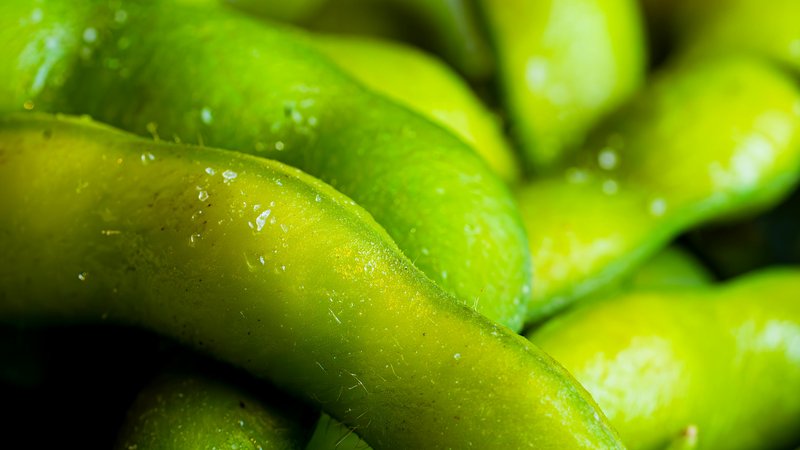
Edamame is a young soybean, and soybeans are one of the most protein-dense plant-based foods available. For dogs, that protein content can offer a small but meaningful nutritional boost when given as an occasional treat.
Beyond protein, edamame contains fiber, omega-3 fatty acids, calcium, and vitamins C and K. These nutrients support immune function, bone health, and skin condition in dogs.
If you enjoy exploring seed-based nutrition for your pet, the benefits of chia seeds for dogs offer another interesting comparison when thinking about plant-based supplementation.
Portion Control and the 10% Treat Rule
Even nutritious foods can cause problems when given in excess. Veterinary nutritionists widely recommend that treats — including healthy ones like edamame — should make up no more than 10% of a dog’s daily caloric intake.
For a small dog, that might mean just two or three beans. For a larger dog, a small handful is typically fine as an occasional addition, not a daily staple.
Consistency in your dog’s core diet matters far more than any single snack. If you’re curious about how life stage affects a dog’s nutritional needs, AAFCO guidelines clarify how formulations differ between puppy, adult, and senior foods.
Breed and Age Considerations for Edamame Feeding
A dog’s size and age can influence how well they handle new foods. Puppies have more sensitive digestive systems and should be introduced to any new treat very slowly and in tiny amounts.
Senior dogs may also have reduced digestive efficiency and could be more prone to gastrointestinal upset from high-fiber foods like edamame. Always monitor your older dog closely after introducing anything new.
Breed size also plays a role in overall health management. Annual care costs differ significantly between large and small breeds, with large dogs averaging $1,448 per year compared to $1,001 for small dogs — a reminder that dietary decisions are just one piece of a larger ownership picture.
Potential Digestive Issues and Soy Sensitivity Concerns
Some dogs have soy sensitivities or allergies. Soy is actually one of the more common dietary allergens in dogs, and edamame is simply an immature form of the soybean.
Signs of a soy sensitivity can include itchy skin, ear inflammation, vomiting, or diarrhea. If your dog shows any of these symptoms after eating edamame, discontinue immediately and consult your veterinarian.

Dogs with known soy allergies should never be given edamame. Similarly, if you’re also exploring other seeds and legumes for your dog, understanding how they handle sesame seeds can help you build a clearer picture of their individual tolerances.
Raw Versus Cooked Edamame: Digestibility and Safety Comparison
Both raw and cooked edamame beans are technically safe for dogs, but lightly steamed or cooked edamame is generally easier for them to digest. Cooking softens the bean’s cell walls, making nutrients more bioavailable.
Raw edamame is firmer and may pass through the digestive system less efficiently. It also presents a slightly higher choking risk for smaller dogs or fast eaters.
Whichever form you choose, plain and unseasoned is non-negotiable. A small amount of properly prepared edamame can be a fun, nutritious treat — just keep it occasional, keep it simple, and always watch how your individual dog responds.