Can Dogs Eat Bananas? Safety & Health Guide
Bananas are one of the most popular fruits in the world, and it’s natural to wonder whether your dog can share in the snack. The good news is that bananas are generally safe for dogs — but there are important details every pet owner should know before handing one over.
Understanding what bananas offer nutritionally, how much is appropriate, and what to watch out for will help you make the best choice for your dog’s health.
Nutritional Profile: What Bananas Offer Your Dog
Bananas are surprisingly nutrient-dense for a fruit. According to AKC nutrition experts, they are high in potassium, vitamins, biotin, fiber, and copper, while remaining low in cholesterol and sodium.
Potassium supports healthy muscle function and heart health in dogs, much like it does in humans. Biotin contributes to a healthy coat and skin, making bananas a genuinely useful occasional treat.
A single medium banana provides approximately 110 calories and 450 mg of potassium, along with 3 grams of fiber and 28 grams of carbohydrates. That’s a meaningful nutritional punch for a small piece of fruit.
If you enjoy exploring wholesome food additions for your dog, chia seeds for dogs are another nutrient-rich option worth considering alongside fruit-based treats.
Sugar Content and Health Risks to Monitor
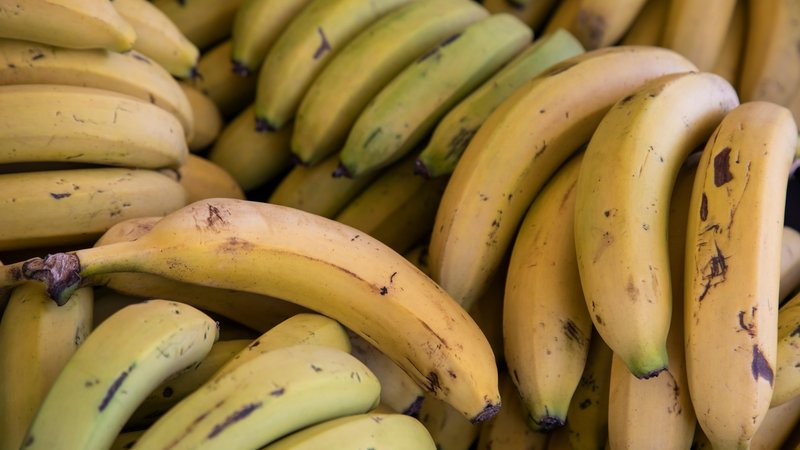
Despite their nutritional benefits, bananas contain a significant amount of natural sugar — about 15 grams per medium banana. This is the primary reason they should be treated as an occasional snack rather than a dietary staple.
Too much sugar, even from natural sources, can contribute to weight gain, digestive upset, and in dogs with diabetes or obesity, more serious health complications. Always check with your veterinarian if your dog has any underlying health conditions before introducing new foods.
Dogs with sensitive stomachs may also experience loose stools or gas if they eat too much banana at once. Starting with a small piece and monitoring your dog’s reaction is always the wisest approach.
Safe Serving Sizes Based on Dog Weight
Serving size matters enormously when it comes to feeding bananas safely. A general guideline is to follow the 10% rule — treats of any kind should make up no more than 10% of your dog’s daily caloric intake.
For small dogs, a few small slices are plenty. Medium-sized dogs can handle a bit more, while large breeds can safely enjoy up to half a banana on occasion. These are rough guidelines, and your vet’s specific advice should always take priority.
Preparation Methods and Peel Safety
Always remove the peel before giving banana to your dog. While banana peels are not toxic, they are very difficult to digest and can cause intestinal blockages, particularly in smaller breeds.
Fresh banana slices are the simplest and most natural option. You can also mash banana and mix it into your dog’s food, freeze slices for a cool summer treat, or stuff it into a puzzle toy for enrichment.
Because of their natural sugars, bananas as training rewards work particularly well for active dogs who need a quick energy boost during exercise or learning sessions.
Bananas Compared to Other Dog-Safe Fruits
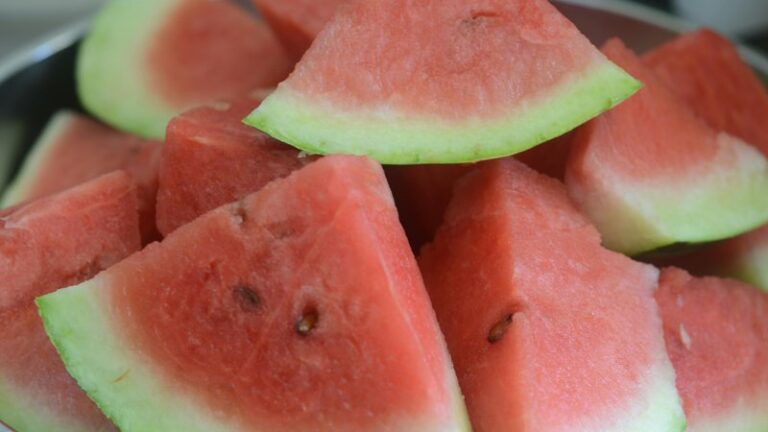
Bananas sit comfortably among the safer fruits for dogs, but they aren’t the only option. Blueberries, watermelon (seedless), and apple slices are also popular choices that offer different nutritional profiles.
Compared to many other fruits, bananas are higher in calories and carbohydrates, which makes them better suited for active dogs than those on a weight management plan. Blueberries, for example, tend to be lower in sugar and calories per serving.
Grapes and raisins, by contrast, are extremely toxic to dogs and must always be avoided. When in doubt about any fruit, checking with your veterinarian before offering it is the safest course of action.
Bananas make a wholesome, vet-approved treat when offered in moderation and prepared correctly. Keeping portions small, skipping the peel, and treating them as an occasional reward rather than a daily staple ensures your dog gets the benefits without the risks.