Can Dogs Eat Artichoke? Safety Guide for Pet Owners
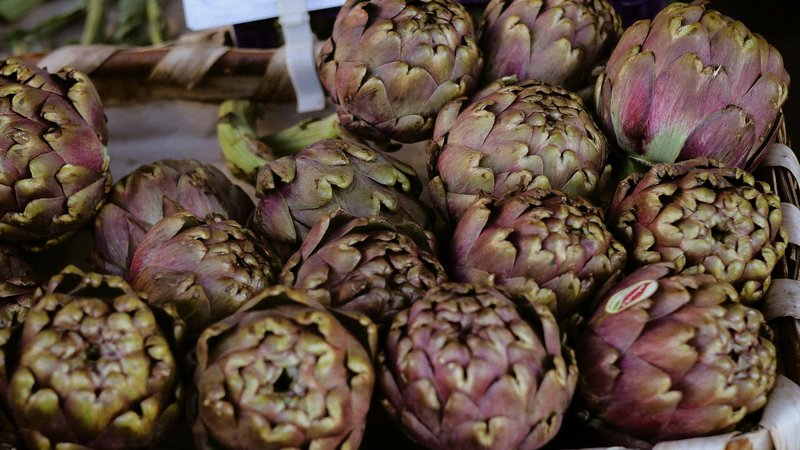
Artichokes are a nutritious vegetable enjoyed by many people, and it is natural to wonder whether your dog can share in that snack. The good news is that artichokes are generally safe for dogs when prepared and served correctly.
That said, there are important details every dog owner should understand before offering this vegetable. Knowing the right parts, preparation methods, and portion sizes makes all the difference.
Nutritional Benefits and Safety Profile for Dogs
Artichokes are packed with vitamins C, K, and B9, along with magnesium, potassium, and dietary fiber. These nutrients support immune function, healthy digestion, and overall cellular health in dogs.
Artichokes also contain antioxidants, which help combat oxidative stress and inflammation. For dogs prone to digestive sluggishness, the fiber content can promote healthy gut movement when given in appropriate amounts.
According to veterinary nutrition experts, artichokes are safe for pets, though feeding them raw is difficult and may limit how well a dog can actually digest and absorb those nutrients.
Safe Preparation Methods and Portion Guidelines
The safest way to serve artichoke to your dog is plain and cooked — either steamed or boiled without any seasoning, butter, garlic, or oil. These additions are harmful to dogs and must always be avoided.
Cut the artichoke heart into small, bite-sized pieces before offering it to your dog. This reduces the risk of choking and makes it much easier for your dog to chew and digest.
Portions should remain small. Treat artichoke as an occasional snack rather than a dietary staple — a few small pieces a couple of times per week is plenty for most dogs.
Choking and Digestive Risks to Monitor
Artichokes have a fibrous texture that can pose a choking hazard, especially for small dogs or dogs that tend to gulp their food quickly. Always supervise your dog during the first few times you introduce this vegetable.
Too much fiber at once can also trigger loose stools, gas, or stomach upset. If your dog experiences any of these symptoms after eating artichoke, reduce the portion size or discontinue feeding it altogether.
Introducing any new food gradually is always the smartest approach. Start with a very small amount and observe your dog for 24 to 48 hours before offering more.
Parts to Avoid and Foods to Never Mix with Artichokes
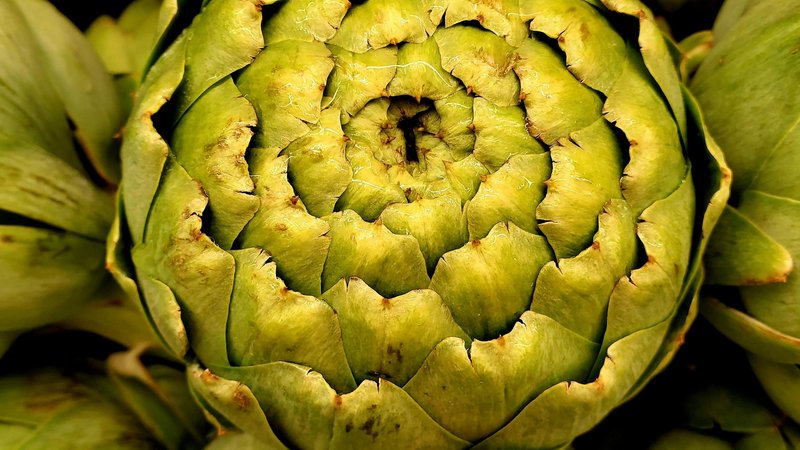
The artichoke heart and the fleshy base of the leaves are the safest parts for dogs. The tough outer leaves, the stem, and the fibrous choke in the center should all be removed before serving.
Never serve artichoke dip, marinated artichokes, or canned artichokes packed in brine or oil. These products contain ingredients — including garlic, onion, and excessive sodium — that are toxic or harmful to dogs.
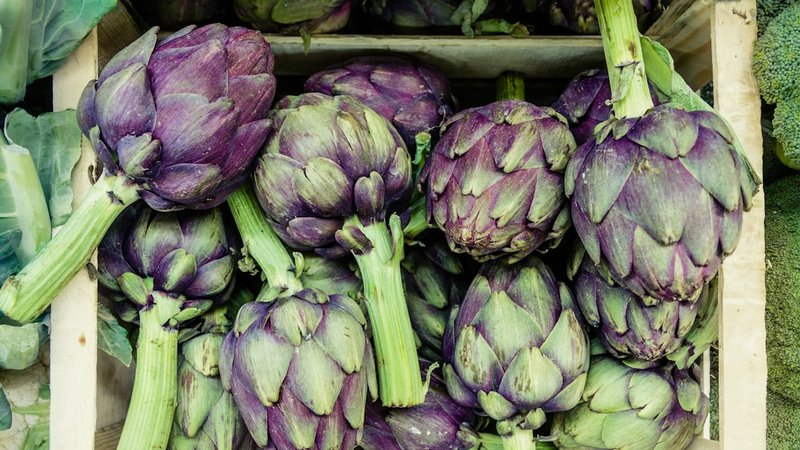
It is also worth noting that Jerusalem artichokes, though sharing a name, are an entirely different plant species with a distinct nutritional profile. Always confirm which variety you are working with before feeding it to your pet.
Age and Size Considerations for Different Dogs
Small dog breeds need significantly smaller portions than large breeds. For a toy or small breed, even a single teaspoon of cooked artichoke is enough to provide a benefit without overwhelming their digestive system.
Puppies have more sensitive digestive systems than adult dogs and should not be given artichoke until they are at least several months old and fully weaned onto solid food. Adolescence in dogs begins around six months and can last up to three years depending on the breed, meaning digestive sensitivity can persist well beyond puppyhood.
Senior dogs with chronic digestive conditions, kidney issues, or compromised immune systems should only receive new foods with explicit veterinary approval. Always consult your vet if you are unsure whether artichoke is appropriate for your individual dog.
If you enjoy exploring safe and nutritious food options for your dog, pairing that curiosity with good general health habits matters just as much — much like understanding other snack-safe foods such as sesame seeds for dogs helps you build a well-rounded, informed approach to canine nutrition.
When in doubt, keeping your dog’s diet simple, balanced, and vet-approved is always the safest path forward. Artichoke can be a wholesome occasional treat, but it is never a substitute for a complete and balanced diet.