10 Beautiful Tropical Islands With Dark Colonial Histories Tourists Love to Ignore
People often travel to beautiful tropical islands with dark colonial histories to enjoy pristine beaches and luxury resorts. Visitors frequently overlook the deep scars left by centuries of exploitation and enslavement that shaped these very destinations.
Many idyllic ocean retreats with colonial pasts hide remnants of plantations and penal colonies beneath their modern tourist infrastructure. Understanding the true heritage of these scenic getaways offers a more complete picture of the global forces that built them.
Jamaica
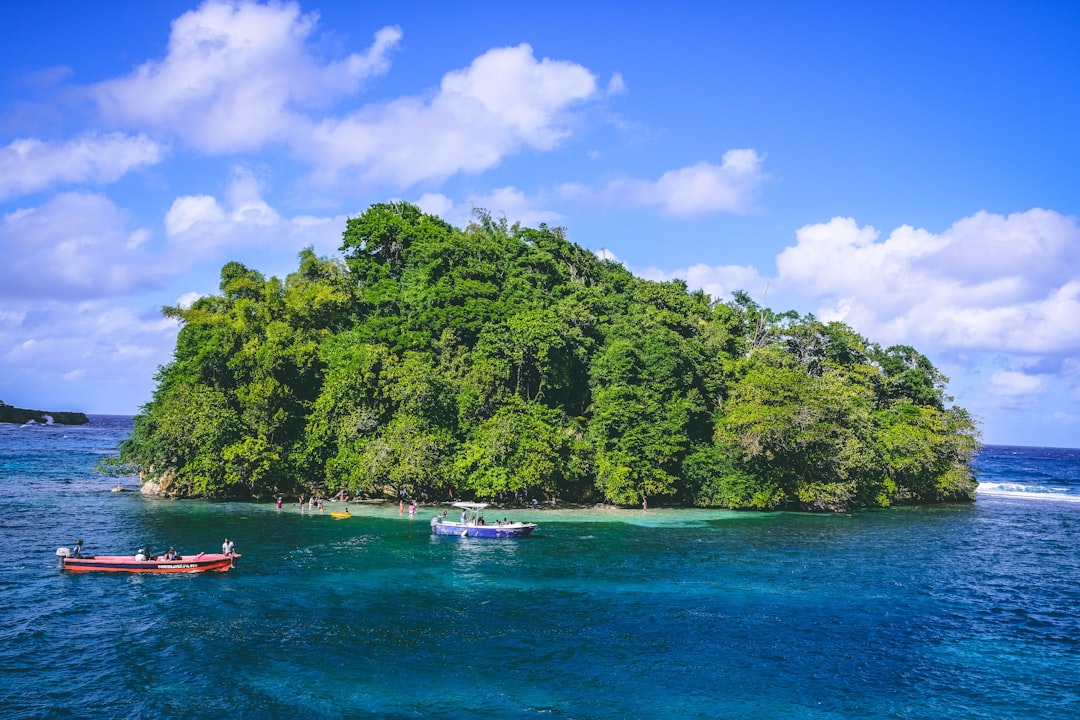
This popular Caribbean destination attracts millions of visitors seeking reggae music and spectacular sunsets. The island was once a brutal hub for sugar production where enslaved Africans endured horrific conditions under British rule.
Wealthy European planters built immense fortunes on the backs of forced laborers across the territory. Modern vacationers rarely visit the old plantation estates where these widespread human rights abuses actually occurred.
Barbados
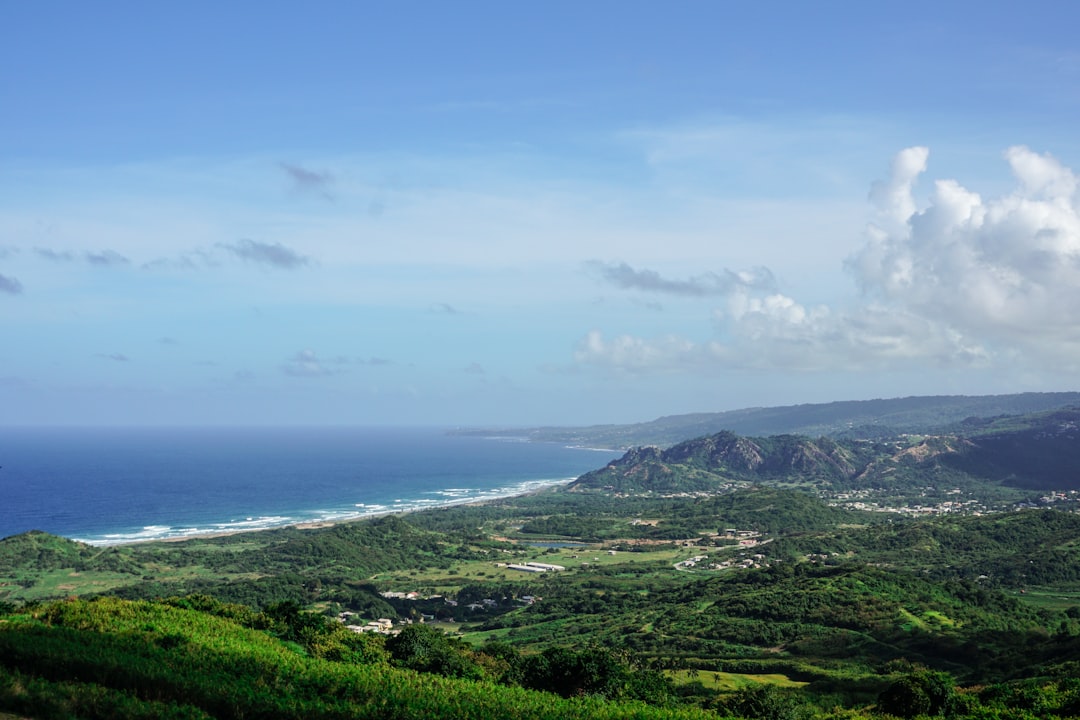
Crystal clear waters and soft white sand make this easternmost Caribbean island a favorite among luxury travelers. British settlers transformed the landscape into a massive sugar machine reliant entirely on the transatlantic slave trade.
The intense cultivation of sugarcane destroyed much of the native ecosystem and established a rigid class system. Many tourists sip rum cocktails today without acknowledging the staggering human cost that originally created the local spirit industry.
Zanzibar
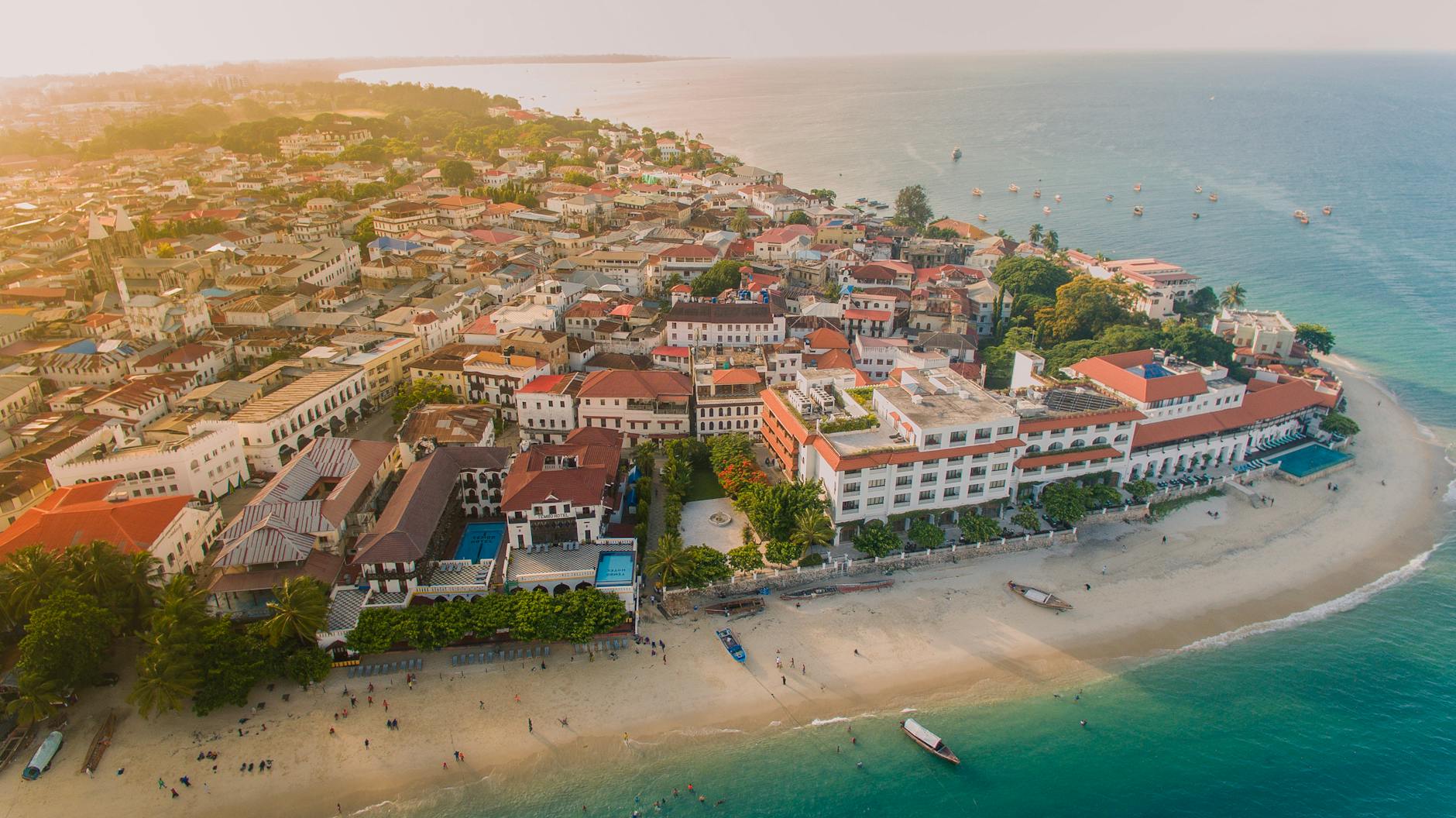
The spice island archipelago off the coast of Tanzania features stunning coral reefs and fascinating stone architecture. Arab and European powers spent centuries fighting for control over this strategic port in the Indian Ocean.
The region served as one of the largest slave markets in the world during the nineteenth century. Travelers exploring the winding alleys of the historic district walk over the exact spots where countless captive people were sold.
Mauritius
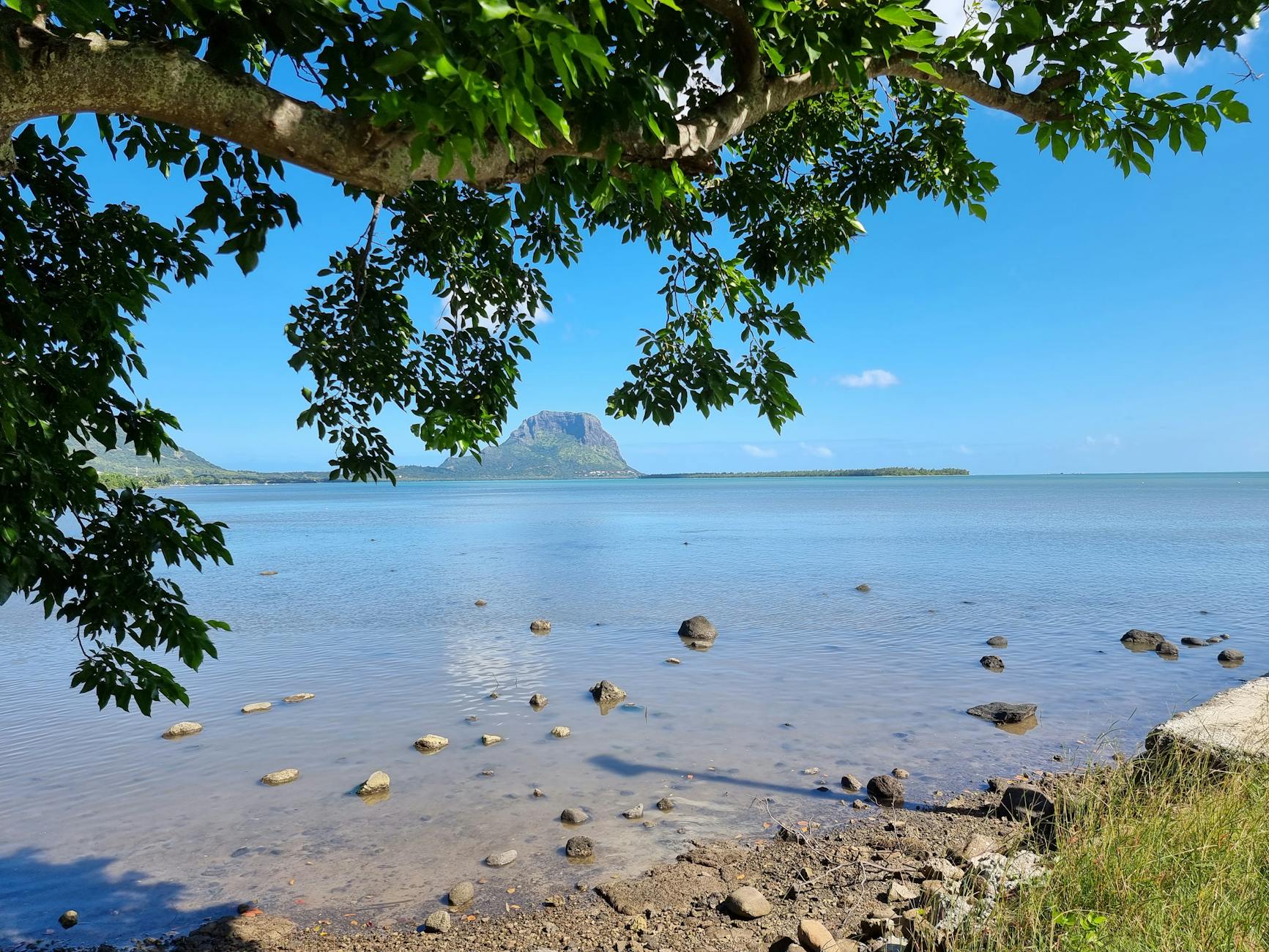
This volcanic island nation in the Indian Ocean boasts spectacular lagoons and diverse wildlife that draw honeymooners year round. French and British colonizers heavily exploited the land and brought over half a million indentured servants from India.
These laborers faced grueling conditions working the sugarcane fields after the official abolition of slavery. The lavish resorts dotting the coastline stand in stark contrast to the difficult lives of those early migrant workers.
Martinique
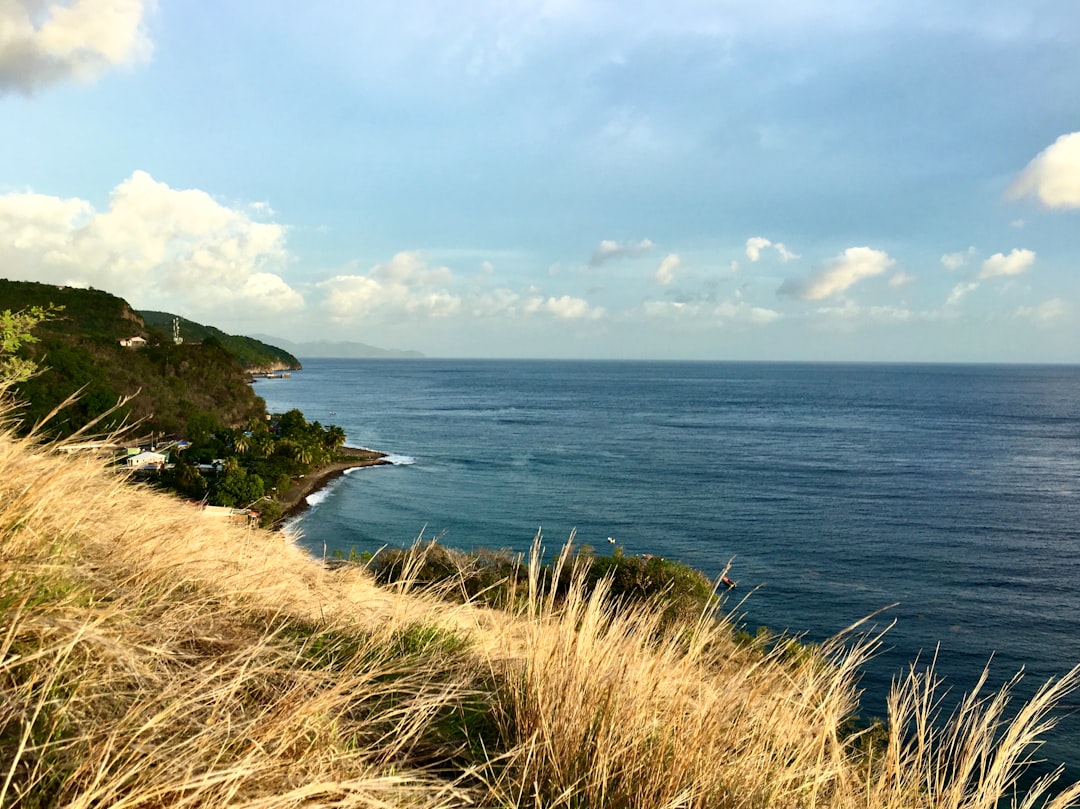
French culture and Caribbean charm blend seamlessly on this rugged island known for its dramatic volcanic peaks. The overseas territory possesses a deeply painful legacy rooted in the mass enslavement of African people.
Wealthy French aristocrats accumulated vast riches while subjecting their captive workforce to immense suffering. Visitors often praise the refined local cuisine without recognizing the enslaved people who originally developed these culinary traditions.
Andaman Islands
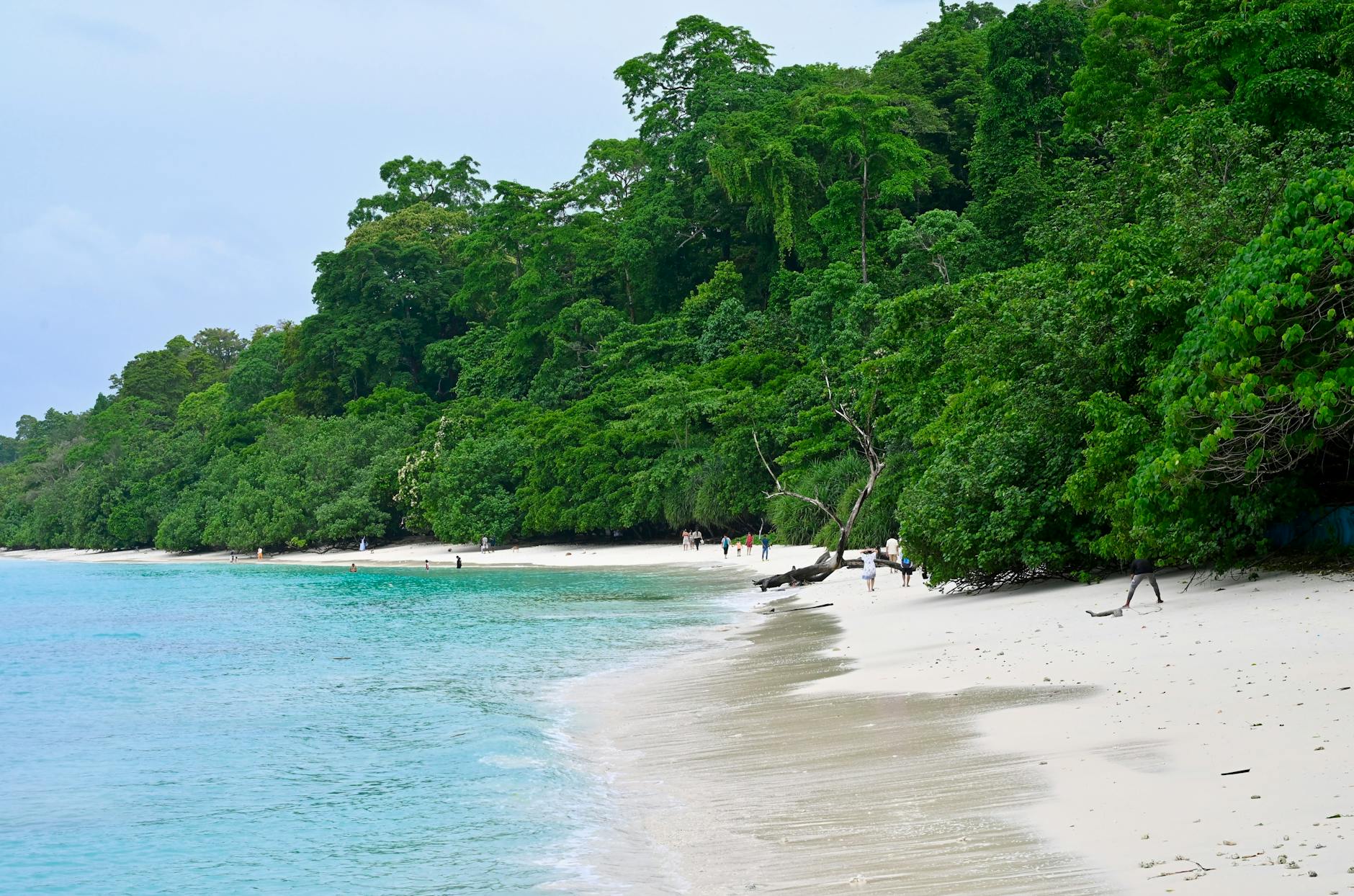
Remote beaches and pristine diving spots have recently turned this Indian archipelago into a highly sought after nature tourism spot. The British Empire previously utilized the isolated territory as a notorious penal colony for political dissidents.
Countless freedom fighters perished inside the harsh cellular jails under severe torture and starvation. Tourists flocking to the surrounding turquoise waters easily forget the immense suffering that took place just miles away.
Puerto Rico
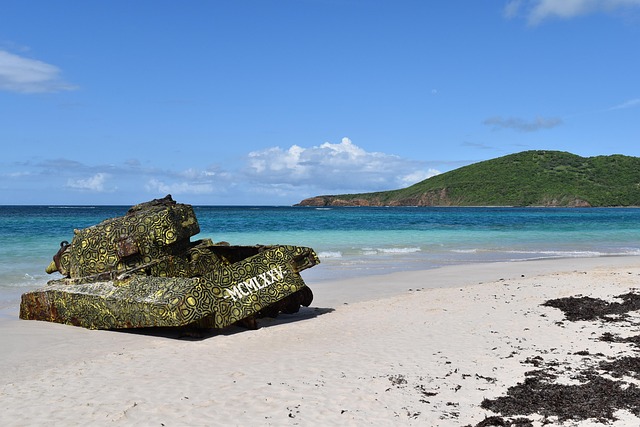
Vibrant nightlife and beautiful rainforests make this Caribbean territory a highly accessible tropical getaway. Spanish conquerors arrived centuries ago and decimated the indigenous Taíno population through disease and forced labor.
The subsequent introduction of enslaved Africans further fueled the lucrative agricultural economy under imperial control. Many visitors enjoy the massive stone forts without reflecting on the oppressed laborers who actually built the defensive structures.
Sri Lanka
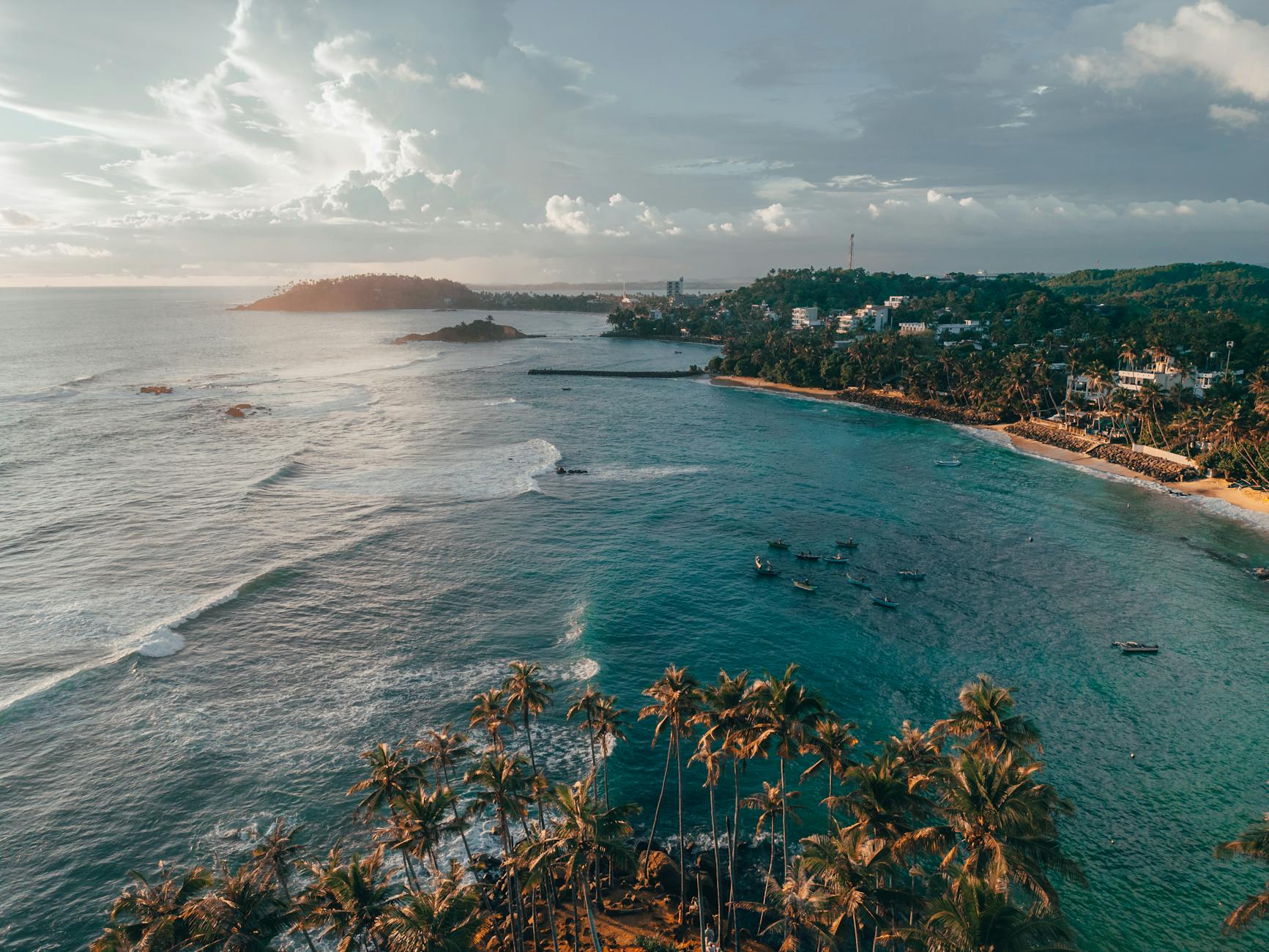
Endless tea estates and golden beaches attract global travelers to this beautiful island in South Asia. Portuguese, Dutch, and British forces took turns dominating the territory to control the lucrative spice trade.
The colonial administrators displaced local farmers and imported cheap labor from southern India to maximize profits. The famous tea trains that tourists love to ride were originally constructed to extract resources from the colonized interior.
Cuba
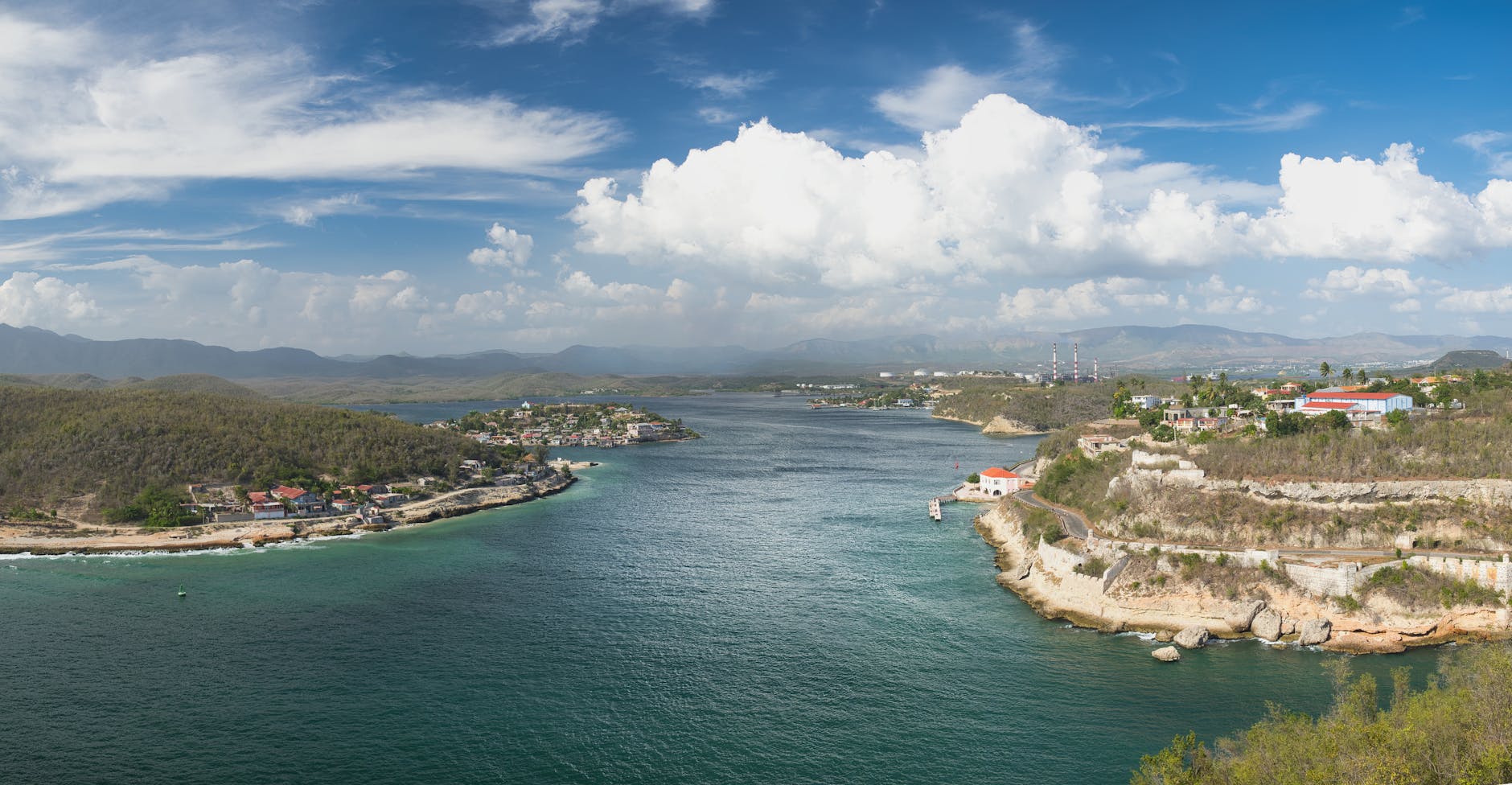
Classic cars and lively music draw millions of curious vacationers to the largest island in the Caribbean. The territory endured centuries of brutal Spanish dominion which eradicated the native population entirely.
Immense wealth flowed to Europe from the sprawling sugar and tobacco plantations worked by enslaved individuals. Tourists wandering the colorful colonial plazas are admiring architecture financed completely by human exploitation.
Fiji
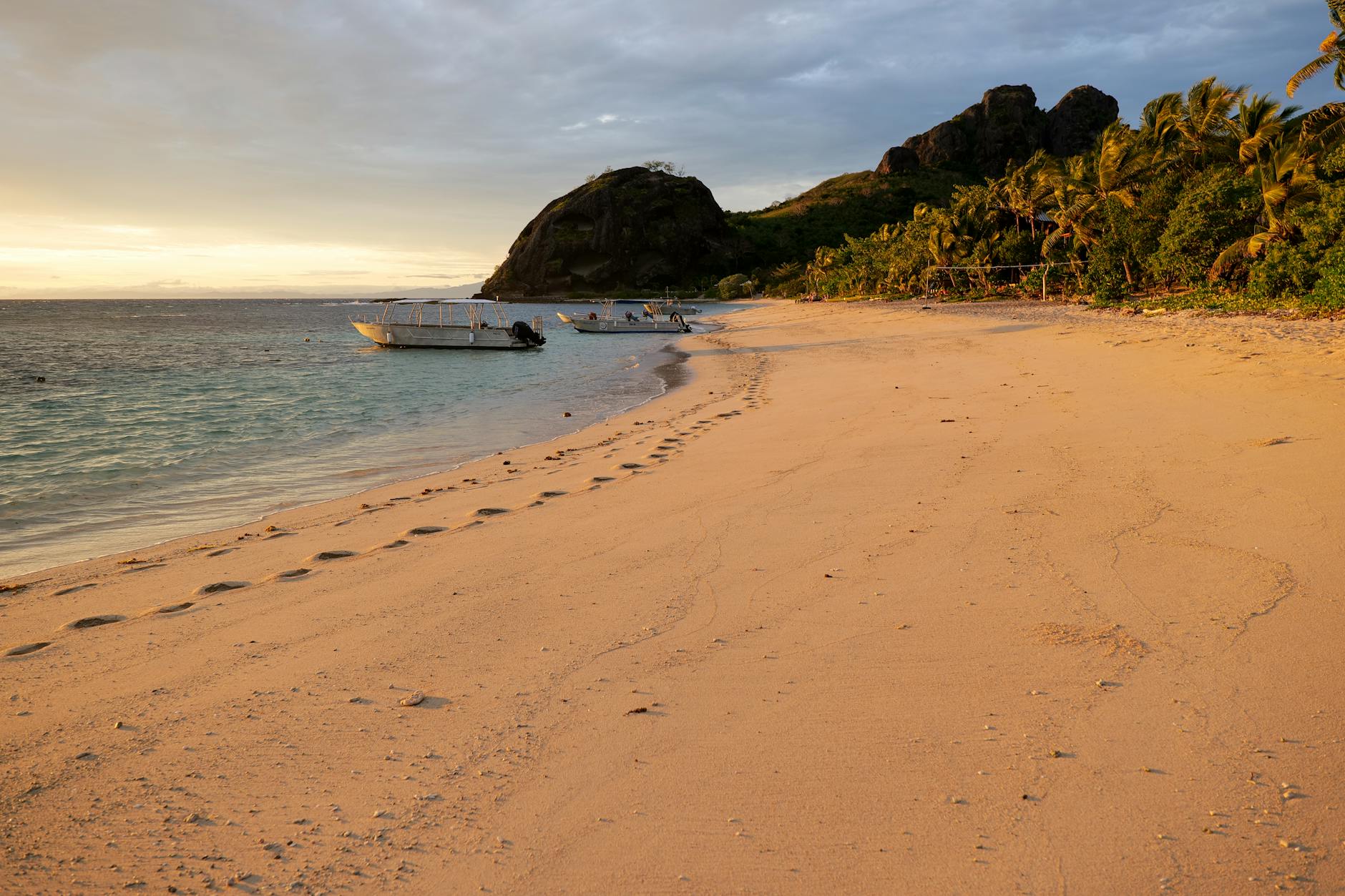
Over three hundred islands comprise this South Pacific paradise famous for its friendly locals and perfect surf breaks. The British Empire acquired the territory and quickly established massive cotton and sugar plantations.
The colonial government transported tens of thousands of Indian laborers across the ocean under deceptive indentured servitude contracts. Modern visitors relaxing in overwater bungalows are blissfully unaware of the immense racial tensions engineered by the old imperial administrators.
Please share your thoughts about balancing modern tourism with these difficult historical legacies in the comments.