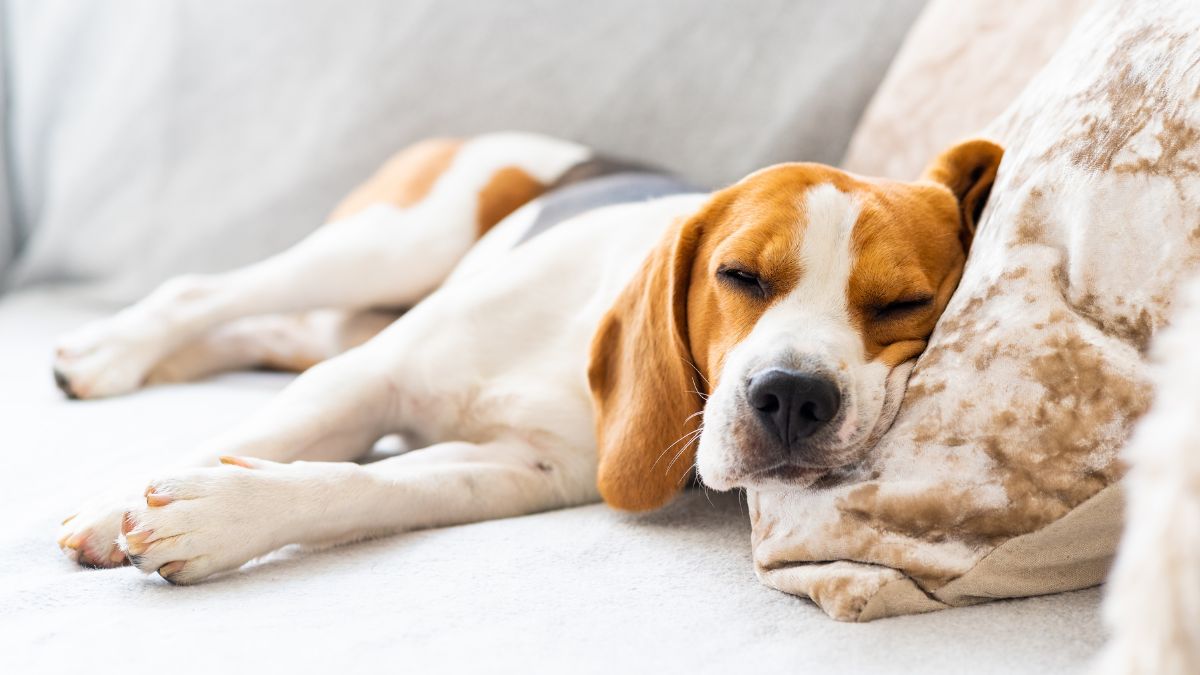
What Ancient Wolves Have to Do With Your Dog’s Favorite Couch Cushion
Anyone who shares a home with a dog has witnessed the ritual. The animal circles, paws at a specific corner of the cushion, scratches with focused determination, and then settles into it as if it has just completed something deeply important. It looks eccentric from across the room, but it is one of the most instinctively loaded behaviors in the entire canine repertoire.
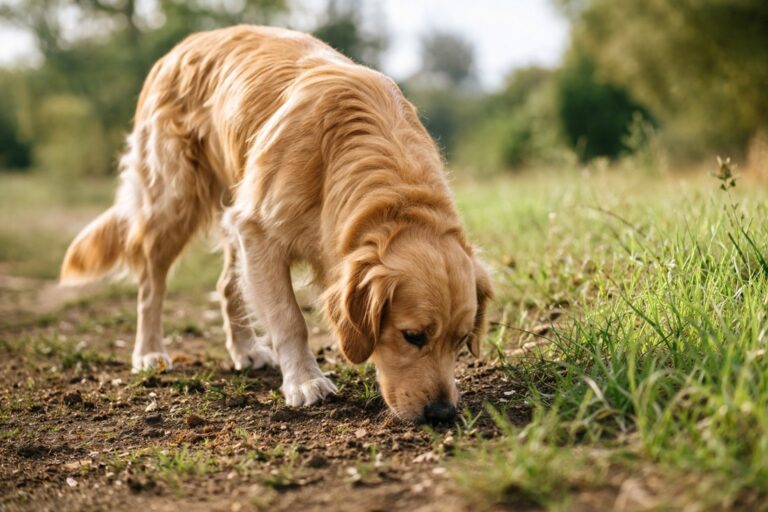
Scratching and digging on soft surfaces are instinctive behaviors inherited from wild canine ancestors who dug dens for shelter, climate control, and predator safety. Wolves, the direct ancestors of domestic dogs, would demonstrate this same behavior when clearing ground of rocks or twigs to make a comfortable and safe spot to rest. Domestication reshaped the dog’s body and temperament across thousands of years, but this ancient behavioral sequence was never fully removed from the equation.
What makes the behavior considerably richer is what is actually happening during the scratching itself. Dogs possess scent glands along the bottom of their paws that secrete pheromones as they dig or scratch, warning nearby animals that they are approaching claimed territory. The sweat released by these glands contains chemical compounds that contribute to an individual dog’s unique scent profile, allowing other dogs to read information from the surface that was scratched. The couch is not simply being adjusted for comfort. It is being signed, which is why a dog returns to scratch the same corner again, refreshing a message that communicates ownership of that precise spot.
Temperature can also play a quieter but equally real role, with scratching helping to adjust the resting area’s warmth or coolness in a way that mirrors how wild dogs once manipulated their environment to regulate body temperature. Even though a couch cushion contains no rocks or twigs, a dog’s instinct to prepare and optimize the sleeping surface remains hardwired, with comfort optimization and safety concealment both part of the behavioral sequence inherited from wild ancestors. The animal is not misbehaving. It is building a den out of whatever materials the modern world has provided.
Emotional state plays a significant role in how intensely this behavior expresses itself. Research suggests that roughly 28% of dogs diagnosed with generalized anxiety express their distress through repetitive scratching of owner-scented objects, and the rhythmic motion of pawing releases a soothing rush of serotonin and endorphins. Dogs with separation anxiety who cannot handle being left alone often use digging as a form of stress relief, creating a safe space for themselves through the familiar physical routine.
Certain breeds, including terriers, huskies, and other hunting or working breeds, show more pronounced digging behaviors due to their lineage and the high energy levels built into generations of selective breeding. For these dogs, the impulse to excavate a cushion is less a quirk and more a direct expression of what they were designed to do.
The couch itself may carry a particular emotional pull as well, since the fabric holds the concentrated scent of the people a dog loves most, enhancing their sense of safety and relaxation when they settle in. Research into free-ranging dogs suggests that domestication shifted canine denning preferences toward proximity to preferred humans, meaning the shared sofa may represent exactly the kind of den site a dog’s instincts are searching for. Digging into that spot is not chaos. It is a very old creature making a home inside a newer one.
If your dog has a particular cushion they return to dig at again and again, we would love to know whether it happens to be the spot where you sit most often and whether you think the scent connection plays a role.