Five Dog Breeds That Skip the Cuddles and Still Make Exceptional Companions
Not every great dog is one that leaps into your lap or demands a belly rub every hour. A certain category of breeds exists outside that familiar mold, and yet these dogs form bonds with their owners that are remarkably deep and enduring. For prospective owners willing to meet a dog on its own terms, they offer something arguably more meaningful than constant affection: steadiness, devotion, and a presence that never wavers.
The breeds that fall into this space are often described as aloof, independent, or reserved. But those labels only describe how they express themselves, not how much they care. The Chow Chow, Akita, Afghan Hound, Chinese Shar-Pei, and Basenji are five of the most compelling examples, each with distinct histories, personalities, and ways of showing that loyalty does not always look like cuddling.
When Independent Dog Breeds Redefine What Loyalty Means
The Chow Chow is perhaps the most striking example of a dog whose appearance invites closeness but whose temperament firmly redirects it. With a flat face, fluffy fur, and curled tail, the Chow Chow’s appearance invites cuddles and affection. However, this regal breed would prefer if their space was respected. That contrast between looks and behavior surprises many first-time owners, but it defines the breed’s particular appeal.
With roots stretching back over two thousand years to northern China, these dogs weren’t just prized for their beauty. They were hardworking hunters, protectors, and royal companions. That history lives on in how they engage with the world today.
The independently minded Chow Chow is smart and loyal to their humans. When in a family unit, a Chow will typically have one person they are especially close with. They are not known to be cuddly dogs and appreciate when their space and boundaries are respected.
Chow Chows are fiercely loyal to their family. This loyalty often manifests as protective behavior, especially toward their home and loved ones. Their guard dog heritage means they alert their owners to unusual activity without excessive barking, making them excellent watchdogs. For the right owner, that quiet vigilance is one of the breed’s most reassuring qualities.
The Akita’s Quiet and Unwavering Devotion
The Akita operates on a different frequency than most dogs. An Akita is not a typical companion dog. They bond intensely with their families and often choose their person, to whom they show unwavering loyalty. That singular focus can feel unusual compared to breeds known for spreading their affection broadly, but for many owners, it is precisely what makes the relationship feel earned.
In Japan, the Akita continues to be regarded as a loyal and courageous dog, and the Japanese now use the Akita as a police dog. Known as a symbol of protection, Japanese parents often receive a small statue of an Akita when their child is born, symbolizing health, happiness, and long life. In 1931, the government of Japan declared the Akita breed to be a national monument and one of Japan’s national treasures.
An Akita is not likely to shower affection on someone who is not a member of their family or a close friend seen frequently. The loyalty and devotion displayed by an Akita is phenomenal. The typical pet Akita will follow you from room to room, yet has the uncanny ability not to be under foot.
Although Akitas may not be as affectionate as some other breeds, they are fiercely loyal. While the Akita can be challenging for many pet owners, in the right hands, these pups can be very versatile. They make great emotional support dogs, and can even be found in athletic competitions.
Afghan Hound: Elegance and Reserved Affection
The Afghan Hound carries an air of aristocratic detachment that can easily be mistaken for indifference. The Afghan Hound is an aloof and dignified aristocrat of sublime beauty. Despite his regal appearance, he is known for his profound loyalty, sensitive nature, and absolute love for those he calls his own.
Due to their sighthound heritage, Afghan Hounds excel in lure coursing, a sport that simulates the chase of live game using a mechanical lure. They are relatively rare dogs, with only about two thousand registered annually in the United States. That rarity reflects both the breed’s specialized demands and its appeal to a particular kind of committed owner.
Independent and dignified, Afghan Hounds bond deeply with their humans and show loyalty like few others. They are affectionate to family but reserved with strangers, making early socialization essential.
The Afghan Hound is elegant, slick, and graceful, best known for its aristocratic appearance, incredible speed, and hunting prowess. The breed truly makes a great companion dog, especially for adults. If treated with great affection and attention, this dog will bond firmly with all family members and will always be at their side wholeheartedly.
Shar-Pei and Basenji: Two Ancient Breeds, One Independent Spirit
The Chinese Shar-Pei brings its own brand of guarded loyalty to the list. Originally bred to guard livestock, Shar-Peis are alert, intelligent, and protective dogs who make excellent guardians. They possess a calm and devoted nature that makes them loving companions. They tend to be aloof with strangers, but are fiercely loyal and affectionate with their own people and love to spend time in the company of their families.
Shar-Peis are affectionate with their chosen people but aren’t typically clingy or overly cuddly. They enjoy being near their humans but also value their independence. They are very calm, confident, strong-minded, and loyal. They are protective and devoted to their family, but they are not overly affectionate because they have an independent personality.
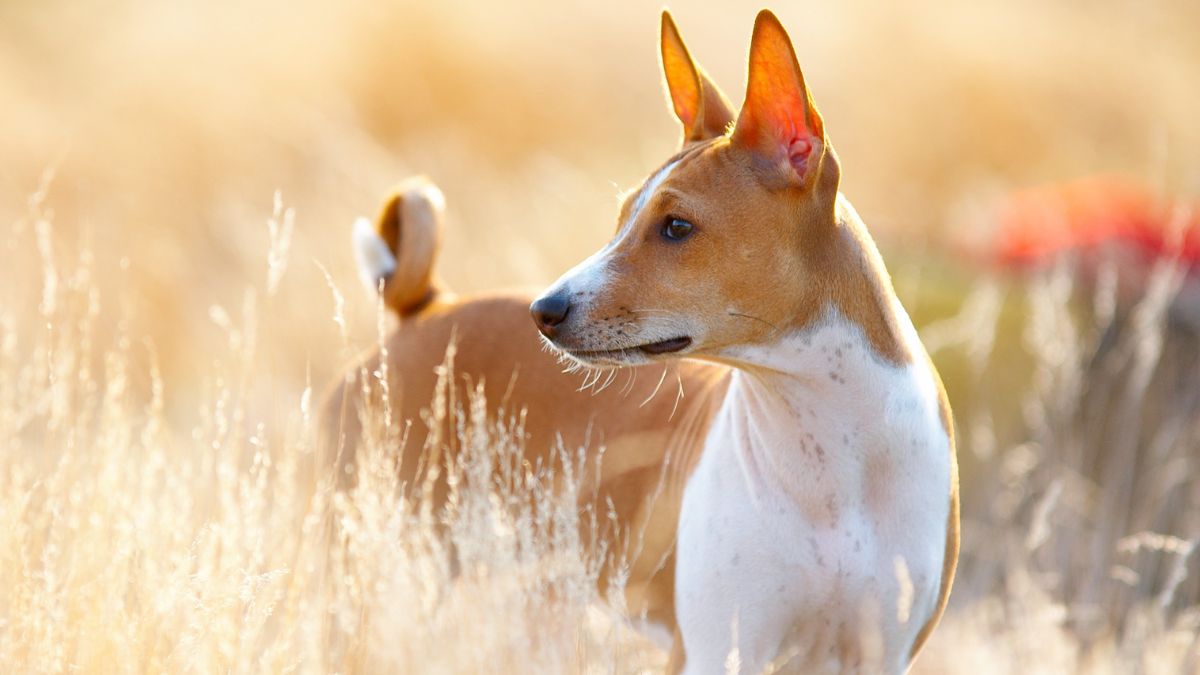
The Basenji rounds out this list with a personality unlike any other domestic breed. The independent Basenji is notorious for being quiet and is often referred to as the barkless dog. These medium-sized pups are frequently described as having a catlike personality because of their aloof temperament, reserved nature, and tendency to groom themselves.
Basenjis bond closely with their family members but are not overly needy. They can be reserved with strangers, and their aloof nature can sometimes make an impression on first meetings. Their independent nature means they are not always the most cuddly or affectionate pets, but they can form strong bonds with their families. Owners who accept that trade-off often describe the relationship as one of the most rewarding they have experienced with a dog.
If you have lived with one of these five breeds or are considering bringing one home, sharing your experience in the comments could help others understand exactly what to expect from a dog that loves quietly but loves deeply.