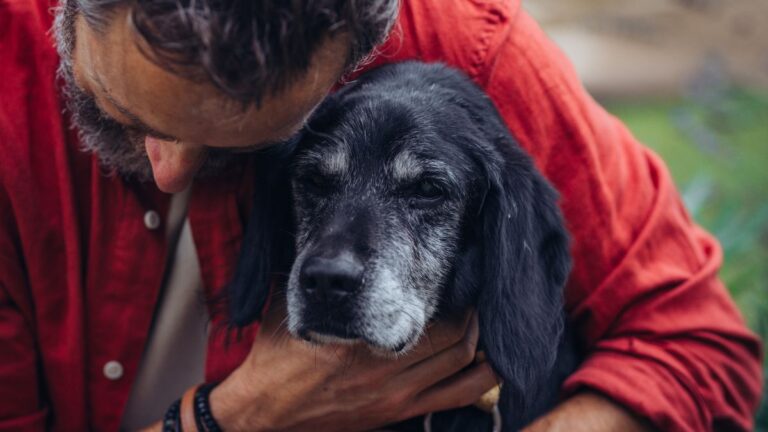

The Everyday Habits That Break Your Dog’s Heart Without You Ever Knowing
Dogs have lived alongside humans for thousands of years, learning to read our moods, match our rhythms, and forgive us endlessly. That loyalty and patience, so freely given, can also make it dangerously easy to miss when something is quietly wrong. Most dogs will never bark loud enough to tell you when they are hurting, and that silence can cost them more than any owner intends.
The bond between people and their ‘dog’ is one of the most studied relationships in the animal world, yet veterinarians and animal behaviourists continue to encounter the same patterns of harm, repeated daily, in homes full of genuine love. Many everyday habits can quietly chip away at a dog’s health, and the trickiest part is that most of them look harmless, even caring, from the outside. Recognising these patterns is not about blame. It is about closing the gap between the love owners feel and the life their dog actually experiences.
The first and most quietly damaging mistake is leaving dogs alone for long, unbroken stretches of time. Every time a dog becomes highly distressed, stress hormones flood the body and can take days to return to normal levels, causing negative long-term effects on both physical health and mental state. Some dogs will sadly learn that calling for their owner to come back does not work, and so they simply learn to suffer in silence. One study reported that as many as eighty percent of dogs have elevated stress hormones when left alone, and any disruption in routine, including a change in the owner’s schedule or the loss of a companion animal, can trigger anxiety.
The second mistake is underestimating how much mental engagement a dog actually needs. Most pet owners understand that dogs need physical exercise, but boredom can lead to serious behavioural problems, particularly in high-energy breeds, resulting in destructive chewing or excessive barking when left without stimulation. Puzzle toys, training games, and varied walking routes all help provide the cognitive engagement dogs genuinely require. A dog that appears calm and well-behaved may simply be exhausted from the effort of suppressing unmet needs.
The third mistake, and one that carries serious long-term consequences, is skipping routine veterinary care. A PetSmart Charities and Gallup study conducted in late 2024 and early 2025 found that more than half of American pet owners, fifty-two percent, had skipped needed veterinary care in the past year, with seventy-one percent citing cost as the primary reason. Veterinary surgeon Dr. Catherine Burke of PDSA, the UK’s leading vet charity, notes that many things dog owners do with the best intentions can affect their pet’s welfare in ways that go completely unnoticed until a problem has grown serious.
What ties all three of these mistakes together is the same quiet tragedy. Dogs are extraordinarily good at adapting, enduring, and appearing fine. A dog that retreats to a secluded corner can be wrongly interpreted as a sign that it does not mind being alone, when in reality it may be suffering in ways that are simply invisible to its owner. Paying closer attention to the small, easy-to-miss signals is one of the most meaningful things any dog owner can do.
Have you noticed any of these patterns in your own home, and what changes made the biggest difference for your dog’s wellbeing?