
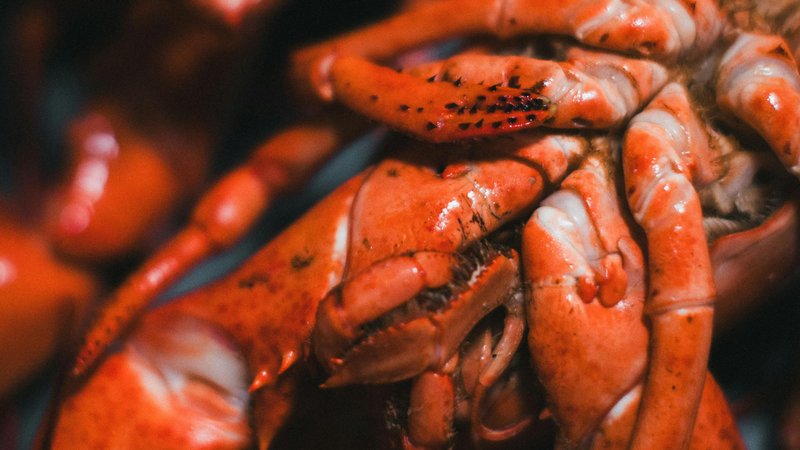
Can Cats Eat Lobster? Safety Guide for Pet Owners
Lobster is considered a luxury food for humans, but many cat owners find themselves wondering if their feline can share a bite. The short answer is yes — but only under very specific conditions.
Understanding what makes lobster safe or risky for cats requires a closer look at how it is prepared, how much is offered, and what ingredients surround it. Getting these details right can make the difference between a harmless treat and a trip to the vet.
Nutritional Profile of Lobster for Cats
Lobster is genuinely nutritious. According to WebMD’s nutrition breakdown, lobster is a great source of omega-3 fats, vitamin D, and high-quality protein — all nutrients that support a cat’s coat, immune system, and muscle health.
Cats are obligate carnivores, which means animal-based protein is central to their diet. In that sense, the protein content in lobster aligns well with their biological needs.
However, lobster also contains sodium and cholesterol in amounts that can become problematic when consumed regularly or in large quantities. Nutritional benefits only apply when lobster is treated as an occasional treat, not a dietary staple.
Safe Preparation Methods and Portion Guidelines
Preparation is everything when it comes to feeding lobster to cats. Plain, fully cooked lobster meat with no added seasonings is the only version that is appropriate to share.
Garlic, onions, butter, and salt — common in human lobster dishes — are all harmful to cats and must be completely avoided. Even small amounts of these ingredients can cause toxicity, digestive distress, or damage to red blood cells.
Portions should always be kept small. A few small pieces of plain cooked lobster meat, offered no more than occasionally, is the appropriate limit for most adult cats. The shell must always be removed, as it poses a serious choking hazard and can cause internal injuries.
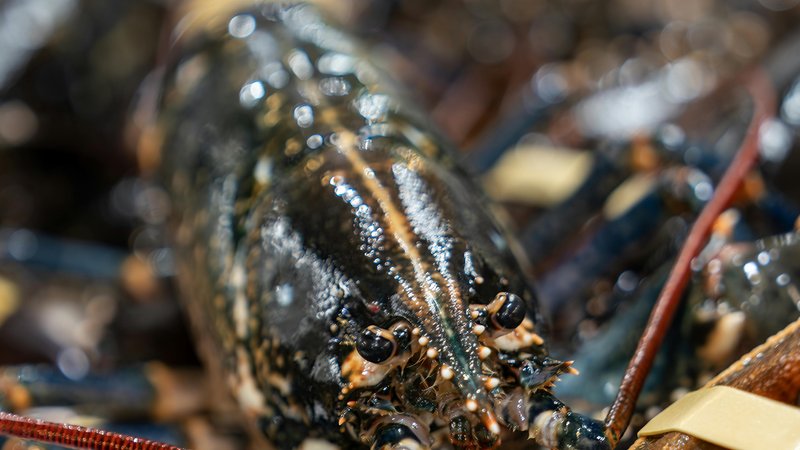
Potential Health Risks and Sodium Concerns
One of the most significant concerns with lobster is its naturally high sodium content. Cats have a much lower sodium tolerance than humans, and excess salt can lead to dehydration, increased thirst, and in severe cases, sodium ion poisoning.
The ASPCA’s guidance on toxic foods reinforces that high-sodium foods can be dangerous for pets, even when the ingredient itself is not inherently poisonous. This is why preparation method matters so much.
Shellfish can also trigger allergic reactions in some cats. If your cat has never eaten lobster before, introduce it in a very small amount first and monitor closely for any unusual symptoms.
Raw lobster carries additional risks. Raw shellfish can harbor harmful bacteria and parasites that may cause gastrointestinal illness. Always cook lobster thoroughly before offering any to your cat.
Safer Seafood Alternatives for Your Cat
If you enjoy sharing seafood with your cat but want lower-risk options, there are better choices available. As noted by veterinary sources at Zoorithm’s cat feeding guide, cooked shrimp, canned tuna or salmon in water, and commercial seafood-flavored cat treats are safer alternatives.
These options tend to have lower sodium levels and are easier to portion appropriately. Commercial seafood treats are specifically formulated to meet feline nutritional needs without the risks that come with preparing human seafood dishes.
Understanding how cats choose their favorite person often comes down to who feeds them — but choosing the right treats matters just as much as the gesture itself.
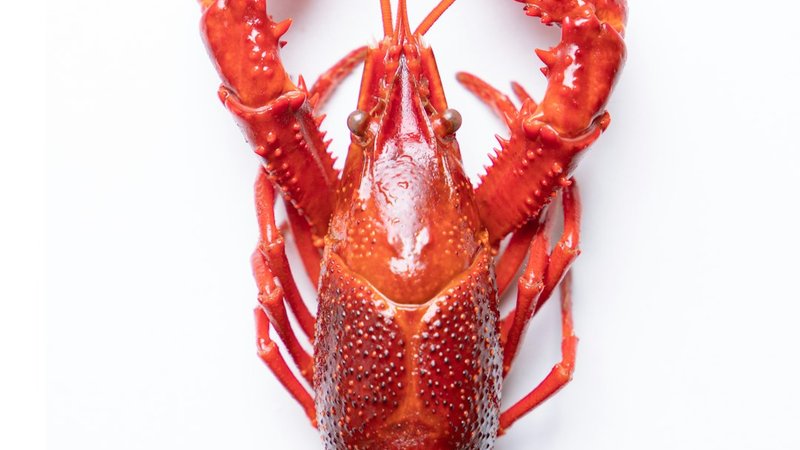
Signs of Adverse Reactions and When to Contact Your Veterinarian
After your cat eats lobster for the first time, watch carefully for any signs of a negative reaction. Symptoms to look for include vomiting, diarrhea, lethargy, excessive drooling, or swelling around the face and mouth.
Digestive upset that resolves within a few hours may simply be a sensitivity to a new food. However, if symptoms persist or worsen, contact your veterinarian promptly.
Allergic reactions, though less common in cats than in humans, can escalate quickly. Facial swelling, difficulty breathing, or sudden collapse are emergencies that require immediate veterinary attention. The VCA Hospitals overview of food allergies in cats provides helpful context on how these reactions develop and what signs to watch for.
If you are ever uncertain about what your cat can safely eat, consulting your veterinarian before introducing a new food is always the wisest approach. If you travel frequently with your feline companion, resources like traveling internationally with a cat can also help you navigate feeding routines away from home.