Can Dogs Eat Hummus? Safety Guide for Pet Owners
You’re snacking on hummus and your dog is giving you those irresistible eyes. It’s tempting to share, but before you do, it’s worth knowing exactly what’s in that dip and how it affects your dog’s body.
The short answer is no — dogs should not eat hummus. While the main ingredient, chickpeas, isn’t toxic on its own, hummus contains several other ingredients that can cause real harm to your pet.
Understanding Hummus Ingredients and Their Effects on Dogs
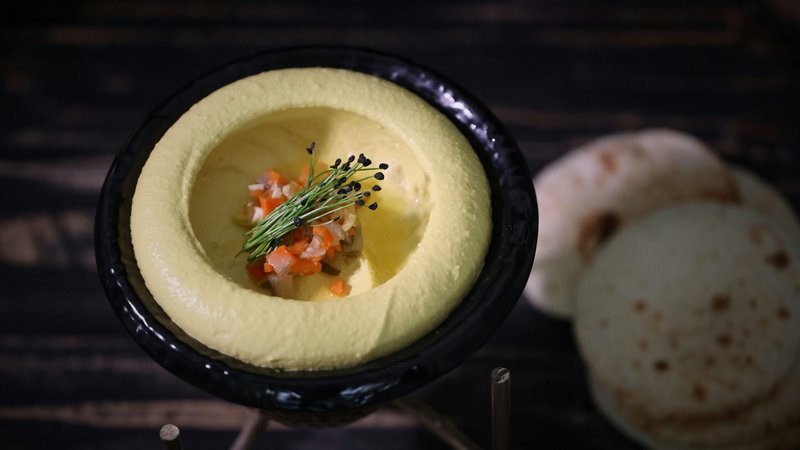
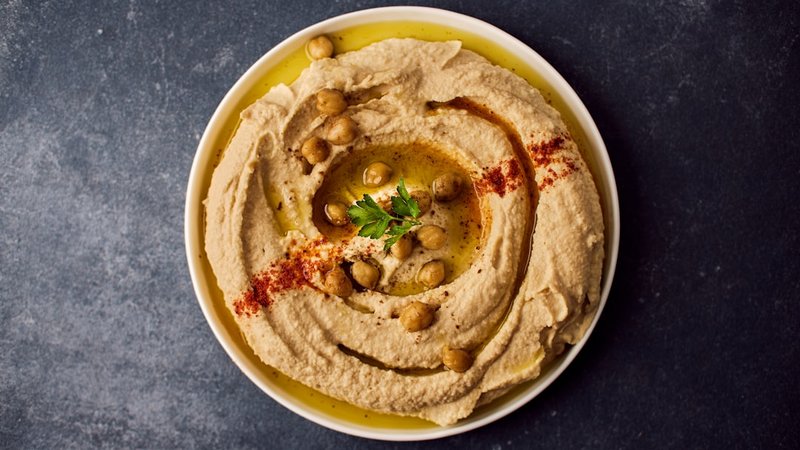
Traditional hummus is made from blended chickpeas, tahini, olive oil, lemon juice, and garlic. Each of these plays a role in creating the creamy texture and bold flavor humans love.
Plain, cooked chickpeas are generally safe for dogs in small amounts. They provide protein and fiber. However, hummus is never just chickpeas — the combination of added ingredients is where the danger lies.
Tahini, made from ground sesame seeds, isn’t acutely toxic but is high in fat and calories. If you’re curious about sesame in your dog’s diet more broadly, sesame seed safety for dogs is a topic worth exploring separately. Even small amounts of high-fat foods can upset a dog’s stomach or contribute to longer-term health issues.
Toxic Components: Garlic, Onions, and Salt Risks
Garlic is one of the most dangerous ingredients in hummus for dogs. It belongs to the Allium family and contains compounds that damage red blood cells, potentially leading to hemolytic anemia.
Even small doses of garlic can be harmful. Research into Allium toxicity in animals confirms that garlic is significantly more potent than onion by weight, making it especially risky even in trace amounts found in dips or sauces.
Many store-bought hummus varieties also contain added salt. Excess sodium in dogs can cause vomiting, diarrhea, tremors, and in severe cases, sodium ion poisoning. Always check labels if you’re unsure what’s inside a packaged product.
Digestive and Health Concerns from High Fat Content
Olive oil and tahini both contribute significant fat to hummus. While healthy fats have a place in a balanced canine diet, too much fat at once overwhelms a dog’s digestive system.
High-fat meals are a known trigger for pancreatitis in dogs — a painful and potentially life-threatening inflammation of the pancreas. Even a single large serving of a fatty food can cause an acute episode in susceptible dogs.
Lemon juice, another common hummus ingredient, can also cause gastrointestinal upset. Dogs are sensitive to citric acid, and ingestion may lead to vomiting or diarrhea shortly after eating.
Safe Alternatives and Breed-Specific Considerations
If you want to give your dog a treat that feels special, plain cooked chickpeas — with no added seasoning — are a far safer option. They’re rich in plant-based protein and fiber without the harmful additives.
It’s also worth remembering that breed-specific nutritional needs vary considerably. Smaller breeds may be more sensitive to even tiny amounts of toxic ingredients, while larger breeds with certain health conditions may have different fat tolerances entirely.
Other nutrient-rich snack options include plain carrots, blueberries, or cucumber slices. These are low in calories, easy to digest, and genuinely enjoyable for most dogs.
What to Do If Your Dog Consumes Hummus
If your dog ate a small lick of hummus, don’t panic. Monitor them closely for the next 24 to 48 hours for signs of digestive distress, including vomiting, diarrhea, lethargy, or loss of appetite.
If your dog consumed a larger quantity — especially a garlic-heavy variety — contact your veterinarian immediately. Garlic toxicity symptoms can be delayed by several days, so early intervention matters.
Always bring the product packaging to your vet or be ready to describe the ingredients. Knowing exactly what your dog ate helps your vet assess the risk level and recommend the right course of action quickly.
When in doubt, keep hummus and similar dips well out of reach. Your dog doesn’t need to share your snack — there are plenty of dog-safe treats that are just as rewarding for them.