
Can Dogs Eat Flaxseed? Safety & Benefits Guide
Flaxseed has earned a strong reputation as a superfood for humans, but pet owners are increasingly asking whether it belongs in their dog’s bowl too. The short answer is yes — with important caveats around dose, form, and your dog’s individual health.
Understanding exactly how flaxseed works in a dog’s body can help you make a genuinely informed decision. It’s not as simple as sprinkling seeds on kibble and calling it a day.
Nutritional Profile: Omega Fatty Acids and Essential Nutrients
Flaxseed is one of the richest plant-based sources of alpha-linolenic acid (ALA), a type of omega-3 fatty acid. It also contains lignans, soluble fiber, and plant protein, making it a genuinely dense nutritional package.
Beyond omega-3s, flaxseed delivers manganese, magnesium, phosphorus, and B vitamins. These micronutrients support everything from bone health to energy metabolism in dogs.
Safety Guidelines: Appropriate Dosage for Different Dog Sizes
Dosage matters enormously with flaxseed. According to safe flaxseed limits for companion animals, a reasonable guideline is 1 gram of flaxseed per kilogram of body weight per day.
For practical reference, a 60-pound (27 kg) dog could safely consume up to approximately 2 tablespoons of ground flaxseed daily. Smaller dogs should receive proportionally less, and you should always start with a fraction of the maximum dose.
Never exceed these thresholds. Overfeeding flaxseed can cause digestive upset, loose stools, and in extreme cases, toxicity concerns related to cyanogenic compounds naturally present in raw seeds.

Bioavailability Concerns: How Dogs Process Flaxseed vs Fish Oil
Here is where flaxseed gets complicated for dogs. The ALA in flaxseed must be converted by the body into EPA and DHA — the active omega-3 forms that deliver anti-inflammatory benefits.
Dogs convert ALA very inefficiently. As detailed in peer-reviewed omega-3 research, multiple studies found no meaningful increase in circulating EPA or DHA after ALA supplementation in dogs, making fish oil a more reliable omega-3 source for direct therapeutic effects.
This doesn’t make flaxseed worthless — its fiber, lignans, and other nutrients still offer real value. But if your vet recommends omega-3s for a specific condition, fish oil is typically the better choice.
Health Benefits: Coat, Immune Function, and Anti-Inflammatory Effects
Even with the conversion limitation, many dog owners and veterinarians report noticeable improvements in coat quality after adding flaxseed to a dog’s diet. The combination of fatty acids, fiber, and lignans appears to support skin moisture and shine.
Lignans in particular have antioxidant properties that may support immune function. Some research also points to potential benefits for digestive regularity, thanks to flaxseed’s soluble fiber content.
If you enjoy preparing your dog’s meals at home, incorporating homemade venison dog food alongside nutrient-dense seeds can round out a balanced, whole-food diet. Always balance additions carefully with your vet’s guidance.
Potential Risks: Allergies, Toxicity Thresholds, and Medication Interactions
Flaxseed allergies in dogs are uncommon but real. Research on seed allergies notes that flaxseed has the potential to induce severe allergic reactions, particularly in animals already sensitized to other seeds. Dogs with known sesame, sunflower, or soy sensitivities may be at higher risk.
Flaxseed can also interact with blood-thinning medications and may affect blood sugar regulation. Always inform your veterinarian before adding it to the diet of a dog on any medication.
Dogs that are prone to seed-related sensitivities may also react to similar foods — our article on sesame seeds for dogs covers another common seed with overlapping allergy concerns worth reviewing.
Flaxseed Forms Compared: Ground, Whole Seeds, and Oil Effectiveness
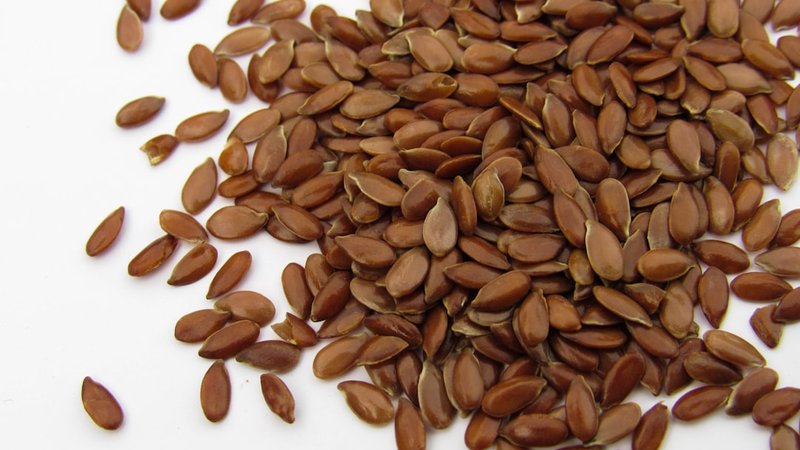
Whole flaxseeds pass through a dog’s digestive tract largely intact, which means most of the nutritional value is lost. Ground flaxseed is far more bioavailable and the preferred form for supplementation.
Flaxseed oil delivers concentrated ALA without fiber or lignans. It’s easier to dose precisely, but you lose the gut health benefits that ground seeds provide. VCA’s flaxseed oil overview outlines how the oil form is commonly used in veterinary practice for skin and coat support.
Ground flaxseed is generally the best all-around option for most dogs. Store it in the refrigerator after opening to prevent the oils from going rancid, which can negate its benefits and potentially cause digestive issues.
If you’re also exploring other seed-based supplements, the benefits of chia seeds for dogs make for a useful comparison — both seeds offer omega-3s and fiber, but with different absorption profiles and risk considerations.
Used correctly, flaxseed can be a worthwhile addition to your dog’s diet. Start small, choose ground over whole, and always loop in your veterinarian before making it a regular supplement.