
Can Dogs Eat Sunflower Seeds? Safety Guide
Sunflower seeds are a popular human snack, and it’s only natural to wonder whether your dog can share in the fun. The short answer is yes — but with some important conditions that every dog owner should understand before tossing one to their pup.
Not all sunflower seeds are created equal, and the way they are prepared makes all the difference. Getting this wrong can turn a healthy treat into a serious health risk.
Safety Profile: Plain, Unsalted Sunflower Seeds for Dogs
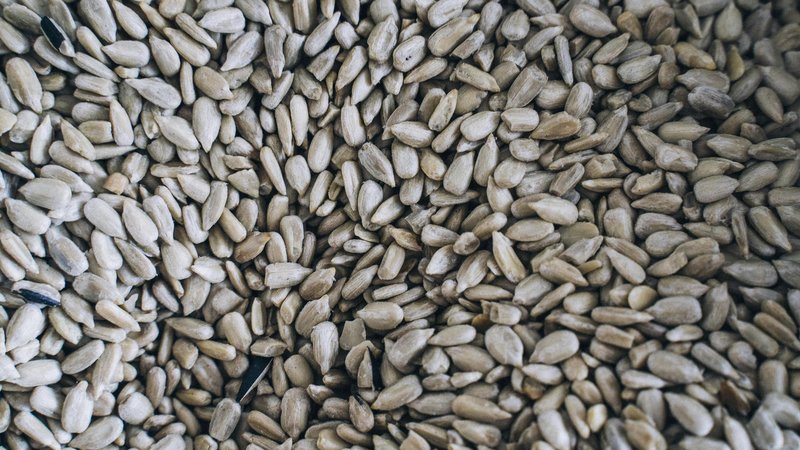
Plain, unsalted, and shelled sunflower seeds are generally considered safe for dogs in small amounts. The key word here is “plain” — seeds loaded with salt, seasoning, or flavorings should never be offered to your dog.
Salt is toxic to dogs in significant quantities and can cause sodium ion poisoning. Even moderate amounts of salted seeds fed regularly can lead to excessive thirst, urination, and kidney strain.
Preparation Methods and Portion Control Guidelines
Always remove the shell before feeding sunflower seeds to your dog. The hard outer shell is difficult to digest and poses a real choking hazard, especially for smaller breeds.
Raw or dry-roasted seeds without any added ingredients are the safest options. Limit servings to just a small pinch — roughly 10 to 20 seeds — no more than a few times per week.
Sunflower seeds are calorie-dense. According to nutritional comparison data, dry roasted sunflower seeds contain around 165 calories per ounce. That adds up quickly for a small dog.
Nutritional Benefits and Health Considerations
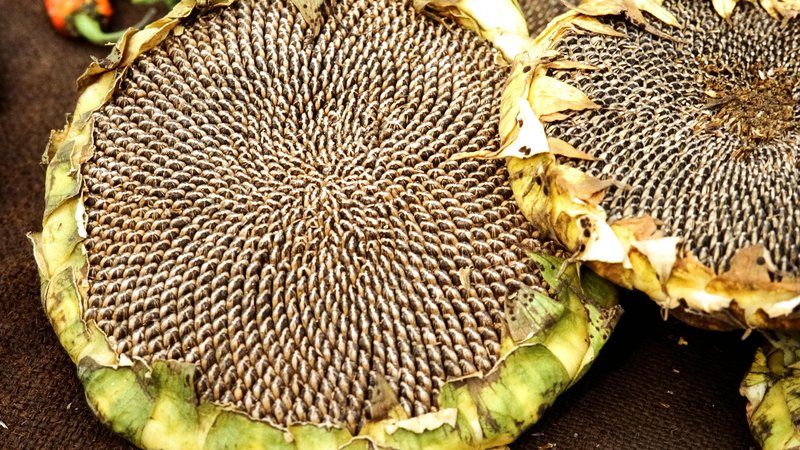
Sunflower seeds are genuinely nutritious when given appropriately. They are rich in vitamin E, healthy unsaturated fats, magnesium, and selenium — all nutrients that support a dog’s immune function, skin health, and cellular repair.
The linoleic acid content in sunflower seeds is particularly valuable for skin and coat quality. Dog owners who have incorporated sunflower seeds into their pet’s diet report visible improvements in coat shine and reduced itching, as highlighted in real owner experiences with sunflower seed diets.
If you’re exploring other seeds with similar benefits, chia seeds for dogs offer an excellent source of omega-3 fatty acids and fiber worth considering alongside sunflower seeds.
Potential Risks: Choking, Digestive Issues, and Pancreatitis
Despite their benefits, sunflower seeds carry real risks if overfed. Their high fat content can trigger pancreatitis in dogs that are prone to digestive problems or those with a history of the condition.
Signs of pancreatitis include vomiting, lethargy, abdominal pain, and loss of appetite. If you notice any of these after introducing sunflower seeds, stop immediately and contact your veterinarian.
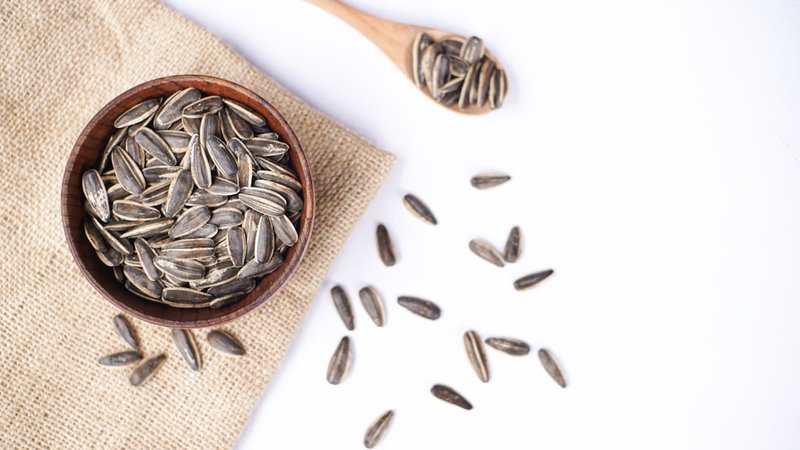
Shells left on seeds are another concern. They can cause intestinal blockages and irritate the digestive tract, particularly in small breeds. Always shell seeds thoroughly before serving.
Sunflower Seeds Versus Other Seed Treats for Dogs
Sunflower seeds aren’t the only seed option worth exploring for your dog. Many pet owners also ask about whether sesame seeds are safe for dogs — another common pantry staple with its own nutritional profile.
Compared to flax seeds and pumpkin seeds, sunflower seeds are higher in calories but deliver a strong punch of vitamin E and healthy fats. Each seed type brings different strengths, so variety in moderation is often the smarter approach.
Age and Breed-Specific Feeding Recommendations
A dog’s age plays a major role in how well they handle fatty treats like sunflower seeds. According to VCA Hospitals’ senior dog age guidelines, medium-sized dogs are considered seniors at 10 years old, while giant breeds reach senior status around age 7.
Senior dogs often have slower metabolisms and more sensitive digestive systems. Reducing or eliminating high-fat treats like sunflower seeds is wise for older dogs, especially those managing weight or chronic health conditions.
Small breeds are also more vulnerable to choking and calorie overload from dense foods. For toy and miniature breeds, even a few seeds can represent a meaningful portion of their daily caloric intake — so always scale portions to your dog’s size.
When introduced correctly — plain, shelled, and in small amounts — sunflower seeds can be a genuinely beneficial occasional treat for most healthy adult dogs. As with any dietary addition, starting slow and watching for any adverse reactions is always the safest path forward.