Can Dogs Eat Peanut Butter? Safety Guide
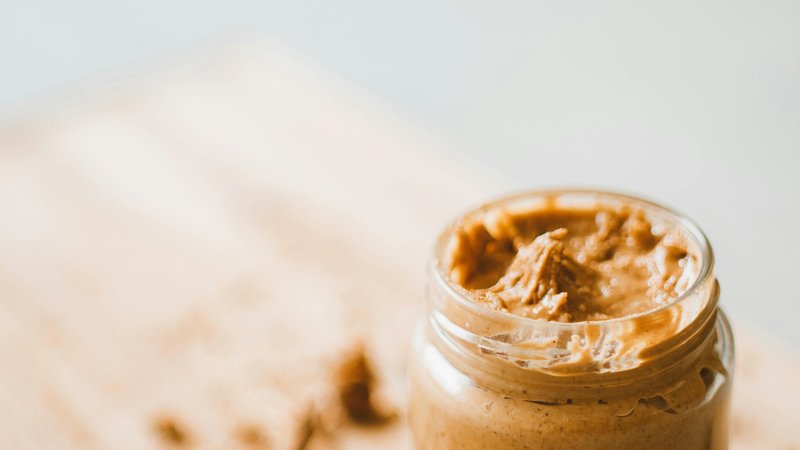
Most dog owners have used peanut butter as a go-to treat, stuffed inside a Kong toy or spread on a spoon to distract a pup during bath time. It is delicious, affordable, and dogs absolutely love it.
But is it actually safe? The short answer is yes — with some important conditions. Knowing what to look for on the label can make all the difference between a harmless treat and a veterinary emergency.
Understanding Xylitol: The Hidden Danger in Peanut Butter
The single biggest threat hiding in certain peanut butter brands is xylitol, an artificial sweetener used in many sugar-free and “natural” products. Even small amounts of xylitol can cause a rapid and life-threatening drop in a dog’s blood sugar.
According to xylitol poisoning data from PetMD, symptoms can include vomiting, loss of coordination, seizures, and liver failure. This is not an allergy reaction — it is outright toxicity.
Always read the ingredient label before giving any peanut butter to your dog. If you see xylitol listed anywhere, do not use that product. Check for it under alternative names like “birch sugar” as well.
Nutritional Profile and Health Considerations for Dogs
Peanut butter contains protein, healthy fats, vitamin B, niacin, and vitamin E. These nutrients can offer genuine benefits when peanut butter is given in moderation as part of a balanced diet.
That said, peanut butter is calorie-dense. Too much of it too often can contribute to weight gain and pancreatitis, particularly in dogs that are already overweight or prone to digestive issues.
Research published in the NIH nutritional study on nuts notes that roughly 50% of peanut consumption in the United States occurs through peanut butter, making it one of the most widely eaten nut-based foods. For dogs, that popularity means owners need to be especially informed about how much is appropriate.
Safe Peanut Butter Brands and Portion Guidelines
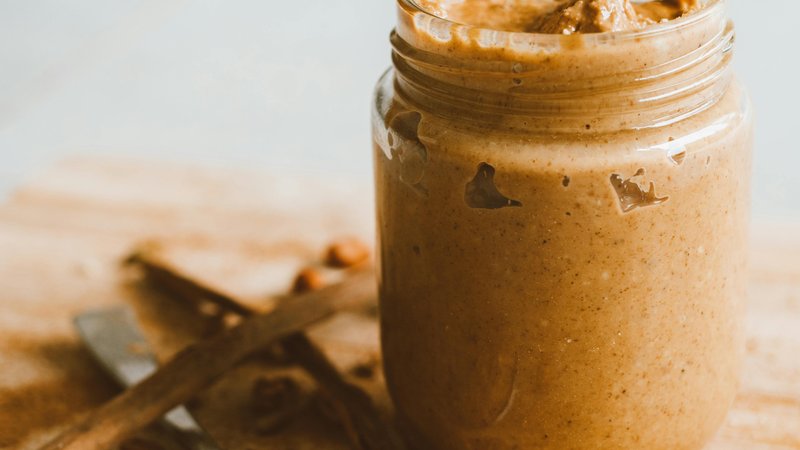
Stick to plain, unsalted peanut butter with no added sugar, no artificial sweeteners, and a short ingredient list. Brands like Jif Natural, Skippy, and generic store brands are generally safe, but always verify the ingredient list yourself.
It is worth noting that all peanut butters share similar nutrition profiles, though some natural varieties contain slightly more added sugar than others. For dogs, the simpler the formula, the better.
As a general guideline, small dogs should have no more than half a teaspoon per day, while larger dogs can safely enjoy up to one tablespoon. Treats should never exceed 10% of a dog’s total daily caloric intake.
Peanut Allergies and Sensitivity Symptoms in Dogs
While not common, some dogs are genuinely allergic to peanuts. This is different from xylitol toxicity and involves the immune system reacting to proteins found in the peanut itself.
According to peanut butter allergy information from Wagwalking, symptoms may appear gradually over time with repeated exposure or may emerge suddenly as anaphylactic shock. Signs to watch for include itching, hives, swelling, vomiting, and difficulty breathing.
If your dog shows any unusual reaction after eating peanut butter, stop feeding it immediately and contact your veterinarian. Dogs that enjoy other nut-based foods without issue may still develop a sensitivity to peanuts specifically — if you’re curious about similar snacks, sesame seeds for dogs are another option worth understanding before offering them as treats.
Best Practices for Introducing and Serving Peanut Butter to Your Dog
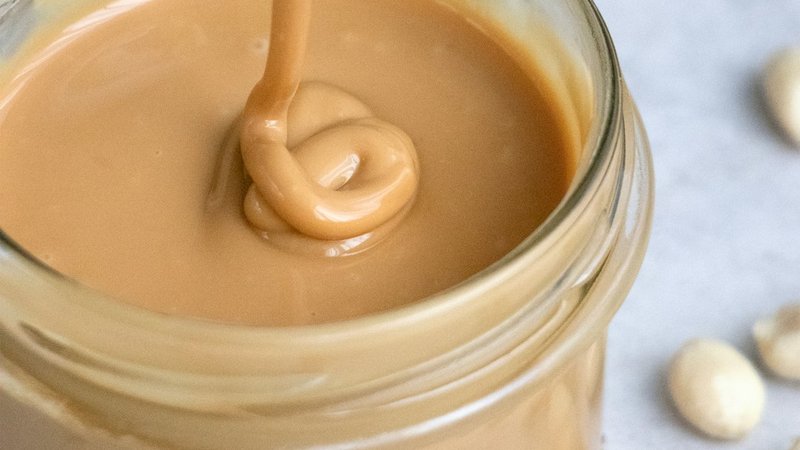
When introducing peanut butter for the first time, start with a tiny amount and observe your dog closely for 24 to 48 hours. Look for any signs of digestive upset, skin irritation, or behavioral changes.
Peanut butter works well as an occasional reward or as a way to administer medication. It should not become a daily staple. Rotating it with other dog-safe foods keeps treat time exciting without overloading your dog with fat and calories.
The AKC nutrition guidance recommends consulting your vet before making any significant changes to your dog’s treat routine, especially if your dog has a history of food sensitivities, obesity, or pancreatitis.
Used wisely, peanut butter can be a safe, enjoyable part of your dog’s life. The key is staying informed, reading labels carefully, and always keeping portions in check.