
20 Exotic Pets Allowed in Europe: Complete Legal Guide
Navigating the rules around exotic pets allowed in Europe can feel overwhelming. Regulations vary significantly between member states, and the legal landscape is shifting rapidly as the EU moves toward stricter animal welfare frameworks.
Whether you are a seasoned hobbyist or a first-time exotic pet owner, understanding what is legally permitted is essential. This guide covers 20 species, their current legal standing, and the key compliance steps every owner should know.
Understanding Positive and Negative List Regulatory Approaches in Europe
Europe is actively debating two regulatory models: positive lists (only approved species may be kept) and negative lists (all species are allowed except banned ones). Several EU member states, including Belgium and the Netherlands, have already adopted positive list systems.
Research published on exotic pet trade dynamics reveals that industry stakeholders have pushed back strongly, with one expert noting: “due to economic interests, the sectors involved will offer resistance and will oppose its application because what they are interested in is a market that is as free as possible for fauna.” Understanding this political tension helps owners anticipate future regulatory changes.
1. Ferrets: Legal Status and Ownership Requirements Across EU Member States
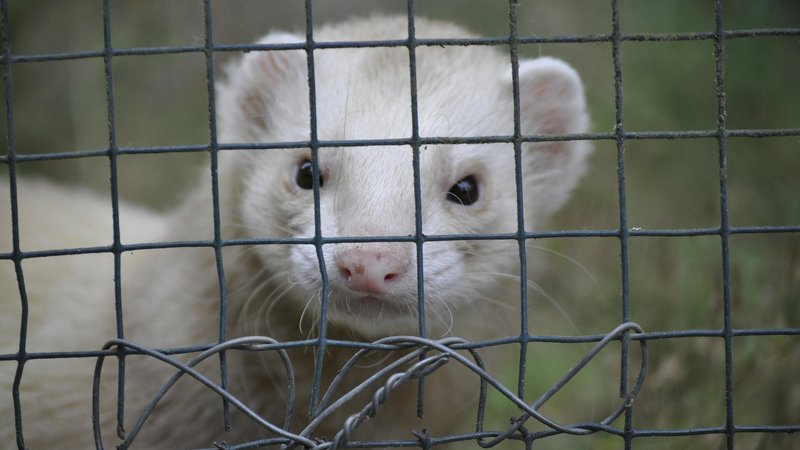
Ferrets are legal in most EU countries and are considered domesticated in many jurisdictions. They typically require rabies vaccinations and microchipping, especially for cross-border travel within Europe.
- Key Detail: Rabies vaccination and EU pet passport are mandatory for travel between member states.
- Important Note: Some positive list countries require ferrets to be registered with local authorities.
2. Rabbits and Guinea Pigs: Domesticated Exotic Species with Minimal Restrictions

Rabbits and guinea pigs face minimal legal restrictions across Europe and are widely accepted as companion animals. They do not typically require CITES documentation since they are fully domesticated species.
- Key Detail: No CITES listing applies; standard animal welfare laws govern their care.
- Important Note: Welfare standards still require adequate space, diet, and veterinary access.
3. Chinchillas: Breeding Standards and Welfare Compliance in Europe

Chinchillas are legal throughout Europe and are popular exotic pets due to their soft fur and social nature. Captive-bred animals are widely available, and no CITES permit is required for domestically bred individuals.
- Key Detail: Wild chinchilla species are CITES Appendix I listed; only captive-bred animals are permitted.
- Important Note: Breeders must maintain records proving captive origin to comply with EU wildlife trade rules.
4. Hedgehogs: Regional Variations in Legal Ownership and Care Standards

African pygmy hedgehogs are legal in many EU countries but banned or restricted in others, including some Scandinavian nations. Always verify local legislation before acquiring one, as rules differ dramatically by region.
- Key Detail: Banned in countries where native hedgehog species could be threatened by escapes.
- Important Note: Captive-bred documentation is critical for legal ownership in permissive countries.
5. Corn Snakes: Popular Reptiles with Standardized European Regulations
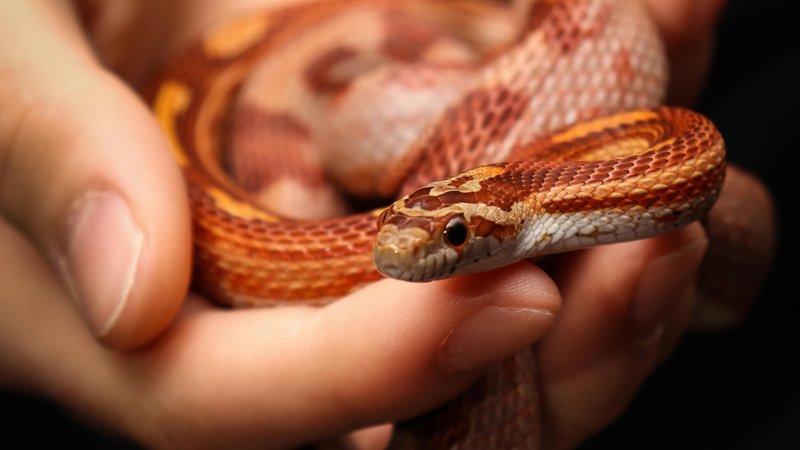
Corn snakes are among the most commonly kept reptiles in Europe and face relatively straightforward regulations. They are not CITES listed, making import and ownership significantly simpler than for many other snake species.
- Key Detail: Not listed under CITES, so no import permits are required for captive-bred animals.
- Important Note: Local welfare laws still require appropriate enclosures, temperature gradients, and feeding records.
6. Bearded Dragons: Captive-Bred Species and Import Documentation
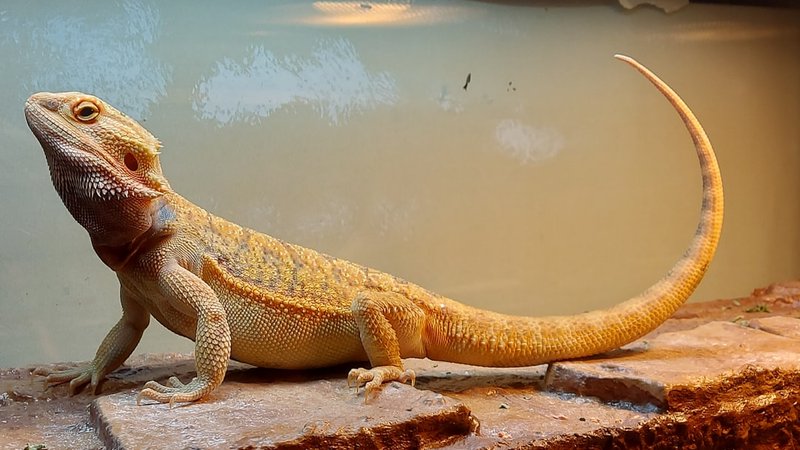
Bearded dragons are legal across most of Europe when sourced from captive-bred stock. Australia bans the export of wild-caught specimens, so European animals are almost exclusively captive-bred, simplifying legal compliance.
- Key Detail: Captive-bred status must be documented; wild-caught import is effectively prohibited.
- Important Note: UVB lighting and specialized diet are welfare requirements increasingly scrutinized by inspectors.
7. Ball Pythons: CITES Compliance and Legal Breeding in EU Countries

Ball pythons are listed under CITES Appendix II, meaning trade is regulated but not prohibited. EU importers must obtain valid CITES permits, and captive-bred specimens require traceability documentation from breeders.
- Key Detail: CITES Appendix II listing requires import/export permits for all commercial transactions.
- Important Note: Captive-bred EU animals can be traded internally without export permits from source countries.
8. Leopard Geckos: Welfare Requirements and Positive List Considerations
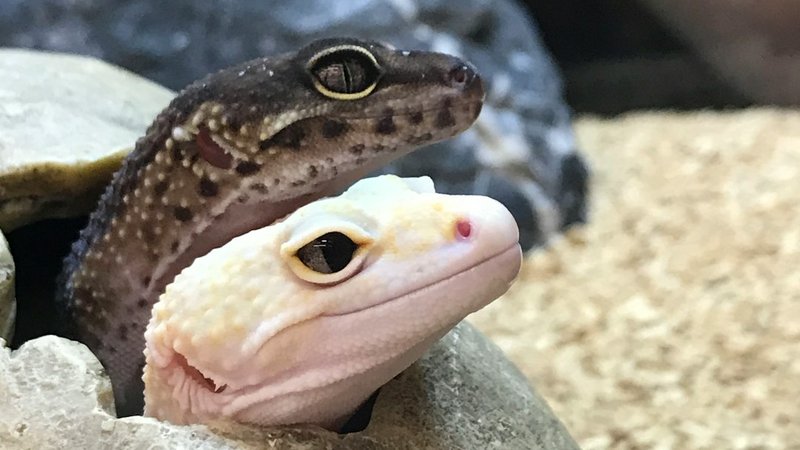
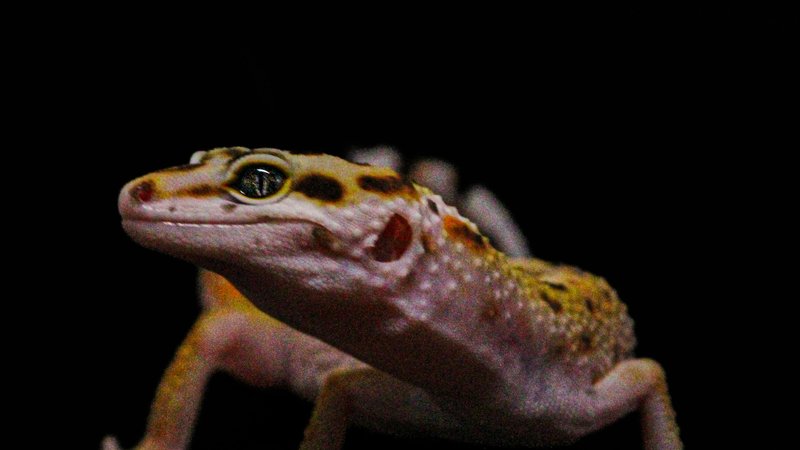
Leopard geckos are widely kept and legal throughout Europe. They appear on most positive lists where such systems exist, largely because they are fully established in captive breeding programs with no wild-capture pressure.
- Key Detail: Included on Belgium’s and the Netherlands’ positive lists for reptiles.
- Important Note: Proper calcium supplementation and thermal gradients are key welfare compliance points.
9. Tarantulas: Arachnid Ownership Laws and Safety Protocols
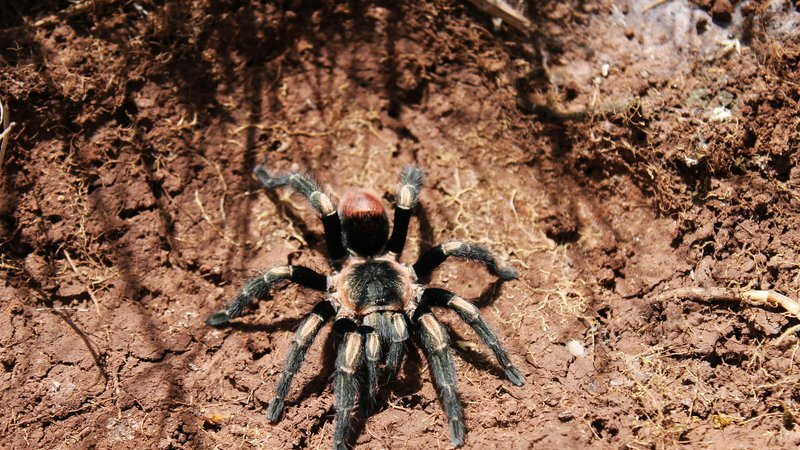
Most tarantula species are legal in Europe, though some highly venomous species face restrictions under national dangerous animal legislation. CITES regulations apply to several wild-collected species, requiring documentation for trade.
- Key Detail: Brachypelma species are CITES Appendix II listed and require permits for commercial trade.
- Important Note: Secure escape-proof housing is a legal welfare requirement in several EU countries.
10. Axolotls: Aquatic Amphibians and Species-Specific Regulations
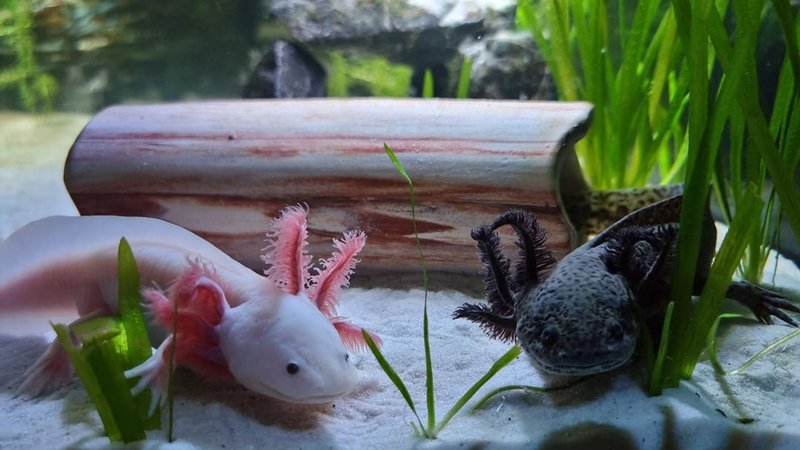
Axolotls are critically endangered in the wild and listed under CITES Appendix II. However, captive-bred axolotls are widely available in Europe and legal to own in most countries with proper documentation.
- Key Detail: Wild collection is prohibited; all legal pets must originate from captive breeding programs.
- Important Note: Some countries require registration due to the species’ endangered status in the wild.
11. Budgerigars and Parakeets: Avian Pet Legality and Health Certifications
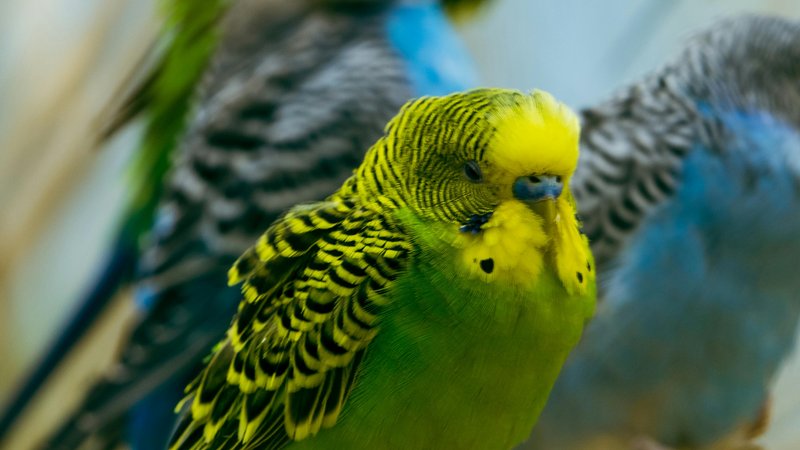
Budgerigars are among the most widely kept birds in Europe and face minimal legal barriers. Health certification and avian disease testing, particularly for psittacosis, may be required for import from outside the EU.
- Key Detail: EU avian health regulations require disease-free certification for birds entering from third countries.
- Important Note: Captive-bred EU birds trade freely within member states under standard pet regulations.
12. Rats and Mice: Domesticated Rodents with Established Care Guidelines

Domesticated rats and mice are legal across all EU member states with no special permits required. The Federation of Veterinarians of Europe recognizes them as established companion animals with clear welfare guidelines covering housing, social needs, and enrichment.
- Key Detail: No CITES listing or import permits needed for domesticated strains.
- Important Note: Social housing is a welfare requirement; solitary confinement may breach animal welfare laws.
13. Hermit Crabs: Marine Pet Regulations and Environmental Impact Assessments
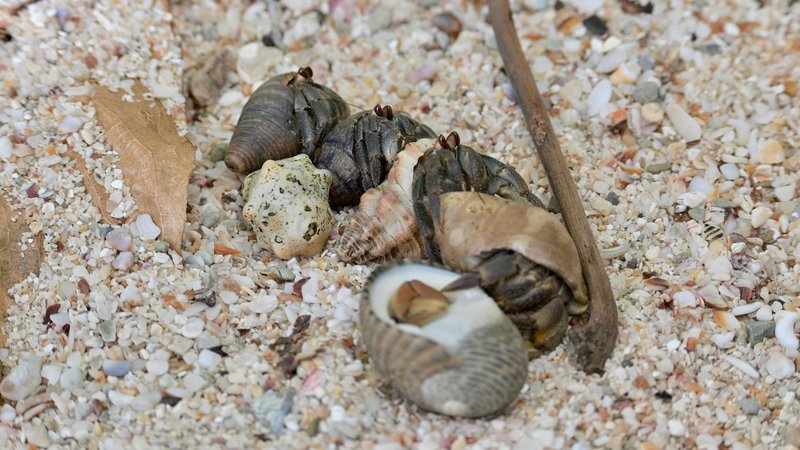
Hermit crabs are legal in most European countries but face growing scrutiny due to concerns about wild collection impacts. The Convention on Biological Diversity frameworks increasingly influence how member states assess the sustainability of wild-sourced marine pets.
- Key Detail: Most hermit crabs sold in Europe are wild-caught, raising sustainability concerns.
- Important Note: Owners should verify sourcing transparency before purchase to ensure legal and ethical compliance.
14. Iguanas: Licensing Requirements and Habitat Compliance Standards

Green iguanas are legal in most EU countries but require significant investment in proper housing due to their size. Some countries require a license or registration for large reptiles, and welfare inspections are becoming more common. If you are planning to travel with exotic pets, resources on pet-friendly hotels in Europe can help plan your trip responsibly.
- Key Detail: Green iguanas are not CITES listed, but large specimen trade may require health documentation.
- Important Note: Enclosures must meet minimum size and UVB requirements under EU animal welfare frameworks.
15. Tortoises: CITES Appendix Status and Breeding Documentation Needs

Many tortoise species, including Hermann’s and spur-thighed tortoises, are listed under CITES Appendix II. Owners in Europe must hold valid Article 10 certificates proving their animal’s legal captive-bred origin.
- Key Detail: EU Article 10 certificates are legally required to sell or transfer CITES-listed tortoises.
- Important Note: Buying a tortoise without documentation exposes the owner to significant legal liability.
16. Sugar Gliders: Legal Status Variations and Welfare Considerations Across Europe
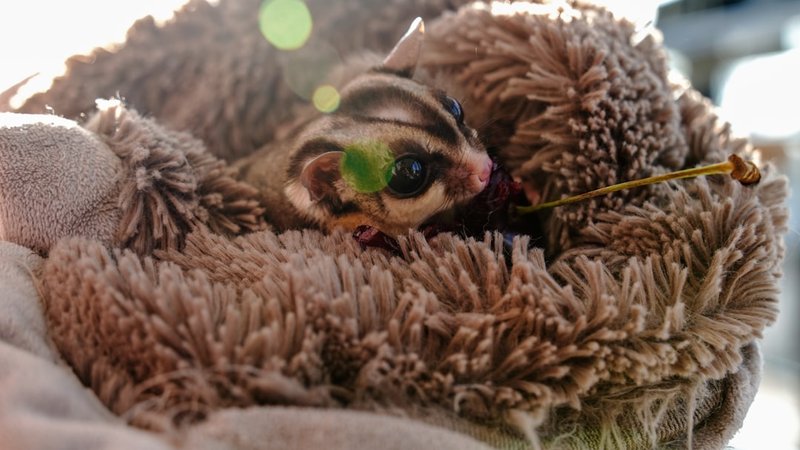
Sugar gliders occupy a legally ambiguous space in Europe. They are banned in some countries, including Turkey and several Scandinavian nations, while being permitted in others. Their highly social and nocturnal nature creates welfare challenges that regulators are increasingly flagging.
- Key Detail: Banned in some EU-adjacent countries; legal status must be verified at the national level.
- Important Note: Solitary housing is considered a welfare violation; pairs or groups are required in compliant countries.
17. Degus: South American Rodents and EU Import Procedures

Degus are legal throughout most of Europe and have gained popularity as social, intelligent pets. They are not CITES listed, and captive-bred animals are widely available from European breeders without complex import procedures.
- Key Detail: No CITES permit required; standard EU animal health rules apply for cross-border movement.
- Important Note: Degus are highly sensitive to sugar; diet compliance is increasingly part of welfare assessments.
18. Crested Geckos: Captive-Bred Reptiles and Traceability Requirements
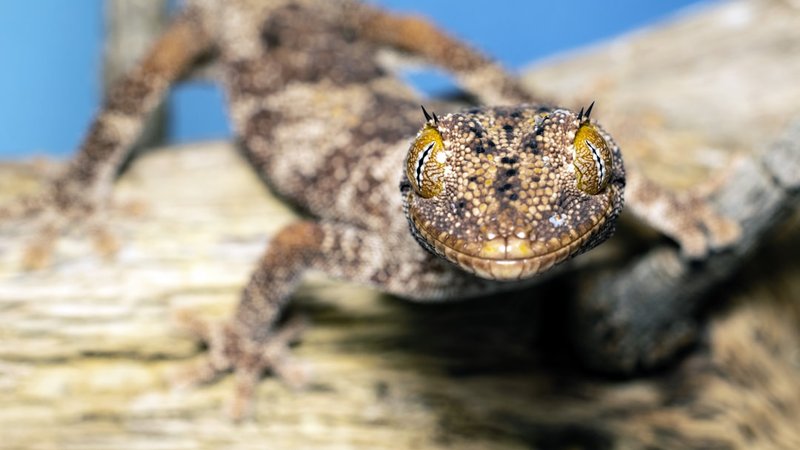
Crested geckos are legal across Europe and are a favorite among reptile enthusiasts due to their ease of care. Originally thought extinct, they are now exclusively captive-bred in the hobby, which simplifies traceability and legal compliance. Owners planning international travel with their pets may also find guidance on traveling internationally with pets useful for broader planning context.
- Key Detail: Not CITES listed; captive breeding is well-established with no wild-capture concerns.
- Important Note: Positive list countries include crested geckos due to their strong captive-bred track record.
19. Millipedes and Centipedes: Invertebrate Ownership and Risk Assessment Frameworks

Giant millipedes and certain centipede species are legal in most EU countries, though some venomous centipede species face restrictions under dangerous animal legislation. Consumer education around safe handling is increasingly recognized as a key compliance tool, with consumer education campaign statistics showing measurable improvements in responsible ownership behaviors.
- Key Detail: African giant millipedes are legal and widely kept; no CITES listing applies.
- Important Note: Highly venomous centipede species may require a dangerous animal permit in certain member states.
20. Domesticated Rabbits and Hares: Distinguishing Legal Pets from Wild Species

Domesticated rabbits are universally legal across Europe, but wild hares and wild rabbits are protected under national and EU wildlife laws. The distinction between a domesticated pet rabbit and a protected wild species is legally significant and strictly enforced. Broader awareness of animal welfare advocacy in Europe continues to shape how these distinctions are applied in practice.
- Key Detail: Wild hares are protected under the EU Habitats Directive; keeping them as pets is illegal.
- Important Note: Only recognized domesticated breeds are legally permitted as companion animals throughout the EU.
The regulatory environment for exotic pets in Europe is evolving quickly. Staying informed about both EU-wide frameworks and country-specific rules is the most reliable way to ensure your ownership remains fully compliant and your animals receive the care they deserve.