
Traveling to UK With a Dog After Brexit
Bringing your dog to the United Kingdom used to be straightforward for EU residents. Brexit changed everything, and many pet owners are still caught off guard by the new requirements when they arrive at the border.
The rules that came into force on 1 January 2021 replaced the old EU Pet Passport system for travel into Great Britain. Understanding exactly what is now required can save you from having your dog turned away or placed into quarantine.
Essential Documentation and Animal Health Certificates
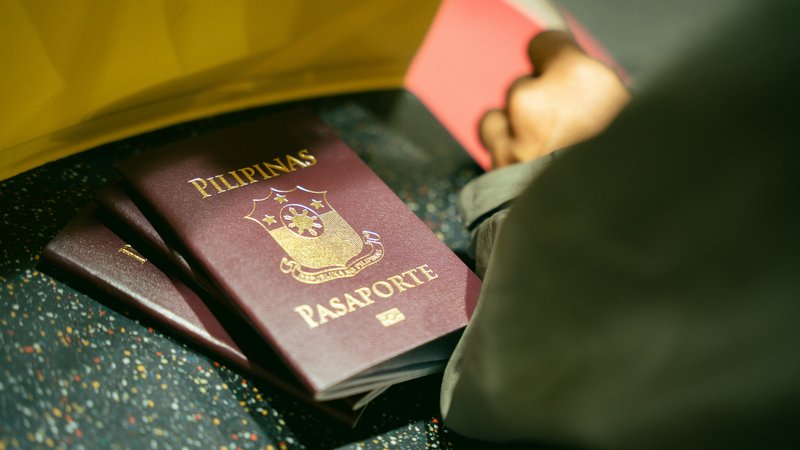
The most important change since Brexit is that EU-issued pet passports are no longer accepted for entry into Great Britain. Instead, you now need an Animal Health Certificate, commonly known as an AHC.
An AHC must be issued by an official veterinarian in your country of departure, no more than 10 days before travel. Each trip requires a new certificate, so you cannot reuse one from a previous journey.
The official UK pet travel guidance outlines every document required depending on which country you are travelling from. Always check this before booking your trip, as requirements can vary by origin country.
If you are also planning European legs of your trip alongside a UK visit, a broader understanding of international pet travel preparation can help you map out the full process step by step.
Vaccination and Microchipping Requirements
Your dog must be microchipped before their rabies vaccination is administered. If the microchip was implanted after the vaccine, the entire vaccination course may need to be repeated.
A valid rabies vaccination is mandatory for all dogs entering Great Britain. The vaccine must be administered by a licensed vet, and your dog must be at least 12 weeks old at the time of vaccination.
There is also a mandatory waiting period of 21 days after the primary rabies vaccination before your dog is permitted to travel. Planning well ahead of your intended travel date is absolutely essential.
Tapeworm Treatment and Health Protocols
Dogs travelling to Great Britain from most countries must receive a tapeworm treatment between one and five days before arrival. This treatment must be administered and recorded by a vet in your AHC.
The treatment targets Echinococcus multilocularis, a tapeworm not established in the UK. This requirement has been in place since new rules for pet travel were introduced at the start of 2021.
Dogs travelling from Finland, Ireland, Northern Ireland, Norway, and Malta are currently exempt from this tapeworm rule. Always verify your specific route with your vet well in advance of travel.
Managing Your Dog’s Stress During Cross-Border Travel
Border crossings, ferry terminals, and airports can be overwhelming environments for dogs. The noise, crowds, and unfamiliar smells can trigger anxiety even in well-travelled pets.
Bringing familiar items like a favourite blanket or toy can provide comfort during long waits at checkpoints. Keeping your dog calm and hydrated throughout the journey is just as important as having the right paperwork.
If you are driving to a port and then crossing by ferry, detailed preparation covered in guides on preparing a dog for a long car journey can make the road portion far less stressful for both of you.
Common Mistakes and How to Avoid Them
One of the most frequent errors is booking a vet appointment too late to meet the 10-day AHC window or the 21-day rabies waiting period. These timelines are strict and non-negotiable at the border.
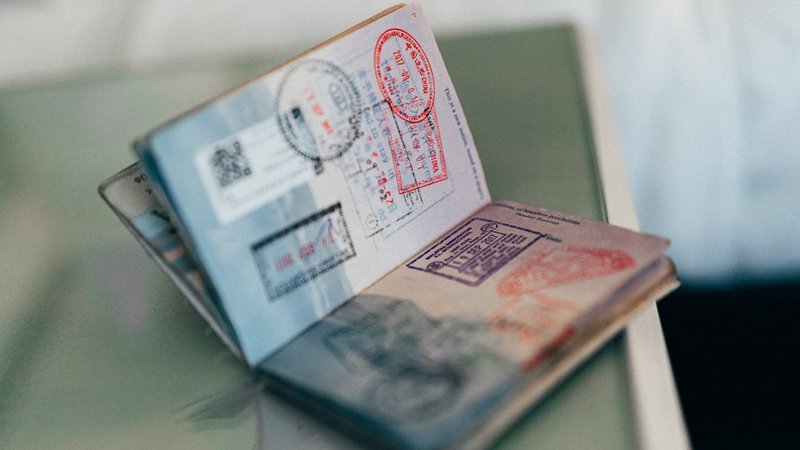
Another common mistake is assuming that a pet passport still works for UK entry. Many travellers who have previously used the EU system are unaware that Great Britain operates under entirely separate rules since Brexit.
Choosing the wrong approved route is also a pitfall. Dogs can only enter Great Britain through specific approved ports and carriers, and not all ferry or Eurostar routes are authorised for pet travel.
Once you arrive, the UK is a wonderful destination to explore with a dog. Pairing your trip with research into pet-friendly hotels in Europe for any connecting stays can round out a smooth, enjoyable experience for the whole family.
Give yourself at least four to six weeks of preparation time before any planned trip. The more organised you are ahead of departure, the more you and your dog can simply enjoy the journey.