Can Dogs Eat Bread? Safety Guide for Pet Owners
You’re making a sandwich and your dog is staring up at you with those irresistible eyes. It’s tempting to toss them a piece, but is bread actually safe for dogs?
The short answer is: it depends. Plain bread is generally not toxic to dogs, but there are important nuances every pet owner should understand before sharing a slice.
Plain Bread Safety and Moderation Guidelines
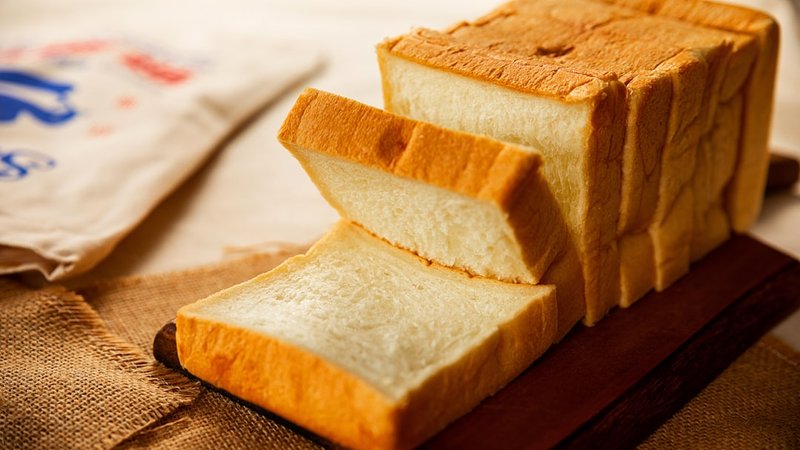
Plain white or wheat bread is not poisonous to dogs. Most healthy dogs can handle a small piece occasionally without any serious issues.
The key word here is occasionally. Bread offers very little nutritional value for dogs and is essentially empty calories wrapped in a soft, chewy package your dog happens to love.
If your dog has no wheat allergies or sensitivities, a bite of plain bread now and then is unlikely to cause harm. However, it should never become a regular part of their diet.
Dangerous Bread Ingredients to Avoid
Not all bread is created equal, and some varieties are genuinely dangerous for dogs. The ingredients baked into the bread matter far more than the bread itself.
Raisins and grapes are highly toxic to dogs and can cause kidney failure even in small amounts. Any bread containing raisins — like raisin bread or hot cross buns — must be kept completely away from your dog.
Garlic and onion bread are equally problematic. Both ingredients are toxic to dogs and can damage red blood cells, leading to anemia even with repeated small exposures.
Xylitol, an artificial sweetener found in some specialty breads, is one of the most dangerous substances a dog can ingest. It causes a rapid drop in blood sugar and can lead to liver failure. Always read ingredient labels carefully. If you’ve ever panicked over something your dog swallowed unexpectedly, the advice found in articles about dogs eating things they shouldn’t is worth keeping in mind.
Raw Dough and Fermentation Risks
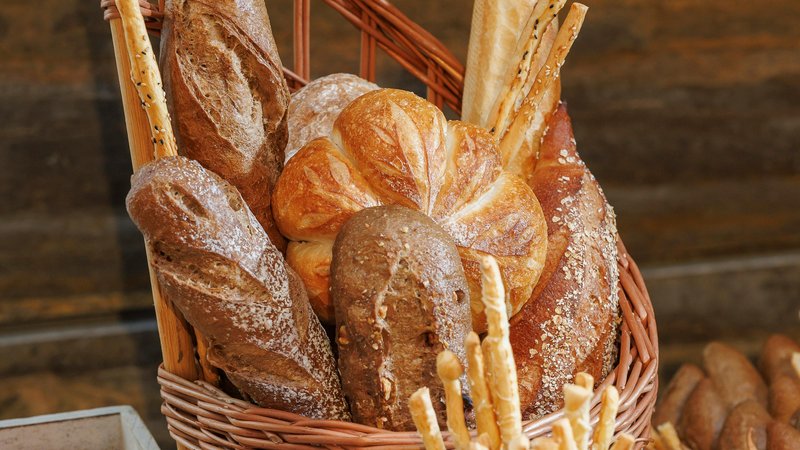
Raw bread dough is a serious hazard and one that many dog owners overlook. If a dog eats unbaked dough, it continues to rise inside their warm stomach.
This expansion can cause bloating, severe abdominal pain, and in extreme cases, a life-threatening condition called gastric dilatation-volvulus. The yeast in the dough also produces ethanol as it ferments, which can lead to alcohol poisoning.
Interestingly, research has shown that sourdough fermentation using natural yeasts and lactic acid bacteria produces a loaf that is digested more slowly and causes less of a blood sugar spike in humans. However, this does not make sourdough safer for dogs — the raw dough risk still applies, and the acidity can upset a dog’s digestive system.
Nutritional Considerations and Caloric Impact
Bread is calorie-dense relative to its nutritional contribution. A single slice of white bread contains roughly 70 to 80 calories, which adds up quickly for smaller dogs.
Dogs have specific daily caloric needs based on their size, age, and activity level. Understanding how dog food calories are calculated can help you see just how quickly a bread habit chips away at your dog’s healthy daily intake.
Excess calories from low-nutrient foods like bread contribute to weight gain and obesity over time. For dogs already managing weight issues, even small amounts of bread can be counterproductive.
Bread Alternatives for Training and Treats
If you’re looking for something to use as a training reward, bread is not your best option. There are far more nutritious and practical alternatives available.
Many dog owners on communities like the Golden Retriever Forum have shared that they prefer low-calorie options like Kix cereal or Cheerios as training treats, keeping calorie counts minimal during repetitive reward sessions.
Small pieces of cooked chicken, plain rice cakes, or dog-safe fruits like blueberries make excellent treat alternatives. If you’re interested in expanding your dog’s diet with nutrient-dense options, the benefits of chia seeds for dogs are worth exploring as a wholesome food addition.
The bottom line is simple: plain bread in tiny amounts is not an emergency, but it offers your dog nothing meaningful. Choosing treats with real nutritional value is always the smarter, kinder choice for your dog’s long-term health.