
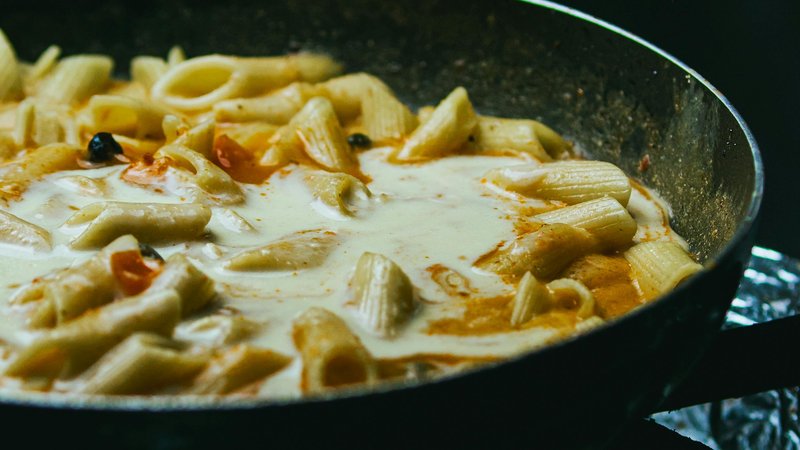
Can Dogs Eat Pasta? Safety Guide for Pet Owners
You’ve just finished a bowl of spaghetti and your dog is staring at you with those irresistible eyes. It’s tempting to share a bite, but is pasta actually safe for dogs to eat?
The short answer is: plain, cooked pasta in small amounts is generally not toxic to healthy dogs. But there’s a lot more to the story before you start sharing your dinner plate.
Plain Cooked Pasta vs. Seasoned Varieties: What’s Safe for Dogs
Plain cooked pasta — made from just flour, water, and sometimes eggs — is not poisonous to dogs. Most healthy dogs can tolerate a small amount without any immediate harm.
The danger starts the moment seasonings, sauces, or additional ingredients enter the picture. Butter, salt, olive oil, and herbs can all cause digestive upset or worse depending on the quantities involved.
Always ensure any pasta you offer your dog is completely plain and fully cooked. Raw or undercooked pasta can be harder to digest and may cause stomach discomfort.
Understanding Pasta Sauce Dangers: Garlic, Onions, and Toxic Ingredients
Pasta sauce is where things get genuinely dangerous. Garlic and onions — two of the most common sauce ingredients — are toxic to dogs and can cause serious damage to their red blood cells.
According to a veterinary assessment of sauce ingestion, even if the quantity of garlic and onions seems small, the sauce itself can still trigger vomiting, diarrhea, and pancreatitis. A dog showing signs of crying or panting after eating pasta sauce may be experiencing abdominal pain and should be seen by a vet promptly.
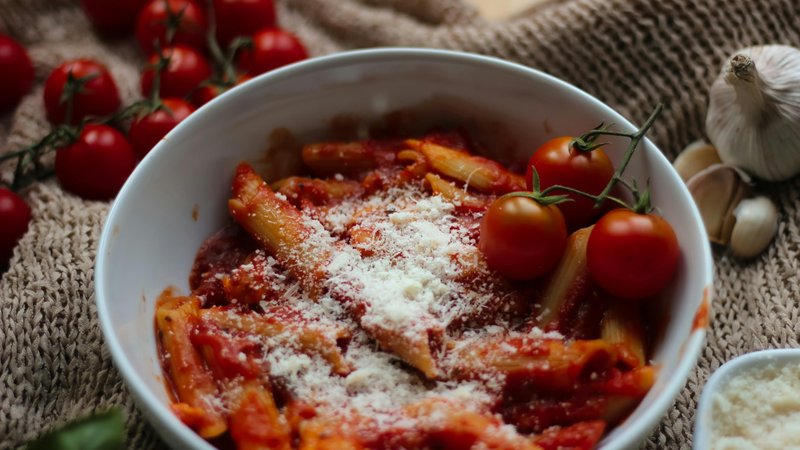
Tomato-based sauces also often contain added sugar and salt, both of which are harmful to dogs in larger amounts. When in doubt, keep the sauce entirely off your dog’s plate.
Nutritional Considerations: Why Pasta Offers Limited Benefits for Dogs
Pasta is primarily a source of refined carbohydrates. While dogs can digest carbohydrates, they don’t require them in the same way humans do.
Dogs thrive on a diet rich in animal protein, healthy fats, and balanced micronutrients. A balanced dog food profile focuses on complete amino acid profiles and essential vitamins — none of which pasta meaningfully provides.
Feeding pasta regularly means adding empty calories that displace more nutritious foods. If you’re looking to add variety to your dog’s diet, options like chia seeds for dogs offer far more nutritional value than a bowl of noodles.
Pasta Types and Canine Sensitivities: Whole Wheat, Refined, and Gluten-Free Options
Not all pasta is created equal, and the type you choose matters for sensitive dogs. Whole wheat pasta has a firmer, nuttier, and slightly coarser texture than refined semolina pasta, which can make it harder for some dogs to digest.
More importantly, some dogs have food sensitivities or allergies to grains, including wheat, which is the primary ingredient in most standard pasta. Signs of a wheat sensitivity can include itchy skin, chronic ear infections, or gastrointestinal upset.
Gluten-free pasta made from rice or lentil flour may be a gentler option for grain-sensitive dogs, but it still offers minimal nutritional benefit and should only be given occasionally.
Portion Control and Health Risks: Obesity, Pancreatitis, and Digestive Issues
Even plain pasta can contribute to weight gain when given too frequently. Obesity in dogs is a serious health issue that increases the risk of diabetes, joint problems, and heart disease.
High-carbohydrate foods like pasta can also trigger pancreatitis in predisposed dogs, particularly those who are overweight or have a history of digestive problems. This is a painful and potentially life-threatening condition that requires immediate veterinary attention. You can learn more about recognizing toxic food emergencies in dogs to better understand when to act fast.
If your dog does eat pasta, keep it to just a few pieces as an occasional treat — never as a meal replacement or regular addition to their diet.
Safer Alternatives and Emergency Response Guidelines
If your dog has eaten plain pasta, monitor them for any signs of digestive upset such as vomiting, bloating, or lethargy. A small amount is unlikely to cause serious harm in a healthy dog.
If the pasta contained sauce, garlic, onions, or any other seasonings, contact your veterinarian immediately. Don’t wait for symptoms to appear, as some toxic reactions take hours to develop.
For dogs who love to snack alongside their owners, there are many safer human foods to explore. Just as you might wonder about pasta, questions like whether sesame seeds are safe for dogs are worth researching before sharing table foods. Always prioritize your dog’s long-term health over a moment of shared indulgence.