Can Dogs Eat Rice? Safety Guide for Pet Owners
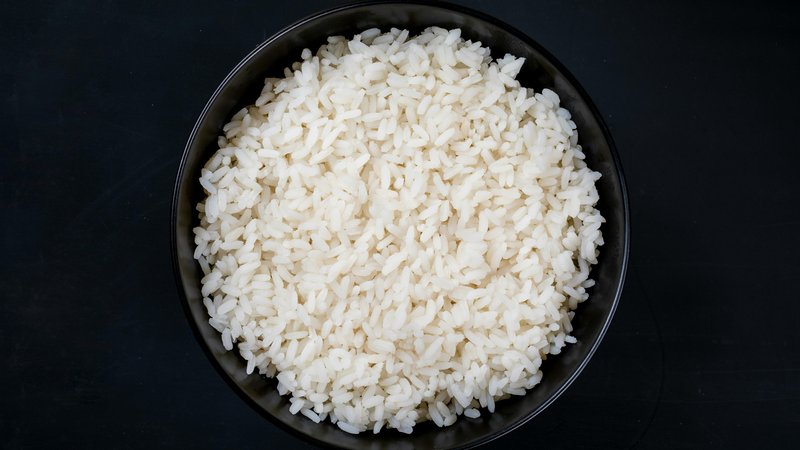
Rice is one of the most common ingredients found in commercial dog food, yet many pet owners still wonder whether it belongs in their dog’s bowl. The short answer is yes — rice is generally safe for dogs and can even be beneficial in the right circumstances.
That said, not all rice is created equal, and how you serve it matters just as much as what type you choose. Understanding the differences can help you make smarter decisions for your dog’s health.
Is Rice Safe for Dogs to Eat
Rice is non-toxic to dogs and is widely considered one of the safest grains they can consume. It is easy to digest, low in fat, and provides a quick source of energy, making it a practical addition to many dogs’ diets.
Most veterinarians and canine nutritionists support feeding plain, cooked rice to dogs in moderation. According to AKC nutrition experts, rice is a digestible carbohydrate that can complement a balanced diet without causing harm to healthy dogs.
White Rice Versus Brown Rice for Dogs
White rice and brown rice both have a place in a dog’s diet, but they serve slightly different purposes. White rice is more processed, which makes it gentler on the stomach and faster to digest.
Brown rice retains its outer bran layer, giving it more fiber and a richer nutritional profile. However, that extra fiber can be harder for some dogs to process, especially those with sensitive digestive systems.
If you are already exploring ways to vary your dog’s protein intake, pairing rice with options like fish that are safe for dogs can create a well-rounded, nutritious meal.

Rice as a Bland Diet for Digestive Health
One of the most well-known uses of rice for dogs is as part of a bland diet during digestive upset. When a dog experiences vomiting or diarrhea, a simple combination of boiled white rice and plain chicken is often recommended to help settle the stomach.
This approach works because white rice is low in fiber and easy for an irritated gut to absorb. Detailed bland diet guidelines from PetMD outline exactly how to prepare and transition your dog back to a regular diet safely.
Proper Portion Control and Serving Guidelines
Rice should never make up the bulk of your dog’s daily calories. As a general rule, rice and other carbohydrates should represent no more than a small portion of the overall meal, with protein and healthy fats taking priority.
For most dogs, a few tablespoons mixed into their regular food is plenty. Overfeeding rice can contribute to unnecessary weight gain, particularly in less active or smaller breeds.
Potential Risks and Food Safety Considerations
Always serve rice plain and fully cooked. Rice prepared with butter, salt, garlic, onion, or seasonings of any kind can be harmful to dogs and should be avoided entirely.
Raw or undercooked rice is also a concern, as it is difficult to digest and may cause gastrointestinal discomfort. Stick to plain, boiled, or steamed rice with no additives whatsoever.
If your dog has been experiencing unusual digestive issues, it may also be worth reading about why dogs vomit more often in spring, as seasonal factors can sometimes play a surprising role in gut health.
Rice Allergies and Sensitivities in Dogs
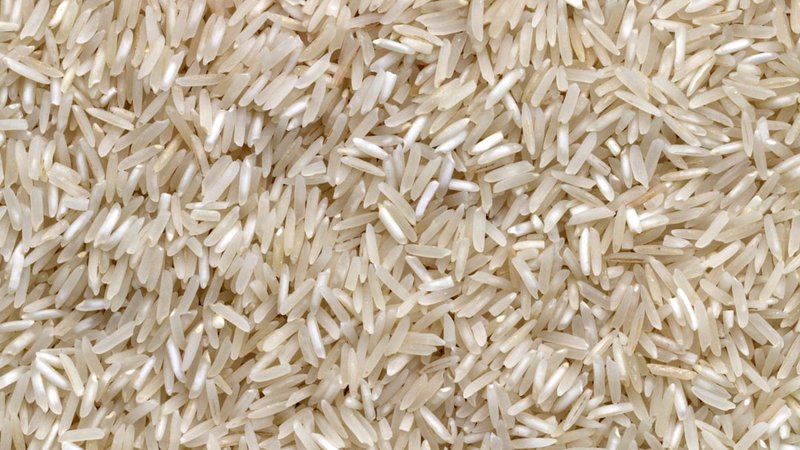
While rice is generally well-tolerated, some dogs do develop sensitivities to it over time. According to veterinary allergy research, rice allergies are less common than wheat, corn, or soy allergies, but they are not impossible.
Signs of a rice sensitivity may include itchy skin, ear inflammation, chronic gas, or loose stools after meals containing rice. If you notice any of these symptoms consistently, consult your veterinarian about an elimination diet.
It is also worth knowing how rice compares nutritionally to other grains. Research from the Whole Grains Council notes that barley is highest in fiber, and quinoa leads all grains in folate content — useful context when considering whether rice is truly the best grain option for your dog’s specific needs.
Rice is a safe, versatile, and affordable food that most dogs can enjoy without issue. Used thoughtfully and in appropriate amounts, it can support digestive health and serve as a reliable part of a balanced canine diet.