
Can Dogs Eat Lettuce? Safety Guide for Pet Owners
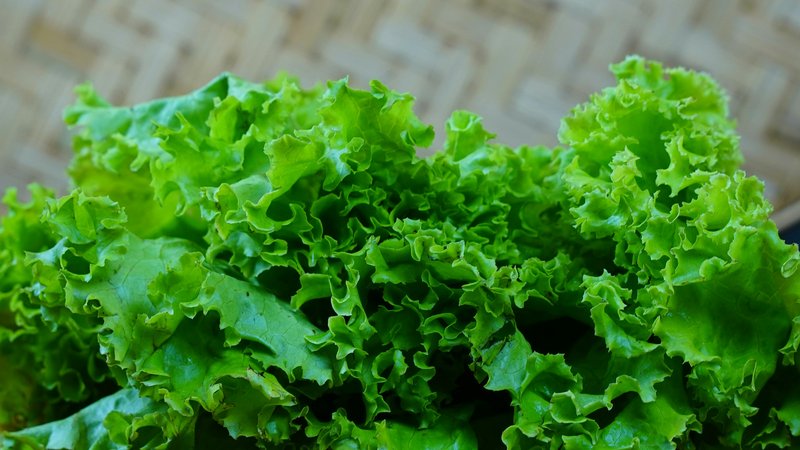
Lettuce is one of the most common vegetables found in homes, and it is only natural to wonder whether sharing a leaf or two with your dog is safe. The short answer is yes — most dogs can eat lettuce without any serious health concerns.
That said, not all lettuce varieties are equal, and how you prepare and serve it matters more than most pet owners realize. Understanding the details helps you make the best choice for your dog’s diet.
Nutritional Profile of Lettuce for Dogs
Lettuce is composed of roughly 90 to 95 percent water, making it a low-calorie snack that can help keep dogs hydrated. It also contains small amounts of fiber, Vitamin A, Vitamin C, and Vitamin K.
Romaine and loose-leaf varieties tend to deliver the most nutritional value. According to comparative nutritional data, iceberg lettuce is the least nutritionally dense of the common varieties — a direct consequence of its tightly packed, spherical head structure that limits light exposure and nutrient synthesis.
While lettuce is not a powerhouse supplement, it can serve as a light, healthy treat. It is best viewed as an occasional addition rather than a dietary staple for dogs.
Safety Considerations and Preparation Methods
Lettuce is non-toxic to dogs and is even listed among foods considered generally safe for pets by animal poison control resources. However, preparation is key to avoiding unnecessary risks.
Always wash lettuce thoroughly before offering it to your dog. Remove any damaged outer leaves, and chop it into small, manageable pieces to prevent choking, especially in smaller breeds.
Never serve lettuce that has been dressed with salad dressings, oils, garlic, onions, or seasonings. These additions can be harmful or even toxic to dogs, even in small quantities.
Lettuce Varieties: Which Types Are Best for Dogs
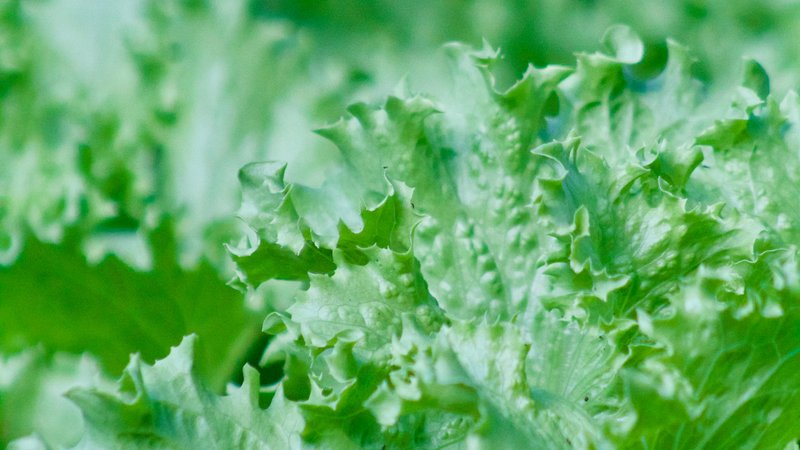
Romaine lettuce is generally considered the best option for dogs due to its higher concentration of vitamins and fiber compared to other varieties. Green leaf and red leaf lettuces are also solid choices.
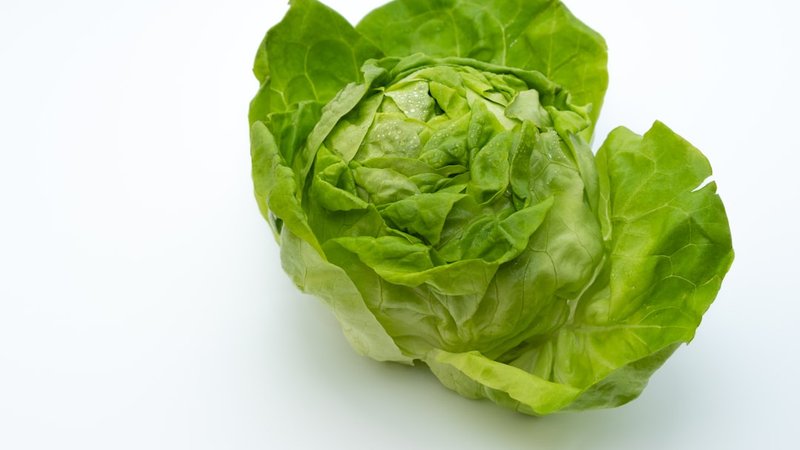
Butterhead varieties like Boston and Bibb lettuce still provide appreciable amounts of Vitamin A, Vitamin K, and folate, though their nutrient levels fall slightly below Romaine and loose-leaf types. Iceberg lettuce, while not harmful, offers the least nutritional benefit of all.
If you enjoy exploring different dietary additions for your dog, you might also find it useful to look at options like sesame seeds for dogs — another common human food that raises similar safety questions among pet owners.
Digestive Impact and Serving Guidelines
Lettuce is generally easy on a dog’s digestive system, but too much at once can cause loose stools or mild stomach upset. The high fiber content, while beneficial in small amounts, can be disruptive in larger quantities.
Lightly steaming lettuce before serving is an option worth considering. Cooking vegetables makes their cell walls less rigid, which can aid digestion and improve nutrient absorption — particularly helpful for dogs with sensitive stomachs.
A few small pieces two or three times per week is a reasonable serving guideline for most adult dogs. Always introduce any new food gradually and monitor your dog for any changes in digestion or behavior.
Pesticide Residues and Food Safety
One often-overlooked concern with feeding lettuce to dogs is pesticide contamination. Lettuce is a crop that is frequently treated with agricultural chemicals during production.
Research published in peer-reviewed literature found that pesticide residues in lettuce were detected in 50% of samples tested, with measurements exceeding maximum residue limits in 20% of those samples. Multiple pesticides, including cypermethrin and chlorpyrifos, were identified.
Dogs are smaller than humans and can be more sensitive to chemical residues. Choosing organic lettuce when possible and washing all produce thoroughly under running water before serving it to your dog significantly reduces this risk.
Feeding your dog a varied, balanced diet is always the safest approach. Much like exploring the nutritional benefits of chia seeds for dogs, adding lettuce works best as part of a thoughtful, well-rounded feeding routine rather than a replacement for proper nutrition.