Can Dogs Eat Garlic? Safety Guide for Pet Owners
Garlic is a kitchen staple found in nearly every home, but for dogs, it poses a serious and well-documented health risk. Even small amounts can trigger a dangerous chain reaction inside your dog’s body.
Many pet owners are surprised to learn that garlic is far more harmful than it appears. Understanding exactly why it’s toxic — and what to watch for — could save your dog’s life.
Why Garlic Is Toxic to Dogs: Understanding the Thiosulfate Compound
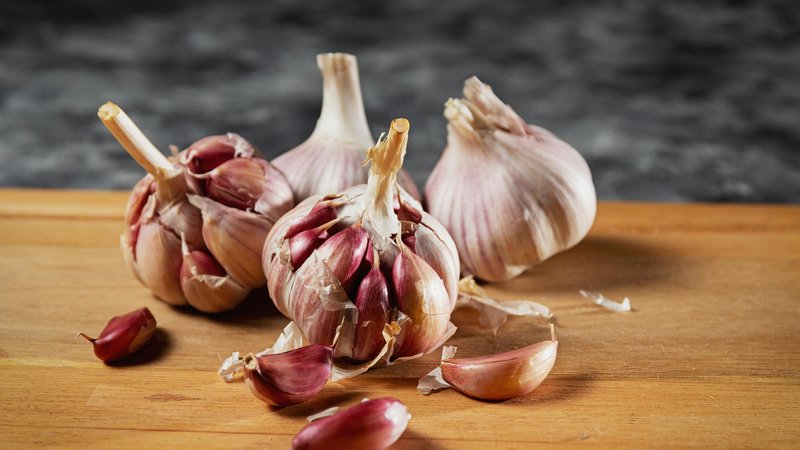
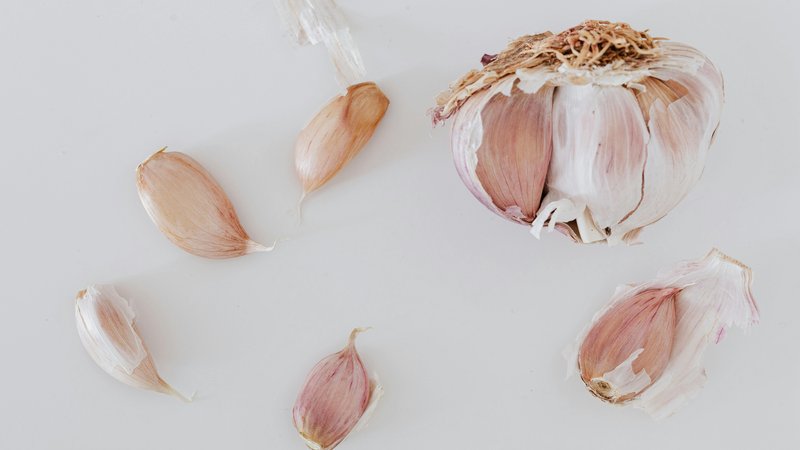
Garlic belongs to the Allium family, which also includes onions, leeks, and chives. All of these vegetables contain a compound called thiosulfate, which dogs cannot metabolize safely.
Thiosulfate damages red blood cells by oxidizing them, leading to a condition called hemolytic anemia. This means the body destroys its own red blood cells faster than it can replace them.
Cats share this vulnerability, but dogs are exposed more frequently due to garlic’s widespread use in human food. Research into Allium vegetable toxicity confirms that garlic, onion, leeks, and scallions all carry similar risks for animals sensitive to thiosulfate compounds.
Toxicity Thresholds and Risk Factors by Dog Size and Weight
Toxicity in dogs is heavily dose-dependent. Veterinary toxicologists estimate that ingestion of around 15 to 30 grams of garlic per kilogram of body weight can produce toxic effects.
To put that in perspective, a single clove of garlic weighs approximately 3 to 7 grams. A small dog weighing 5 kilograms could be at risk after eating just a few cloves.
When assessing chemical danger levels in animals, scientists use a measurement called the LD50, which represents the lethal dose for 50% of a test population. You can learn more about how LD50 values are calculated and why body weight plays such a critical role in determining toxicity thresholds.
Certain breeds, including Japanese breeds like Shiba Inus and Akitas, appear to be genetically more sensitive to Allium toxicity. Puppies, senior dogs, and dogs with existing blood disorders also face elevated risk.
Recognizing Garlic Poisoning Symptoms and Timeline
One of the most dangerous aspects of garlic toxicity is the delayed onset of symptoms. Signs may not appear until several days after ingestion, making early identification difficult.
Initial symptoms often include vomiting, diarrhea, drooling, and abdominal pain. These early signs can easily be mistaken for a minor stomach upset.
As hemolytic anemia develops, you may notice pale or yellowish gums, lethargy, rapid breathing, weakness, and collapse. At this stage, the situation becomes a veterinary emergency. Research published on garlic-induced oxidative damage in dogs provides further clinical context for these mechanisms.
Garlic in Commercial Products: Hidden Sources in Dog Treats and Supplements
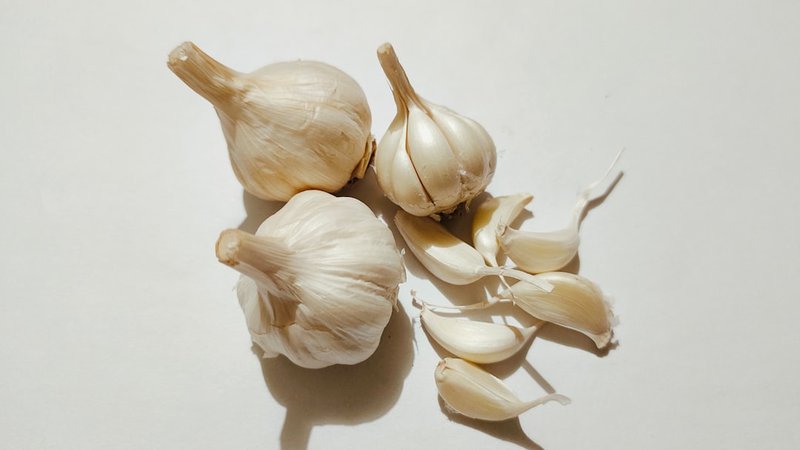
Garlic doesn’t only appear in fresh form. It’s frequently listed as an ingredient in commercial dog treats, flavoring agents, and even some supplements marketed as natural flea repellents.
Always read ingredient labels carefully. Terms like “garlic powder,” “garlic extract,” or “natural flavoring” can all indicate the presence of garlic.
Garlic powder is significantly more concentrated than fresh garlic, making it potentially more dangerous in smaller quantities. The same vigilance applies when preparing homemade meals — just as you’d research safe proteins like lamb liver for dogs, every ingredient deserves careful scrutiny.
Immediate Steps to Take if Your Dog Ingests Garlic
If you suspect your dog has eaten garlic, contact your veterinarian or an emergency animal poison control hotline immediately. Do not wait for symptoms to appear.
If ingestion was very recent, a vet may induce vomiting to prevent further absorption. They may also administer activated charcoal to limit toxin uptake in the gastrointestinal tract.
In severe cases involving significant anemia, hospitalization and blood transfusions may be required. The faster you act, the better the outcome for your dog.
Prevention Strategies and Safe Storage Practices
The most effective protection is keeping garlic entirely out of your dog’s reach. Store garlic bulbs, powders, and any garlic-containing foods in closed cabinets or high shelves.
Never share table scraps that may contain garlic, even in cooked form. Cooking does not neutralize thiosulfate or eliminate the toxic risk for dogs.
When building a safe and balanced diet for your dog, focusing on well-researched proteins and ingredients is always the right approach. Options like knowing which foods are truly safe helps you make confident, informed decisions every day.