Can Dogs Eat Potato? Safety Guide for Pet Owners
Potatoes are one of the most common foods in any household, so it makes sense that dog owners wonder whether they can share them with their pets. The short answer is yes — but only under the right conditions.
How a potato is prepared, which variety you choose, and how much you serve all play a significant role in whether it’s safe or harmful. Understanding these details can protect your dog from unnecessary health risks.
Safe Preparation Methods for Feeding Dogs Potatoes
Dogs should only ever eat potatoes that have been thoroughly cooked — boiled, baked, or steamed without any added ingredients. Butter, salt, garlic, onion, and seasonings are all off the table, as they can be toxic to dogs.
Plain, unseasoned cooked potato is the safest way to offer this food. Even small amounts of harmful additives can cause digestive upset or more serious complications, so keeping it simple is always the best approach.
Understanding Solanine Toxicity and Raw Potato Risks
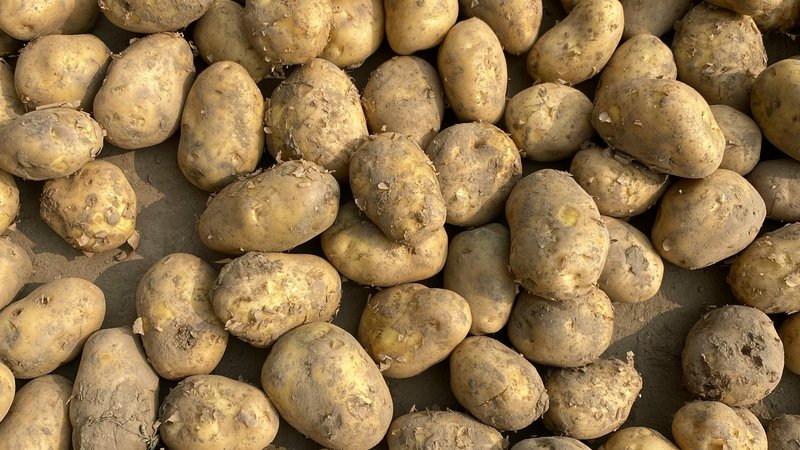
Raw potatoes contain solanine, a naturally occurring compound found in members of the nightshade family. This substance can be toxic to dogs, causing symptoms like vomiting, diarrhea, lethargy, and in severe cases, neurological issues.
Green-tinged potatoes and potato skins contain the highest concentrations of solanine. Always peel potatoes before cooking them for your dog, and discard any that have started to sprout or turn green.
If you enjoy giving your dog potato-based snacks, it’s worth reading about whether chips are safe for dogs, since processed potato products carry their own set of risks.
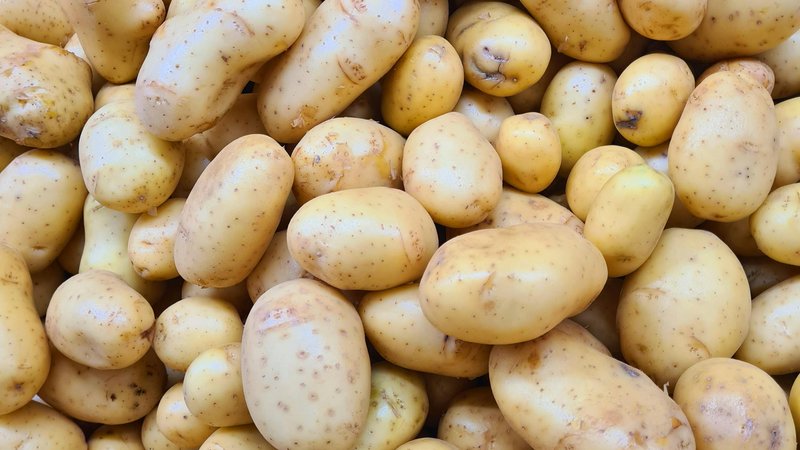
Nutritional Benefits and Digestive Impact of Potatoes
Cooked potatoes offer a meaningful source of carbohydrates, vitamin C, vitamin B6, and potassium. These nutrients can support energy levels, immune function, and muscle health in dogs when offered as part of a balanced diet.
Research suggests that sweet potato and gut function are positively connected, with studies showing improved digestibility of macronutrients when these starch sources are included in a dog’s diet. This makes potato a potentially valuable ingredient in homemade or supplemental feeding plans.
Potato Varieties: Russet, Sweet Potato, and Fingerling Differences
Not all potatoes are the same, and the variety you choose can affect both texture and nutritional profile. According to food comparisons, russet potato texture tends to be fluffy and creamy, while red and fingerling potatoes are waxy and firm.
Sweet potatoes are particularly popular in dog nutrition because of their natural sweetness and rich fiber content. They are generally considered easier to digest and are a common ingredient in many commercial dog foods and treats.
Portion Control and Weight Management Considerations
Potatoes are high in carbohydrates and calories, which means portion size matters — especially for dogs that are overweight or less active. Treats and extras, including potato, should make up no more than 10% of a dog’s daily caloric intake.
Dogs with diabetes should generally avoid potatoes altogether, as the starch content can cause blood sugar spikes. Always consult your veterinarian before introducing new foods if your dog has any existing health conditions.
If you’re exploring fresh, whole-food diets for your dog, options like homemade venison dog food offer a protein-forward alternative that naturally limits excess carbohydrate intake.
Potato Allergies and Sensitivities in Dogs
While not extremely common, some dogs do develop allergies to potatoes. These reactions occur when the immune system mistakenly identifies a protein in the potato as a threat.
According to veterinary sources, potato allergy immune response is rooted in the digestive system, where an estimated 60–70% of immune cells reside. Symptoms can include itching, skin redness, ear infections, and gastrointestinal distress.
If you notice any of these signs after feeding your dog potato, stop offering it and schedule a visit with your vet. An elimination diet may be needed to confirm whether potato is the cause of the reaction.
Potatoes can be a perfectly safe and nutritious addition to your dog’s diet when prepared correctly and served in moderation. The key is always knowing what to avoid and paying close attention to how your individual dog responds.