Can Dogs Eat Corn? Safety Guide for Pet Owners
Corn is one of the most common ingredients in commercial dog food, yet it remains one of the most misunderstood. Many pet owners are unsure whether it is genuinely safe or simply a cheap additive with no real benefit.
The truth is more nuanced than a simple yes or no. Understanding how corn affects your dog depends on the form it is served, the quantity offered, and your individual dog’s health history.
Corn Safety and Nutritional Value for Dogs
Plain, cooked corn kernels are not toxic to dogs. In moderate amounts, they are generally considered safe for most healthy adult dogs.
Corn does contain some nutrients, including linoleic acid, beta-carotene, and certain antioxidants. However, peer-reviewed nutrition research notes that many pet owners believe corn offers no real nutritional value and is used primarily as a filler to reduce production costs.
That perception is not entirely unfounded. While corn is not nutritionally empty, it is far from a nutritional powerhouse for dogs compared to high-quality animal proteins.
Preparation Methods and Portion Control Guidelines
If you choose to share corn with your dog, plain is always the safest option. Boiled or steamed kernels with no added butter, salt, or seasonings are appropriate in small amounts.
Corn should be treated as an occasional treat rather than a dietary staple. A small handful of kernels a few times per week is generally well-tolerated by most dogs.
Avoid canned corn, which typically contains added sodium. High sodium intake can contribute to dehydration and cardiovascular strain over time.
Corn on the Cob and Other Hazards to Avoid
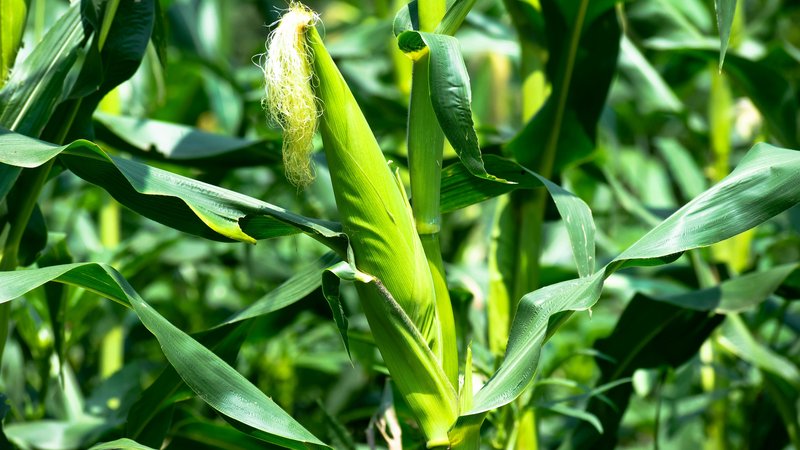
The cob itself is the most serious hazard associated with corn. It is not digestible and poses a significant intestinal blockage risk, which can become a life-threatening emergency requiring surgery.
Never allow your dog to chew on a corn cob, even under supervision. Dogs can bite off large chunks quickly, and those pieces do not break down in the digestive tract.
Popcorn is another form of corn that requires caution. Plain, air-popped popcorn is not inherently harmful, but commercially prepared popcorn loaded with butter, salt, or artificial flavorings should be kept away from dogs entirely — much like the veterinary warnings about common household food hazards that catch many owners off guard.
Understanding Corn Allergies and Digestive Sensitivities
True corn allergies in dogs exist but are relatively uncommon. More frequently, dogs experience mild digestive sensitivities rather than a full allergic immune response.
Signs of a sensitivity can include loose stools, excessive gas, vomiting, or skin irritation after eating corn. If you notice any of these symptoms, discontinue corn and consult your veterinarian.
It is also worth noting that protein bioavailability studies have found that corn protein is poorly absorbed due to its dense molecular structure, meaning dogs may not efficiently extract the protein it contains even when digestion proceeds normally.
Corn Quality, Sourcing, and Commercial Dog Food Considerations
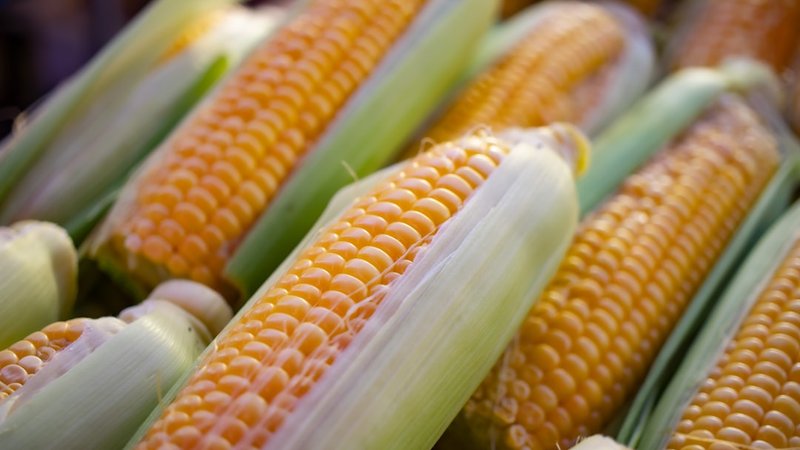
When corn appears in commercial dog food, quality and sourcing matter significantly. Not all corn used in pet food is created equal, and processing methods can further reduce its already modest nutritional contribution.
One important concern is the prevalence of genetically modified corn in the pet food supply. According to GMO ingredient research, approximately 70% of processed foods contain genetically modified ingredients, and corn is among the most widely modified crops used in commercial pet food production.
If you are evaluating your dog’s overall diet and want to move toward fresher, more transparent ingredient sourcing, a resource like The Farmer’s Dog food review offers a useful comparison of minimally processed alternatives.
Ultimately, corn is not dangerous for most dogs when served correctly and in moderation. The real question is whether it deserves a place in your dog’s regular diet given its limited digestibility and the availability of more nutrient-dense options.
Always consult your veterinarian before making significant changes to your dog’s diet, especially if your pet has a history of food sensitivities, digestive issues, or chronic health conditions.