
Can Dogs Eat Asparagus? Safety & Benefits
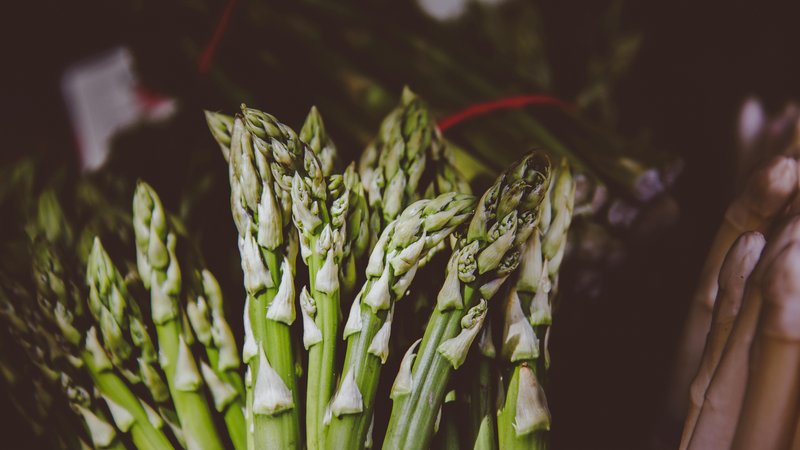
Asparagus is a springtime staple on many dinner plates, and it’s natural to wonder whether you can share a spear or two with your dog. The short answer is yes — dogs can eat asparagus, and it actually offers some impressive nutritional perks.
That said, there are a few important safety guidelines every dog owner should know before tossing a stalk into their pup’s bowl. Preparation and portion size matter more than most people realize.
Nutritional Value and Health Benefits for Dogs
Asparagus isn’t just filler — it’s genuinely packed with nutrients that can support your dog’s overall health. According to canine nutrition experts, asparagus is low in both calories and sodium, making it an excellent guilt-free treat.
It’s also a solid source of vitamin B6, calcium, magnesium, and zinc — all essential for healthy muscle function, bone strength, and immune support. These are nutrients that complement a balanced diet rather than replace it.
The fiber content in asparagus also supports healthy digestion. A well-functioning gut means better nutrient absorption and more consistent energy levels for your dog throughout the day.
Safety Considerations and Preparation Guidelines
Raw asparagus stalks are tough and fibrous, which makes them a potential choking hazard — especially for smaller dogs. Always cook asparagus before serving it to your pet, without any added oils, butter, garlic, or seasoning.
Steaming or boiling until soft is the safest method. This softens the fibers enough to prevent digestive discomfort while preserving most of the nutritional value.
It’s also worth noting that asparagus fern — the ornamental plant related to edible asparagus — is toxic to dogs. Make sure you’re only ever offering the vegetable variety, not any part of the decorative plant.
Just as with other vegetables, moderation is key. As the AKC notes on dog-safe vegetables, while many vegetables are healthy additions to a dog’s diet, others can be harmful — and even safe ones should be introduced carefully.
Age and Breed-Specific Recommendations
Puppies have more sensitive digestive systems than adult dogs, so it’s wise to hold off on introducing new vegetables until they’re at least several months old. Their gut microbiome is still developing, and sudden dietary changes can cause unnecessary upset.
Adult and senior dogs generally handle new foods more predictably. If you’re exploring nutritious snack options for a mature dog, asparagus is a low-risk choice when prepared correctly — similar to how chia seed benefits for dogs are best suited to dogs past the puppy stage.
Breed size can also influence how you serve asparagus. Larger breeds can handle small whole pieces, while toy and small breeds should always receive finely chopped or puréed portions to avoid choking.

Proper Serving Sizes and Frequency
Treats and extras — including vegetables — should make up no more than 10% of your dog’s daily caloric intake. For most dogs, one to three small pieces of cooked asparagus a few times per week is a reasonable amount.
Start with a single small piece the first time you offer it. This gives your dog’s digestive system a chance to adjust and lets you monitor for any adverse reactions before making it a regular snack.
Always cut asparagus into bite-sized pieces regardless of your dog’s size. Long, stringy pieces can become lodged in the throat or cause gastrointestinal blockages in dogs that eat quickly.
Signs of Allergic Reactions and Digestive Issues
Most dogs tolerate asparagus well, but some may experience mild digestive upset when first introduced to it. Watch for loose stools, excessive gas, or vomiting in the 24 hours following their first serving.
True allergic reactions are rare but possible. Signs to look out for include facial swelling, hives, persistent scratching, or difficulty breathing. If any of these occur, contact your veterinarian immediately.
One harmless side effect worth knowing: asparagus can make your dog’s urine smell stronger, just as it does in humans. This is completely normal and not a cause for concern.
When in doubt about introducing any new food, always consult your vet first. A quick conversation can save you a lot of worry — and keep your dog’s diet on the right track.