
Can Dogs Eat Brussels Sprouts? Safety & Benefits
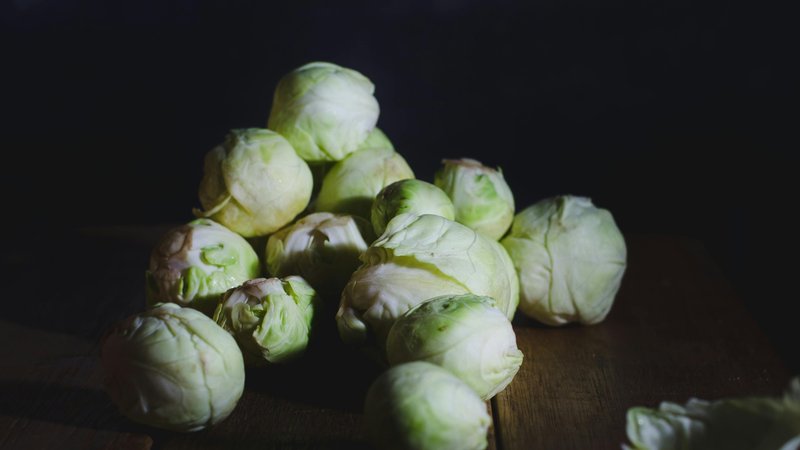
Brussels sprouts are a nutritional powerhouse for humans, but many dog owners wonder whether they are safe to share with their pets. The good news is that yes, dogs can eat brussels sprouts — and they may even benefit from them.
That said, there are important guidelines to follow before tossing one to your pup. Preparation method, portion size, and your dog’s individual health all play a role in whether this vegetable is a smart addition to their diet.
Nutritional Value and Health Benefits for Dogs
Brussels sprouts are packed with vitamins K, C, and B6, along with fiber, folate, and antioxidants. These nutrients support immune function, bone health, and cell repair in dogs much the same way they do in humans.
The fiber content in brussels sprouts can support healthy digestion and bowel regularity. According to USDA nutritional data, a 100-gram serving contains roughly 3.8 grams of dietary fiber, making it a genuinely fiber-rich vegetable.
Antioxidants like kaempferol and isothiocyanates found in brussels sprouts may help reduce inflammation. These compounds have been studied for their potential role in lowering oxidative stress in the body.
Safe Preparation Methods and Cooking Guidelines
Always cook brussels sprouts before offering them to your dog. Raw sprouts are harder to digest and can increase the likelihood of gastrointestinal discomfort.
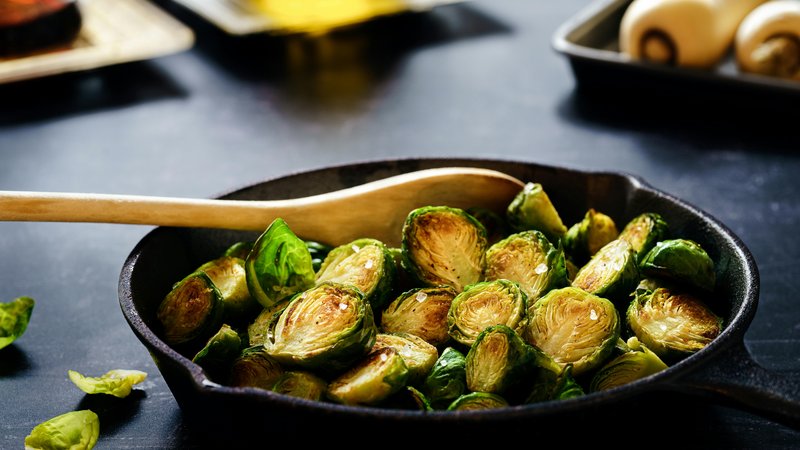
Steaming or boiling are the best cooking methods. Avoid adding butter, oil, garlic, onion, salt, or any seasoning — all of these are either unnecessary or actively harmful to dogs.
Never serve the stalk or any tough outer leaves. These parts present a texture and density that dogs may struggle to chew properly, increasing the risk of digestive blockage.
Portion Control Based on Dog Size and Age
Portion size matters enormously when introducing any new food to a dog. A single small sprout is sufficient for a toy or small breed, while a medium or large dog may tolerate one to two sprouts at a time.
Age is another factor worth considering. According to VCA Hospitals, small dogs reach senior status around 11 to 12 years, medium dogs at 10 years, and large breeds as early as 8 years. Senior dogs often have more sensitive digestive systems and may need even smaller portions.
If you are already exploring nutrient-rich food additions for your dog’s diet, brussels sprouts can complement a varied, whole-food approach when offered in moderation.
Digestive Considerations and Gas Prevention
The most well-known side effect of brussels sprouts — for both humans and dogs — is gas. The vegetable contains isothiocyanates, which stimulate the intestinal muscles and can result in significant flatulence.
This is not dangerous, but it can be uncomfortable for your dog and unpleasant for everyone in the room. Dogs prone to digestive gas issues may experience more pronounced symptoms than others.
To minimize this effect, start with very small amounts and introduce brussels sprouts gradually over several days. This gives your dog’s gut microbiome time to adjust without overwhelming it.
Choking Hazards and Safe Serving Practices
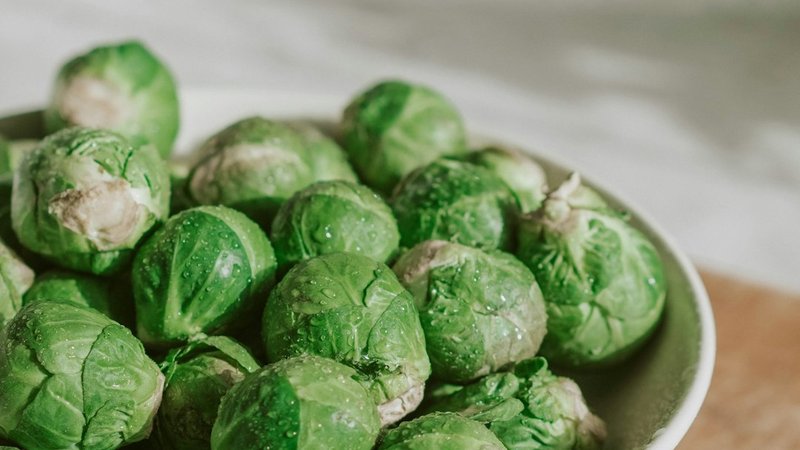
Even a properly cooked brussels sprout can become a choking hazard if served whole to a small dog or a dog that eats quickly. Always cut sprouts into halves or quarters before serving.
Dogs with a lower pain sensitivity threshold — as noted in research on canine pain responses — may not visibly react to minor discomfort caused by swallowing food too quickly, making careful portion preparation all the more important.
Always supervise your dog the first few times you offer any new food. Watch for signs of an adverse reaction such as vomiting, diarrhea, excessive drooling, or lethargy, and discontinue feeding if any of these occur.
Brussels sprouts are not a substitute for a complete and balanced diet. They work best as an occasional treat or a small dietary supplement alongside your dog’s regular meals, keeping variety safe and intentional.