
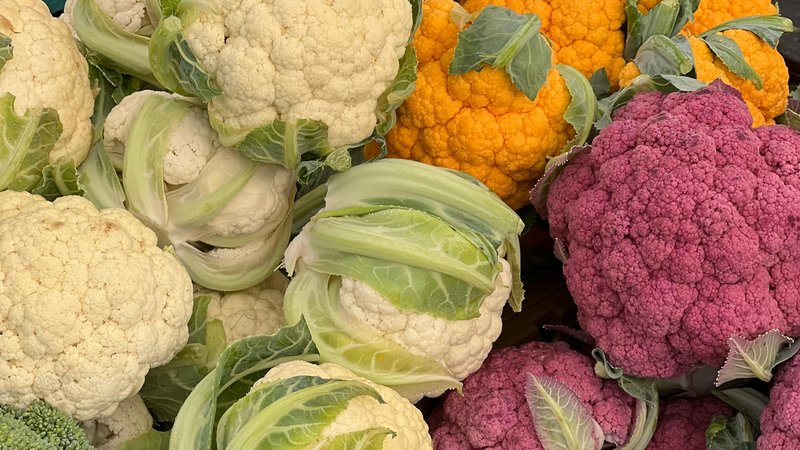
Can Dogs Eat Cauliflower? Safety & Benefits
Cauliflower has become a staple in many health-conscious kitchens, and it’s natural to wonder whether your dog can share in this nutritious vegetable. The good news is that cauliflower is generally safe for dogs when offered correctly and in appropriate amounts.
That said, there are important nuances around preparation, portion size, and your dog’s individual health status. Getting these details right makes all the difference between a healthy snack and an upset stomach.
Safety and Nutritional Value of Cauliflower for Dogs
Cauliflower is a cruciferous vegetable packed with vitamins C, K, and B6, along with folate and fiber. These nutrients can support immune function, bone health, and healthy digestion in dogs.
Vitamin K, in particular, plays a role in proper blood clotting and bone metabolism. According to Cornell University’s veterinary research, maintaining adequate vitamin K levels is essential for normal coagulation function in animals.
Cauliflower also contains isothiocyanates, naturally occurring plant compounds. Research published in the Food and Nutrition Journal highlights that these phytochemicals have notable antioxidant and anti-inflammatory properties, which may offer some health benefits for dogs as well.
Overall, cauliflower is a low-calorie, nutrient-dense option that fits well into a balanced canine diet when used as an occasional treat rather than a dietary staple.
Preparation Methods: Raw, Cooked, and Frozen Cauliflower
How you prepare cauliflower matters significantly for your dog. Raw cauliflower retains more nutrients — fresh cauliflower contains roughly 30% more protein than cooked and preserves more vitamins overall. However, raw florets can be harder to digest and may cause more gas.
Lightly steaming or boiling cauliflower makes it softer and easier on your dog’s digestive system. This is often the preferred method for dogs with sensitive stomachs.
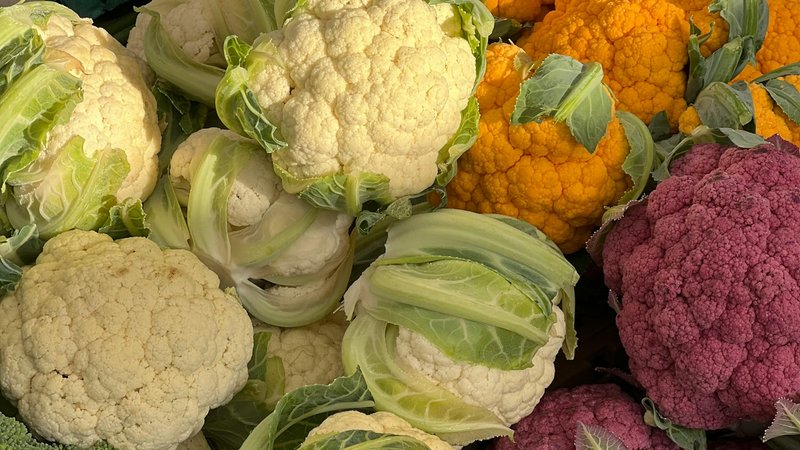
Frozen cauliflower is also safe, provided it’s plain with no added seasonings, sauces, or butter. Always serve it thawed or lightly cooked — never offer frozen chunks that could pose a choking risk to smaller dogs.
Regardless of preparation method, always remove the tough stalks and leaves, and cut florets into small, bite-sized pieces appropriate for your dog’s size.
Portion Guidelines Based on Dog Size and Health Status
Portion control is one of the most critical factors when feeding cauliflower to dogs. Treats and supplemental foods should generally make up no more than 10% of a dog’s daily caloric intake.
For medium-sized dogs like Beagles or Bulldogs, a portion of around 60 to 120 grams of cooked cauliflower is considered appropriate. Smaller dogs should receive considerably less — just a few small florets per serving.
Large breeds can tolerate slightly more, but moderation still applies. If you’re exploring how to diversify your dog’s diet with wholesome foods, the benefits of chia seeds for dogs is another nutritious option worth considering alongside vegetables like cauliflower.
Digestive Considerations and Potential Side Effects
Cauliflower is a known gas-producing vegetable, and this applies to dogs just as much as humans. Feeding too much, too quickly can lead to bloating, flatulence, and loose stools.
Always introduce cauliflower gradually into your dog’s diet. Start with a very small amount and observe how your dog responds over 24 to 48 hours before offering more.
If your dog shows signs of excessive gas, stomach cramping, or diarrhea, discontinue feeding cauliflower and consult your veterinarian. Some dogs simply have more sensitive digestive systems than others.
Cauliflower for Dogs with Specific Health Conditions
Not every dog is a good candidate for cauliflower. The American College of Veterinary Nutrition advises against feeding cauliflower to dogs with a history of pancreatitis, existing gastrointestinal disorders, or thyroid conditions.
The thyroid concern stems from goitrogens — naturally occurring compounds in cruciferous vegetables that can interfere with thyroid hormone production when consumed in significant quantities. Dogs already managing thyroid issues are particularly vulnerable.
Dogs with obesity or diabetes should also approach cauliflower cautiously, as even low-calorie foods can affect metabolic balance when not properly accounted for in their overall diet plan.
When in doubt, always check with your veterinarian before adding any new food to your dog’s routine. A professional can give personalized guidance based on your dog’s breed, weight, age, and health history — making it the safest path forward.