Can Dogs Eat Carrots? Safety & Benefits Guide
Yes, dogs can absolutely eat carrots — and most of them love the satisfying crunch. This humble root vegetable is one of the safest, most affordable snacks you can offer your pup.
That said, there are a few things every dog owner should know before tossing one to their furry companion. From portion sizes to choking hazards, the details matter.
Nutritional Value and Health Benefits of Carrots for Dogs
Carrots are far more than just a crunchy snack. According to peer-reviewed nutritional research, carrots are rich in bioactive compounds including carotenoids and dietary fiber, along with several other functional components that offer meaningful health-promoting properties.
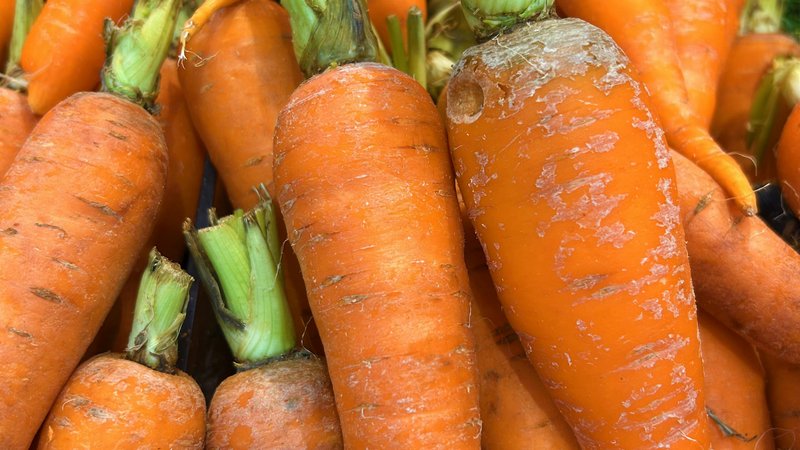
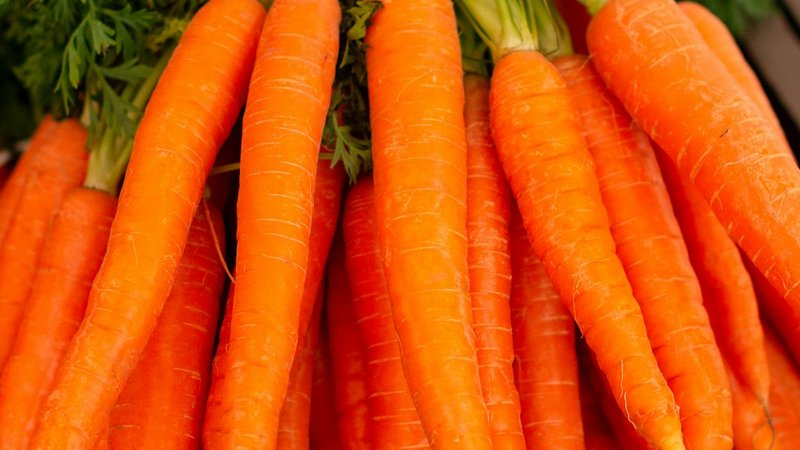
Beta-carotene, the pigment that gives carrots their orange color, converts to vitamin A in the body. This supports healthy vision, immune function, and skin condition in dogs.
Carrots are also a good source of potassium, vitamin K, and vitamin C. Their high fiber content supports healthy digestion and can help dogs feel fuller between meals.
Chewing on raw carrots may also provide a mild mechanical cleaning effect on teeth, helping to reduce plaque buildup — though they are not a substitute for regular dental care.
Safe Preparation Methods: Raw, Cooked, and Frozen Options
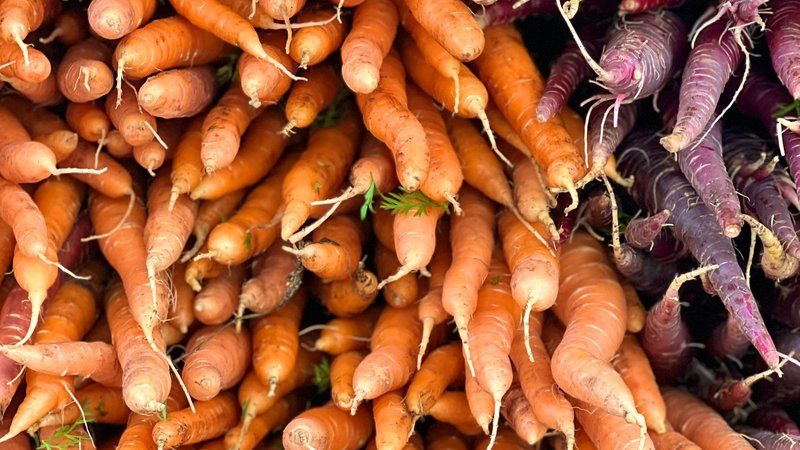
Raw carrots are perfectly safe for most dogs and preserve the highest level of nutrients. Always wash them thoroughly and cut them into appropriately sized pieces before serving.
Cooked carrots are also a great option, especially for senior dogs or those with dental issues. Steaming or boiling without any added salt, butter, or seasoning keeps them safe and digestible.
Frozen carrots have become a popular treat, particularly for teething puppies. The cold temperature can soothe sore gums while providing a satisfying chew. Just be sure the pieces are not so large they become a choking risk.
If you enjoy exploring wholesome food options for your dog, you might also find value in learning about chia seeds as a nutritional supplement for dogs alongside other whole foods.
Portion Control and the 10% Treat Rule
Even healthy foods should be fed in moderation. Veterinary nutritionists widely recommend that treats — including vegetables like carrots — should make up no more than 10% of a dog’s total daily caloric intake.
Carrots do contain natural sugars. Feeding too many can contribute to unnecessary caloric intake, which is especially important to monitor in dogs prone to weight gain.
Breed-Specific and Age-Appropriate Serving Guidelines
Serving size should always be matched to your dog’s size and daily nutritional needs. As a practical reference, breed-appropriate portion guidance suggests that small breed dogs such as Chihuahuas and Pomeranians do well with just 1–2 baby carrots or a few thin slices per day.
Medium-sized breeds can typically handle a few more slices, while large breeds may enjoy half a carrot or more without issue. Puppies should receive smaller pieces to minimize digestive upset.
Senior dogs with kidney concerns require extra attention. Dietary management for kidney disease often involves selecting a low- to moderate-fat renal diet with a carefully controlled nutrient profile — so always consult your vet before introducing new foods to a dog with health conditions.
Potential Risks and Choking Prevention Strategies
The biggest physical risk with carrots is choking, particularly for small dogs or those who tend to gulp their food. A whole carrot or a large chunk can become lodged in the throat if not properly sized.
Always cut carrots lengthwise or into small rounds appropriate for your dog’s mouth size. Supervise your dog the first few times you introduce any new food, including carrots.
Dogs with diabetes should only receive carrots in very small amounts due to their natural sugar content. Always loop in your veterinarian if your dog has any underlying metabolic or digestive conditions.
Just as you would with other snacks, variety matters. If you’re also thinking about diversifying your dog’s protein sources, options like knowing which human foods are safe for dogs is a smart habit for any responsible owner.
Carrots are one of the simplest, safest, and most nutritious treats you can add to your dog’s routine. With the right preparation and portion sizes, they make a genuinely beneficial addition to a balanced diet.