
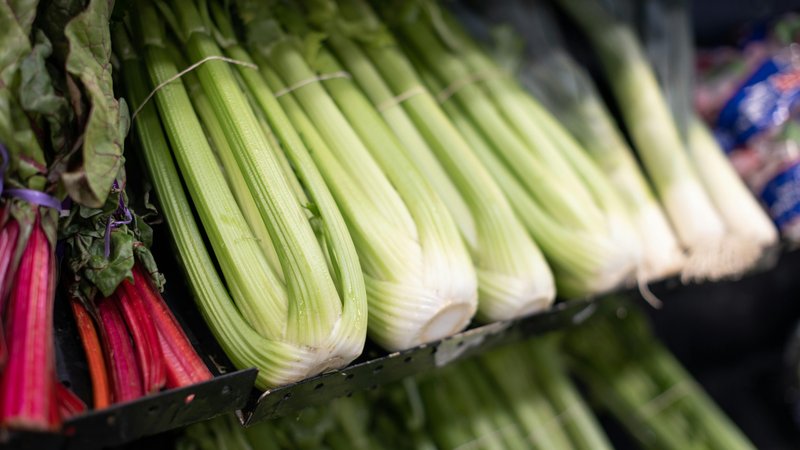
Can Dogs Eat Celery? Safety & Health Benefits
Celery is a staple in many kitchens, and it’s only natural to wonder whether your dog can share in the snack. The good news is that celery is generally safe for dogs and can even offer some impressive health perks when served correctly.
That said, there are important preparation rules and portion limits every dog owner should know before tossing a stalk to their pup. Getting those details right makes all the difference between a healthy treat and a potential hazard.
Nutritional Value and Health Benefits of Celery for Dogs
Celery is remarkably low in calories while being packed with beneficial nutrients. It contains vitamins A, C, and K, along with folate, potassium, and manganese — all of which support your dog’s immune system, bone health, and overall vitality.
Its high water content also makes it a hydrating snack, which is especially useful during warmer months. For dogs on a weight management plan, celery is an excellent guilt-free treat option.
If you enjoy exploring nutritious whole-food snacks for your dog, you might also find value in learning about the benefits of chia seeds for dogs, another surprisingly powerful addition to a balanced canine diet.
Safe Preparation Methods and Portion Guidelines by Dog Size
Always wash celery thoroughly before serving it to remove any pesticide residue or dirt. Remove the leaves, as they can contain higher concentrations of certain compounds that may upset sensitive stomachs.
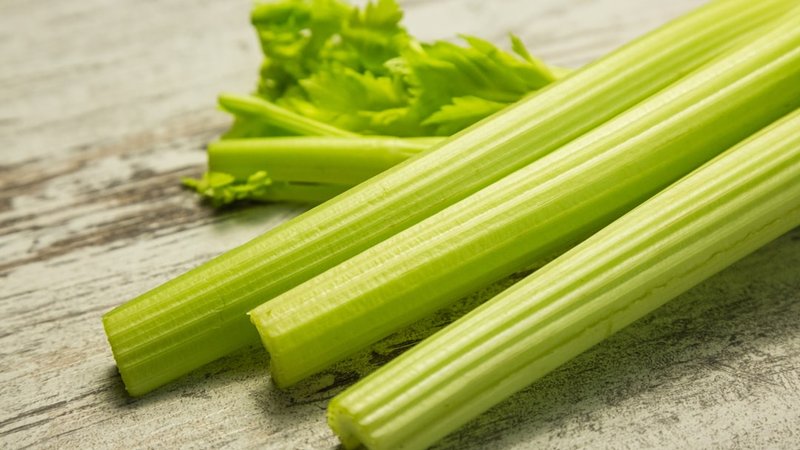
Cut celery into small, bite-sized pieces appropriate for your dog’s size. According to vet-approved serving data, maximum safe portions are: toy breeds under 10 lbs should receive no more than ½ inch total, medium dogs around 30 lbs can have 1–2 inches, and large breeds around 70 lbs can safely enjoy 2–3 inches per serving.
Celery should always be treated as an occasional treat, not a dietary staple. Treats of any kind should make up no more than 10% of your dog’s daily caloric intake.

Choking Hazards and How to Prevent Them
One of the most overlooked risks of feeding celery to dogs is the choking hazard posed by whole or long pieces. The fibrous, stringy texture of celery stalks can become tangled or lodged in the throat, particularly in smaller breeds.
Veterinary endoscopy reports show that whole celery sticks lodge in the esophagus 89% of the time — making proper cutting absolutely non-negotiable. Always slice celery into small, manageable chunks before offering it to your dog.
Never leave your dog unsupervised while eating any crunchy vegetable treat. Dogs that eat quickly or are prone to gulping their food are at especially high risk and need extra caution.
Celery’s Natural Role in Dental Health and Breath Freshness
Beyond nutrition, celery offers a surprising dental benefit. Its crunchy, fibrous texture acts like a natural scrubber, stimulating saliva production and helping to remove plaque and food particles from between teeth.
According to dental health research, vegetables like celery and carrots function similarly to natural dental floss, leaving the mouth feeling cleaner and breath noticeably fresher. This makes celery a particularly smart treat choice for dogs prone to plaque buildup.
While celery won’t replace regular brushing, it’s a helpful complement to your dog’s overall oral hygiene routine.
Potential Risks and When to Avoid Celery
Celery is considered non-toxic to dogs and is recognized as a safe food by major animal health authorities. The ASPCA’s plant safety database does not list celery among foods toxic to dogs, which is reassuring for pet owners.
However, some dogs may experience mild digestive upset, including gas or loose stools, when introduced to celery too quickly. Always introduce any new food gradually and in small amounts to monitor your dog’s individual response.
Dogs with kidney disease should be given celery with caution, as its natural diuretic properties may place added strain on already compromised kidneys. Always consult your veterinarian before introducing new foods to dogs with existing health conditions.
Celery is ultimately a wholesome, low-calorie snack that most healthy dogs can enjoy safely. Stick to the recommended portion sizes, cut it properly, and your dog can reap the nutritional and dental rewards this humble vegetable has to offer.