Can Dogs Eat Grapes? Safety Guide for Pet Owners
Grapes seem harmless enough — a sweet, healthy snack that humans enjoy every day. But for dogs, even a small amount can trigger a life-threatening reaction that no pet owner should take lightly.
Veterinarians consistently rank grapes among the most dangerous foods a dog can consume. Understanding exactly why — and what to do about it — could one day save your dog’s life.
Why Grapes Are Toxic to Dogs
Scientists have studied grape toxicity in dogs for decades, yet the exact compound responsible for the poisoning still hasn’t been identified. What is clear is that grapes, raisins, currants, and even grape juice can all cause severe kidney damage in dogs.
The toxin appears to affect the kidneys directly, disrupting their ability to filter waste from the bloodstream. This can escalate rapidly from mild discomfort to acute kidney failure within 24 to 72 hours of ingestion.
Raisins are considered even more dangerous than fresh grapes because the drying process concentrates whatever toxic substance is present. A single raisin cookie left on a coffee table represents a genuine hazard for a curious dog.
Recognizing Symptoms of Grape Poisoning
Symptoms of grape poisoning typically appear within a few hours of ingestion. Early warning signs include vomiting, diarrhea, lethargy, and loss of appetite.
As the toxin progresses toward the kidneys, dogs may show signs of abdominal pain, decreased urination, or complete inability to urinate. Tremors, weakness, and extreme thirst can also develop as kidney function deteriorates.
If you notice any of these signs after your dog has had access to grapes, treat it as a medical emergency. Time is critical when it comes to kidney damage in dogs, and delays in treatment significantly worsen the prognosis.
Dosage Thresholds and Breed Susceptibility
One of the most alarming aspects of grape toxicity is how unpredictable it is. Some dogs have eaten several grapes with no apparent ill effects, while others have experienced kidney failure after just one or two.
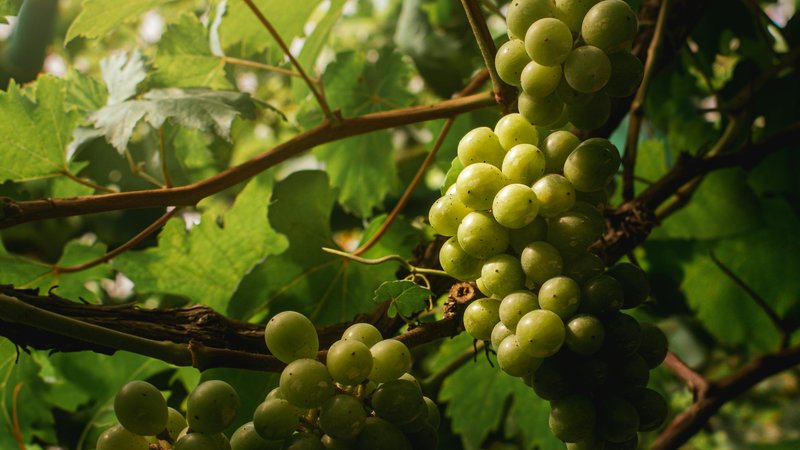
Research does offer some general thresholds. According to grape toxicity data, the toxic dose for fresh grapes is approximately 19.6 grams per kilogram of body weight, while for raisins it drops sharply to around 2.8 grams per kilogram. These numbers, however, should never be used to calculate a “safe” amount — there is no established safe dose.
Breed susceptibility also plays a role. Research published in peer-reviewed literature highlights that genetic variations in immune-related genes can influence how individual dogs respond to toxic substances, meaning some breeds may face greater risk than others.
Just as certain foods affect dogs differently based on their biology, other hazards vary by individual too — much like how cooked bones can be deadly for dogs regardless of size or breed.
Immediate Steps to Take if Your Dog Ingests Grapes
Do not wait for symptoms to appear. If you know or strongly suspect your dog has eaten any grapes or raisins, contact a veterinarian or poison control service immediately.
The ASPCA Animal Poison Control hotline is available around the clock and can provide expert guidance specific to your dog’s weight and the amount ingested. Keep this number saved in your phone before you ever need it.
A vet may induce vomiting if the ingestion was recent and your dog is stable. Activated charcoal and intravenous fluid therapy are commonly used to protect the kidneys and flush toxins from the system as quickly as possible.
Safe Treat Alternatives for Your Dog
The good news is that there are plenty of dog-safe fruits and snacks you can offer instead. Blueberries, watermelon (seedless), apple slices (without seeds), and carrots are all popular options that most dogs enjoy.
If you want to expand your dog’s diet with genuinely nutritious additions, chia seeds for dogs offer omega-3 fatty acids and fiber without any of the risks associated with toxic fruits.
Always introduce any new food gradually and in small amounts. When in doubt about whether a specific food is safe, your veterinarian is always the best first resource.
Grapes may be a staple of the human diet, but they have no place in your dog’s bowl. Keeping them firmly off the menu — along with raisins, currants, and grape-based products — is one of the simplest and most important steps you can take to protect your dog’s long-term health.