
Can Dogs Eat Papaya? Safety & Health Benefits
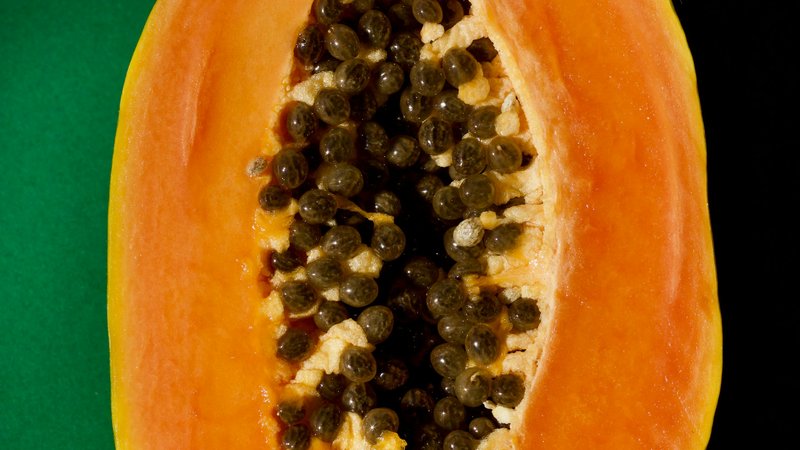
Papaya is a sweet, tropical fruit packed with vitamins and enzymes that benefit humans — but what about our dogs? Many pet owners are curious whether this colorful fruit is a safe snack or a hidden hazard for their furry companions.
The short answer is yes, dogs can eat papaya in moderation. However, there are important preparation steps and specific parts of the fruit you must avoid to keep your dog safe.
Nutritional Profile and Health Benefits of Papaya for Dogs
Papaya is a genuinely impressive fruit from a nutritional standpoint. It contains vitamin C, vitamin A, folate, potassium, and dietary fiber — all nutrients that support a dog’s overall health.
According to USDA nutritional data, raw papaya provides roughly 43 calories per 100 grams, along with meaningful amounts of calcium and magnesium. This makes it a low-calorie, nutrient-dense treat option.
The antioxidants in papaya also help combat oxidative stress. For dogs prone to inflammation or joint issues, these compounds may offer mild but genuine support over time.
Safe Preparation Methods and Portion Guidelines by Dog Size
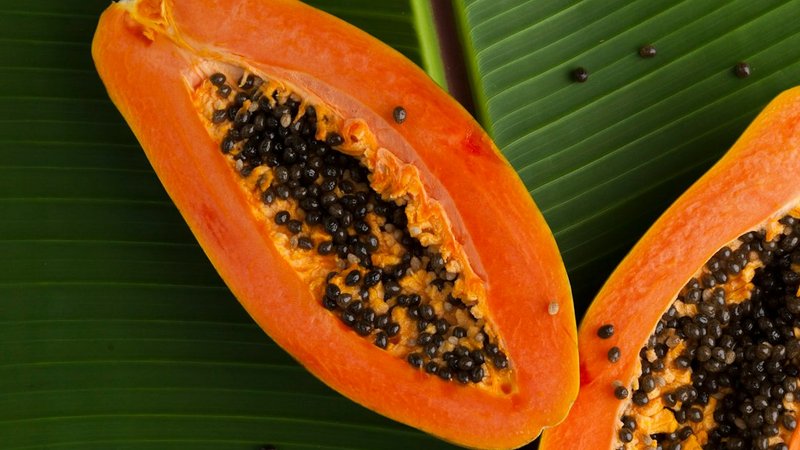
Always remove the skin and all seeds before offering papaya to your dog. The flesh should be cut into small, bite-sized cubes to prevent any choking risk.
For small dogs, one to two small cubes a few times per week is plenty. Medium and large dogs can tolerate slightly larger portions, but papaya should never exceed 10% of their daily caloric intake.
Frozen papaya chunks make an excellent warm-weather treat. Just ensure the pieces are appropriately sized for your dog’s breed before serving them frozen.
Understanding Papain Enzyme and Digestive Support Properties
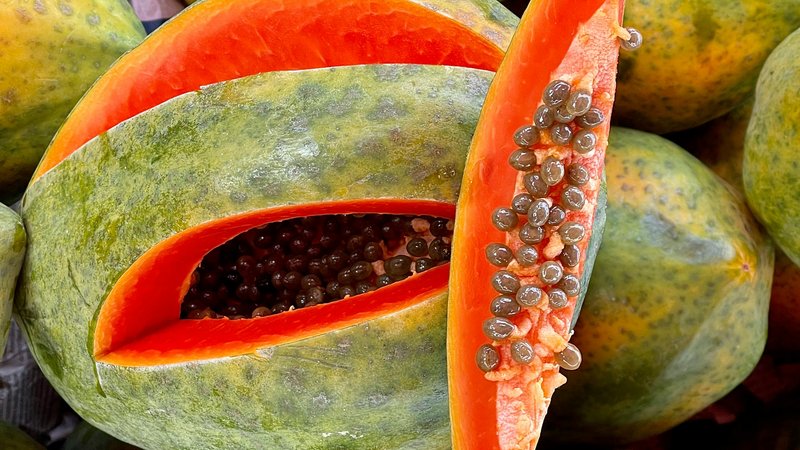
One of papaya’s most celebrated compounds is papain, a natural proteolytic enzyme found primarily in the fruit’s flesh and latex. Papain helps break down proteins in the digestive tract, which can ease digestion in sensitive dogs.
This is why papaya-derived enzymes are used in some pet supplements. As noted by Oxbow Animal Health, active plant-based enzymes like those from papaya help break down proteins in ways that standard herbal digestive formulas do not.
If your dog struggles with occasional digestive upset, small amounts of fresh papaya may offer gentle, natural relief. It’s a worthwhile addition alongside a fiber-rich diet including chia seeds for gut health support.
Papaya Seeds and Toxicity Concerns: What Pet Owners Need to Know
Papaya seeds are the most critical part to avoid. They contain trace compounds that may be harmful to dogs in larger quantities, and their hard texture poses a choking and intestinal blockage risk.
Research published in the journal Food Chemistry highlights that papaya plants contain both glucosinolates and cyanogenic compounds, particularly in the seeds and latex. Published research on papaya compounds confirms this chemical duality, which is why seeds should always be completely removed before feeding.
The papaya skin should also be discarded. It is difficult for dogs to digest and may cause gastrointestinal irritation or upset in some animals.
Age-Specific Considerations: Puppies, Adult Dogs, and Senior Dogs
A dog’s life stage plays a significant role in how their digestive system handles new foods. Puppies have more sensitive stomachs and should only receive the tiniest amounts of papaya as an occasional introduction.
Senior dogs may actually benefit most from papaya’s digestive enzymes, as aging dogs often experience slower gut motility. Keep in mind that senior status varies by size — small breeds may not reach their senior years until age 8–10, while large breeds can be considered senior as early as 6–7 years old.
Adult dogs in good health can enjoy papaya most freely, provided portions remain controlled and the fruit is properly prepared every time.
When to Avoid Papaya and Potential Health Risks
Dogs with diabetes or blood sugar regulation issues should avoid papaya due to its natural sugar content. Even though it is a whole fruit, the sugars can cause unwanted glucose spikes in metabolically sensitive dogs.
Dogs with known latex allergies should also avoid papaya entirely. The fruit’s latex contains compounds that may trigger allergic reactions in sensitive individuals.
Overfeeding papaya — even in healthy dogs — can lead to loose stools or diarrhea due to its high fiber and water content. Always introduce it slowly and monitor your dog’s response before making it a regular treat.
When in doubt, speak with your veterinarian before adding any new food to your dog’s diet. A professional can help you tailor treat choices to your dog’s specific health needs and life stage.